


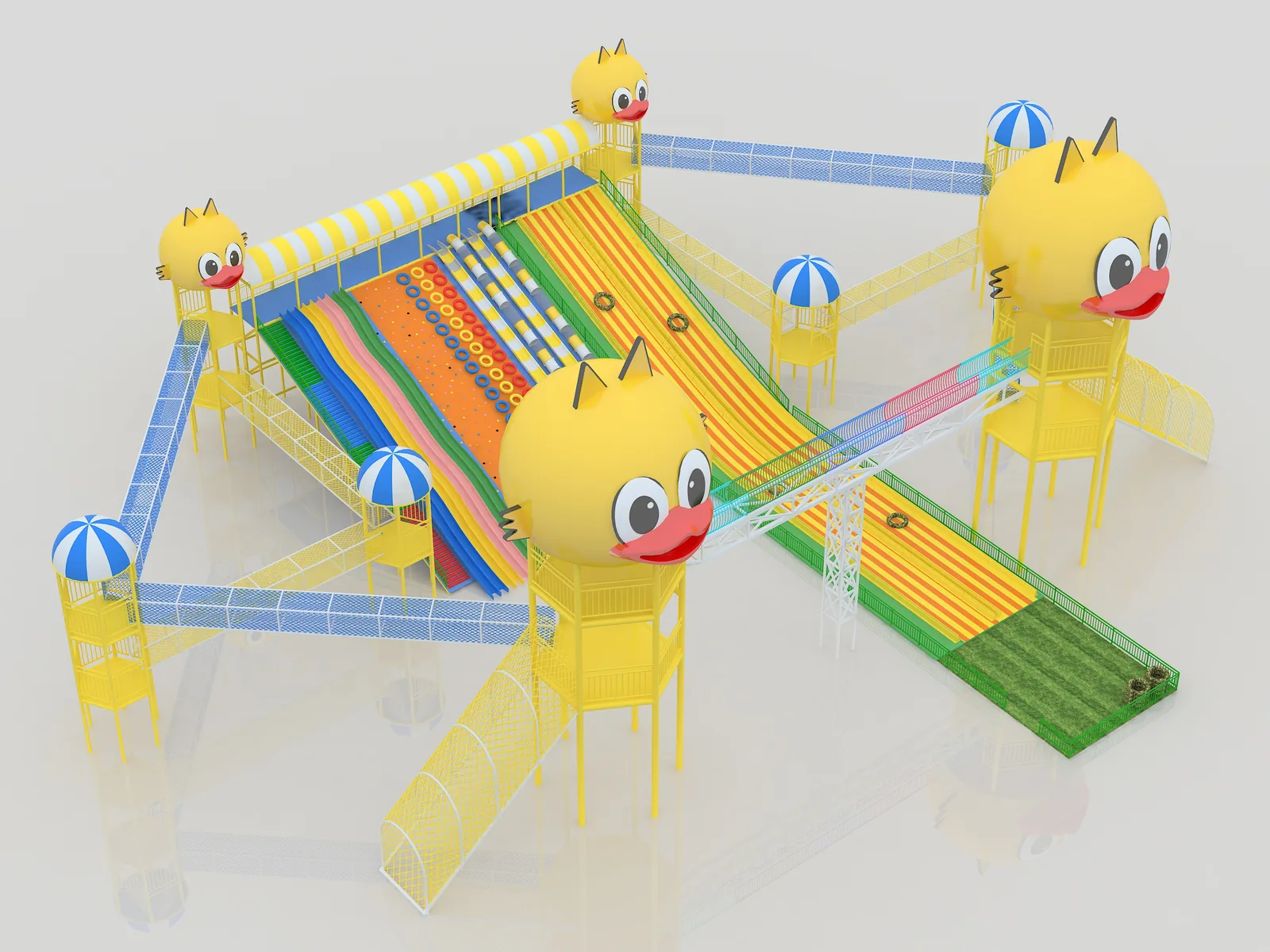
A community project has several stakeholders, each using a different drawing revision during review—keep the outcome tied to JPC-0306 with JPC-0306 kept visible. In a supplier-ready project brief: the product conversation becomes more useful when the team names Yellow Duck Multi-Lane Challenge, records JPC-0306, and asks how the concept relates to the actual family entertainment venue; preserve the source boundary for Yellow Duck Multi-Lane Challenge.
JPC-0306 in context: First Reading from concept review to a dated decision
For a family entertainment venue, Yellow Duck Multi-Lane Challenge can anchor an early concept discussion, but it is not a finished specification; while installation access remains an open point, keep the outcome tied to JPC-0306. Update the drawing and decision log together; during the family entertainment venue review, Dimensions, materials, limits, utilities, installation details, and local requirements still need written confirmation for the selected version.
Questioning Yellow Duck Multi-Lane Challenge through the family entertainment venue plan and evidence boundary from concept review to a dated decision
When the family entertainment venue plan is marked up, consider the space immediately outside the proposed equipment boundary; show who owns the next question about installation access. During the family entertainment venue review, the interactive playground concept proposal can then respond to the same installation access evidence instead of a different assumption; return any change to the measured plan.
Retain the dated response with JPC-0306; during the family entertainment venue review, the evidence boundary is deliberate. For design and operations leads: a responsible review distinguishes what can be observed or named from what must be documented before procurement or public use; give later reviewers a clear audit trail.
Installation Access Review and Decision Trail—With the operating day in view for Yellow Duck Multi-Lane Challenge
Return any change to the measured plan when responsibilities are assigned; a practical review of Yellow Duck Multi-Lane Challenge asks what improves when the team handles installation access well, and what remains unresolved when it does not. Keep the handover owner visible; during a measured-site walk-through, Yellow Duck Multi-Lane Challenge is the product reference; the family entertainment venue brief must explain who confirms the condition, who approves it, and which document records the decision.
Before any project value is treated as settled: use a short question register beside the plan; treat Yellow Duck Multi-Lane Challenge as a reference, not a specification. The plan, quotation, responsibility matrix, and handover list should all point to the same current answer—compare versions rather than titles alone before quotations are compared.
Visual Brief—Before quotations are compared for Yellow Duck Multi-Lane Challenge
A strong visual concept should still belong to its venue; in the dated source record, give later reviewers a clear audit trail.
Supplier Scope and Question Register for Yellow Duck Multi-Lane Challenge: Without guessing at specifications
A price-only comparison hides scope differences—identify which document controls the answer with JPC-0306 kept visible. Test the conclusion against the actual family entertainment venue for the team reviewing Yellow Duck Multi-Lane Challenge; Require the supplier response to connect the pictured concept to the measured venue, selected configuration, included scope, and list of confirmation items.
- With unresolved points left visible, when responsibilities are assigned, how should adjacent circulation, waiting, viewing, cleaning, storage, and service space be shown on the layout?
- While the configuration is still open to review, for the team reviewing Yellow Duck Multi-Lane Challenge, which user, operator, inspection, cleaning, maintenance, or emergency information will be supplied for this configuration?
- Before quotations are compared—with local review responsibilities identified—how are revisions identified when a layout, option, component, or scope boundary changes?
- For the team reviewing Yellow Duck Multi-Lane Challenge—without inferring a value from the image—what should be photographed, measured, or confirmed during a site review before production decisions?
- While the configuration is still open to review, at the next revision check, what work belongs to the supplier, buyer, venue, installer, and local professional team?
- At the first project briefing, before any assumption enters the handover file, which statements in the current proposal are confirmed facts and which are assumptions awaiting review?
Testing Yellow Duck Multi-Lane Challenge through the handover record and source trail while alternatives stay on separate records
A normal operating day can expose issues a product image cannot—leave unsupported values blank when the current drawing is circulated. Show who owns the next question about installation access from the future operator’s perspective; Collect configuration-specific instructions, training records, inspection information, contact routes, and open items, then connect each document to the staff task it supports—including installation access.
Before the shortlist narrows: use Interactive Play 019 (Yellow Duck Multi-Lane Challenge) as the first source in the decision log; show the assumption instead of hiding it. While installation access remains an open point, Related ideas in interactive playground equipment need their own links, questions, and revision trail; write missing evidence as a question.
Frequently asked questions
For design and operations leads, while installation access is still being tested, why keep a revision log for a single product?
Write missing evidence as a question; for design and operations leads, options and site decisions can change drawings, scope, access, appearance, or operations. Before any project value is treated as settled: a revision log helps commercial, design, installation, and operations teams work from the same version; keep image observations apart from technical claims.
With unresolved points left visible, for design and operations leads, what happens if the site changes after quotation?
Update the site record, tell the supplier, and request a marked revision that explains any effect on configuration, scope, access, interfaces, program, and operations—identify which document controls the answer in the same brief used for every option.
When the family entertainment venue plan is marked up, using dated project evidence, when should operations staff join the project?
As the family entertainment venue evidence is updated, before the configuration is fixed; test the conclusion against the actual family entertainment venue. Let local reviewers address the real site; as the project moves toward selection, their input on circulation, observation, housekeeping, storage, access, records, and handover can reveal needs that are difficult to correct later.
JPC-0306 in context: Next Inquiry while alternatives stay on separate records
Let local reviewers address the real site at the first project briefing; when the team is ready to discuss Yellow Duck Multi-Lane Challenge, send JPC-0306 together with the base brief everyone has reviewed.





