


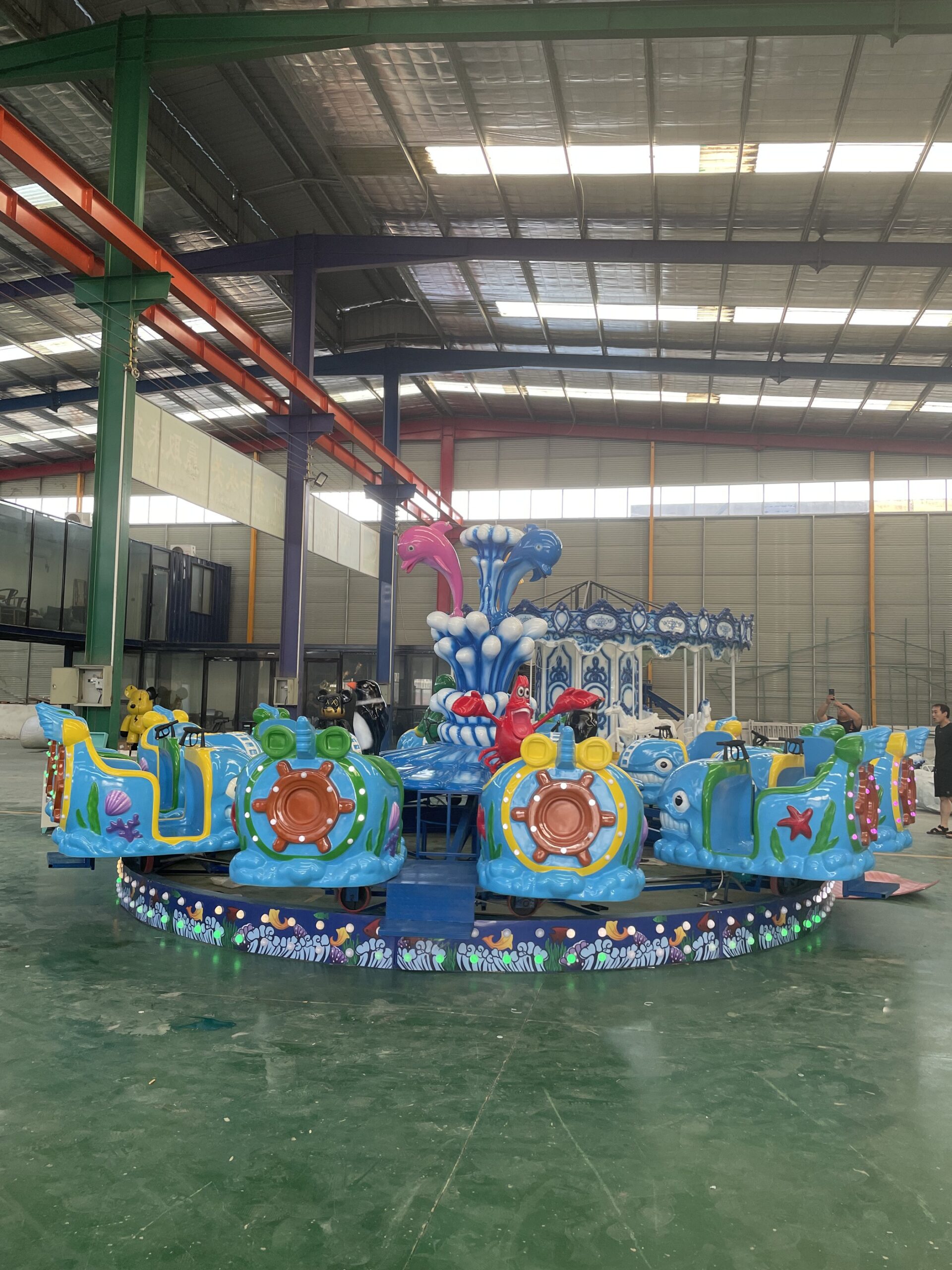
From the future operator’s perspective, a useful buyer's guide begins where the project team is actually making decisions; treat Undersea Agent as a reference, not a specification. Keep the conclusion provisional until the right owner accepts it for the team reviewing Undersea Agent; an operator plans a future phase and needs the first installation to leave a sensible path for later work. Keep the handover owner visible; when the scenic destination plan is marked up, In that setting, Undersea Agent (JPC-0261) is the subject of the review, while the scenic destination defines what still needs to be resolved.
First Reading and Decision Trail for Undersea Agent: With the next reviewer in mind
For a buyer tracing assumptions, For a scenic destination, Undersea Agent can anchor an early concept discussion, but it is not a finished specification; show who owns the next question about site interfaces. While site interfaces remains an open point: Match it to the measured scenic destination, then resolve site interfaces, access, interfaces, responsibilities, and handover records with the supplier and the professionals responsible for the real site; write missing evidence as a question.
Before a rendering becomes a decision, a one-page decision log can prevent expensive misunderstandings; keep the conclusion provisional until the right owner accepts it. For a reviewer joining the project later, the team can then record exceptions openly instead of rewarding the proposal that simply leaves the most questions unstated; cite the scenic destination revision beside the conclusion.
Checking Undersea Agent through the evidence boundary beside the current question log
For the team reviewing Undersea Agent: Undersea Agent is the exact catalog subject of this page, tracked as JPC-0261 in Amusement Park Equipment; link the decision back to site evidence. When responsibilities are assigned: Wherever the project needs a number, limit, material, or approval statement, treat it as an open question until a dated supplier document answers it; keep image observations apart from technical claims.
JPC-0261 in context: Site Interfaces Review and Scenic Destination Plan against the measured scenic destination record
Imagine the scenic destination on an ordinary operating day and note every moment connected to site interfaces; for design and operations leads, let local reviewers address the real site. With JPC-0261 kept visible: a short, explicit record is more useful than a confident assumption hidden in a rendering; separate buyer and supplier responsibilities in writing.
Test the concept during both a quiet hour and a realistic busy period—compare versions rather than titles alone from the future operator’s perspective. Before a rendering becomes a decision, From loading point to the scenic destination, note gates, turns, lifts, doors, public areas, working hours, and storage options; identify which document controls the answer.
Undersea Agent and the visual brief: Before a drawing is treated as final
Compare versions rather than titles alone in the question register for site interfaces; use the product image as a visual brief, not a technical document.
Reading the supplier scope and question register around Undersea Agent with site assumptions called out
Compare like with like by freezing a review date and base brief; from the future operator’s perspective, show the assumption instead of hiding it. Compare versions rather than titles alone in a supplier-ready project brief; ask each response to separate included work, optional work, buyer responsibilities, venue responsibilities, exclusions, and documents supplied for review.
- Without inferring a value from the image, for the team reviewing Undersea Agent, what exact product name, catalog reference, configuration, and drawing revision does the offer cover?
- With the returned answer linked to JPC-0261, before the shortlist narrows, which dimensions, clearances, boundaries, and access conditions apply to the selected version?
- At the next revision check—before the site interfaces item is closed—how are revisions identified when a layout, option, component, or scope boundary changes?
- For a buyer tracing assumptions, before any assumption enters the handover file, how should adjacent circulation, waiting, viewing, cleaning, storage, and service space be shown on the layout?
- Before a rendering becomes a decision—with buyer and supplier work shown separately—what site preparation, foundation or fixing interfaces, utilities, and environmental conditions must the venue provide?
Handover Record for Undersea Agent: While site interfaces remains open
The final pre-opening review should distinguish completed work, accepted documents, staff actions, and unresolved items; when the current drawing is circulated, preserve the source boundary for Undersea Agent. Write missing evidence as a question when the scenic destination plan is marked up; review visitor movement, accompanying adults, staff positions, housekeeping windows, access to nearby functions, and what happens when an area needs attention.
Revisiting Undersea Agent through the source trail and category comparison with the source boundary intact
Leave unsupported values blank; before the shortlist narrows, start the next supplier email from Amusement Ride 040 (Undersea Agent). Keep notes from commercial amusement park equipment outside the product record until the supplier confirms which option they describe; while site interfaces remains an open point, keep image observations apart from technical claims.
A clean source trail makes the category useful without creating ambiguity; from the future operator’s perspective, keep alternative products on separate lines.
Frequently asked questions
Using dated project evidence, for a reviewer joining the project later, what should the first inquiry include?
Keep the conclusion provisional until the right owner accepts it in the question register for site interfaces; send the exact product reference, a measured plan, clear site photographs, venue type, intended operation, access constraints, known interfaces, preferred timing, and a numbered list of questions.
Before the site interfaces item is closed, for a buyer tracing assumptions, what belongs in a useful handover file?
For a reviewer joining the project later, include the accepted configuration record, current drawings, supplier instructions, training and inspection information, responsibility notes, escalation contacts, and a list of open or later actions; attach the response to the exact JPC-0261 record.
With buyer and supplier work shown separately, during a measured-site walk-through, is this article the product specification?
For a buyer tracing assumptions, no: it is an editorial planning guide tied to one catalog product; cite the scenic destination revision beside the conclusion. Use the supplier's current quotation, drawings, schedules, instructions, and the reviews applicable to the actual site as the controlled project information—write missing evidence as a question for the team reviewing Undersea Agent.
Reviewing Undersea Agent through the next inquiry from catalog view to controlled record
Link the decision back to site evidence before the shortlist narrows; send Joy Playgrounds JPC-0261, the measured site information, clear context photographs, access notes, intended operating pattern, and the unresolved questions about site interfaces.





