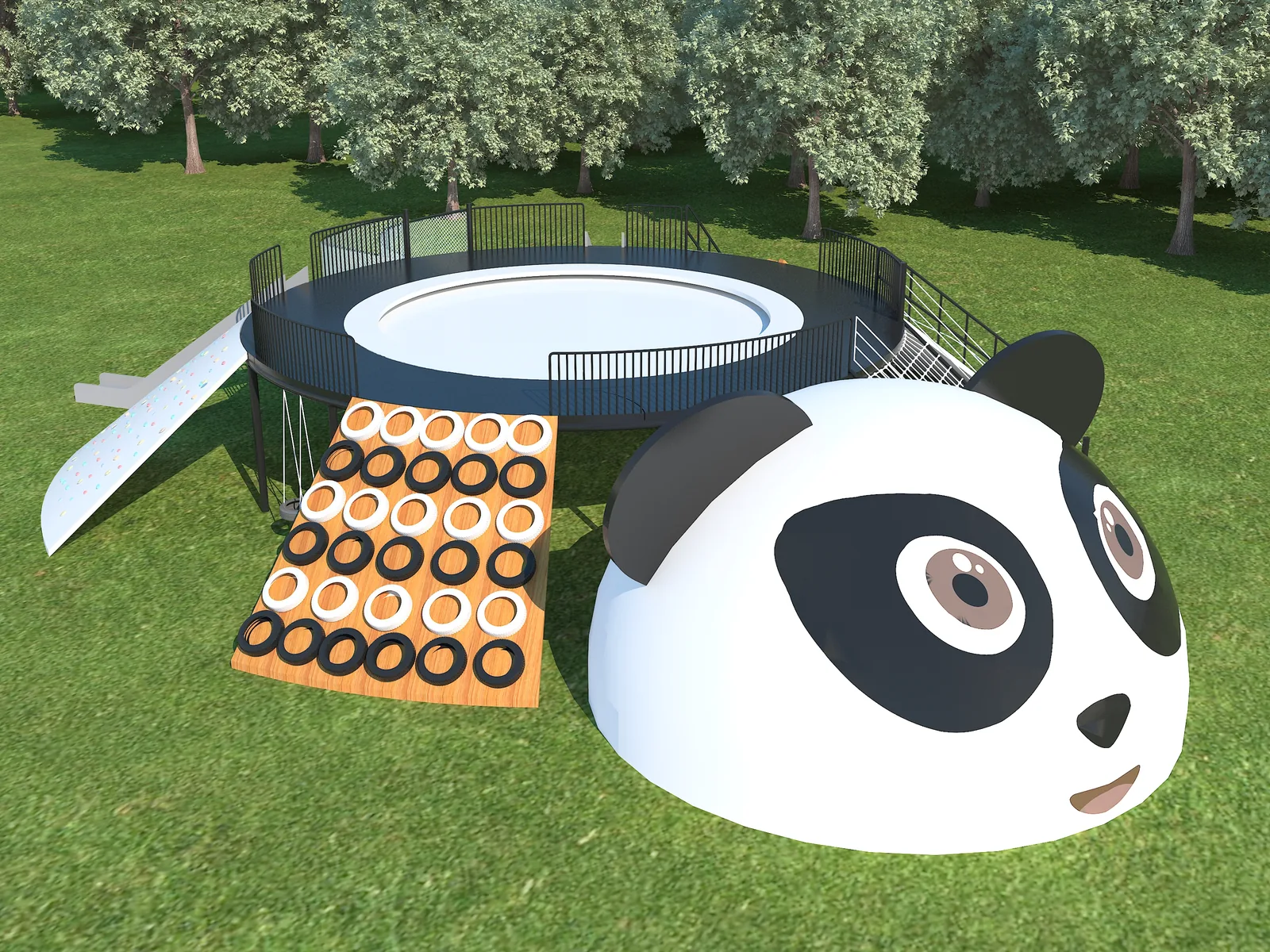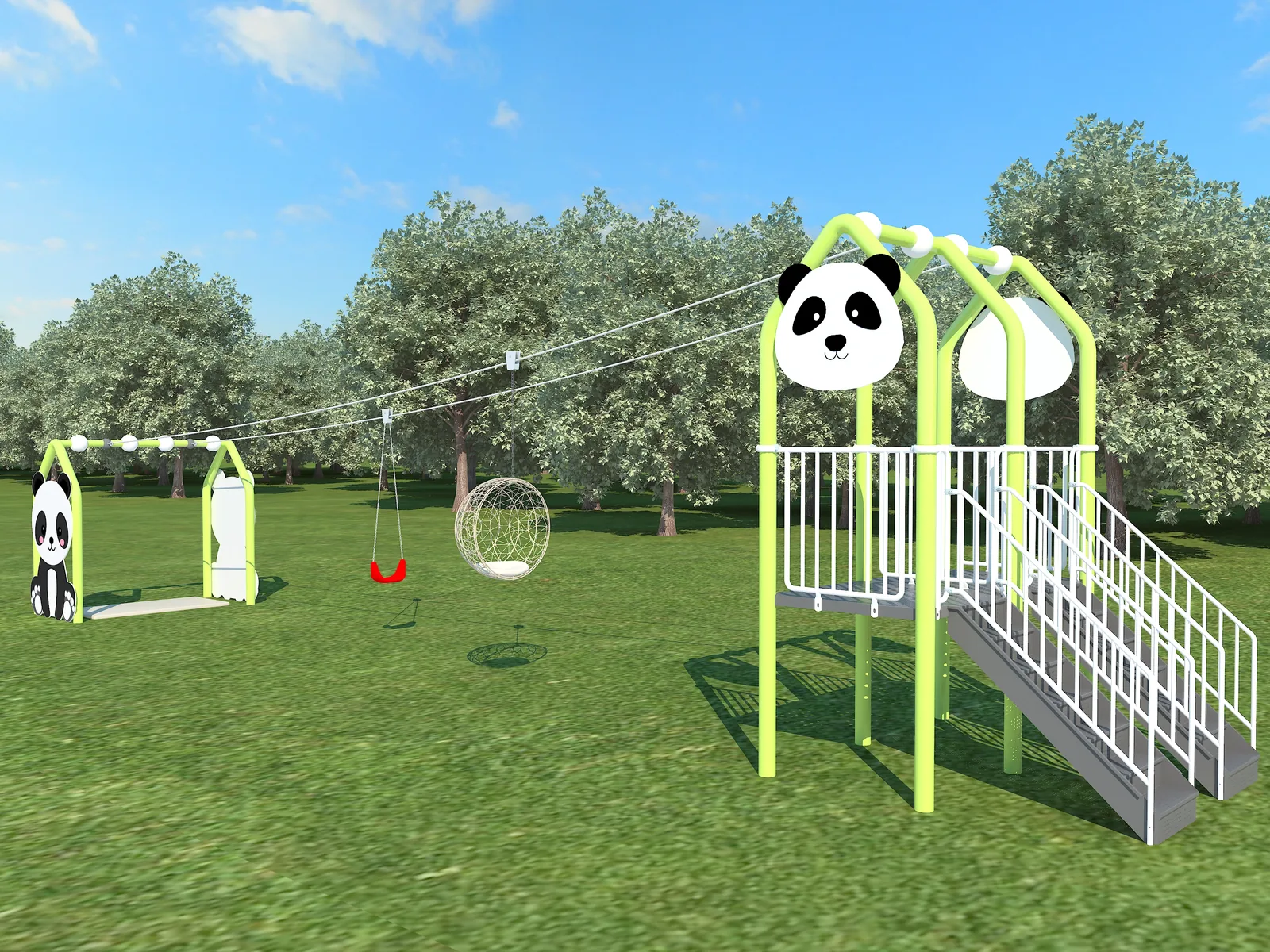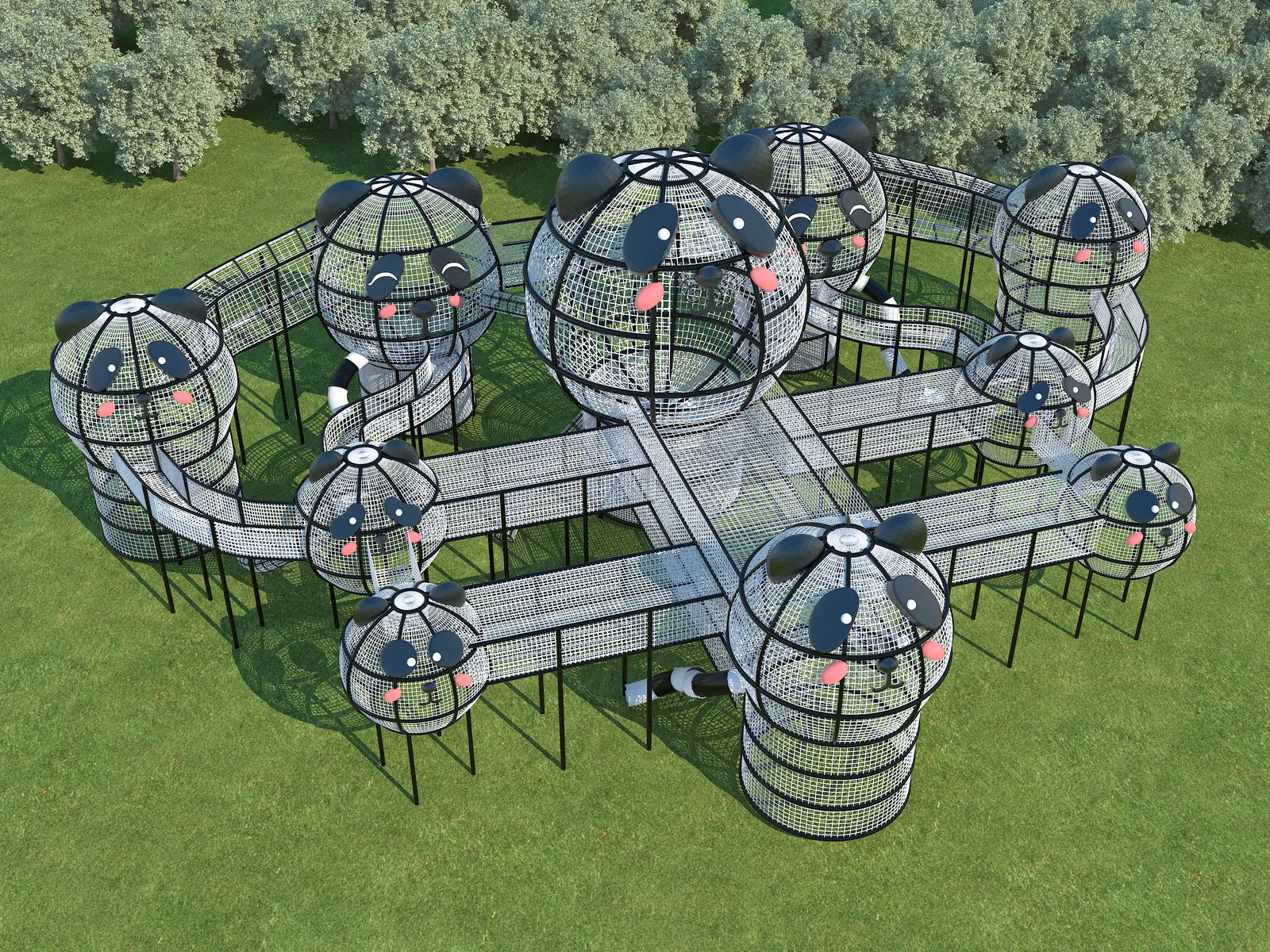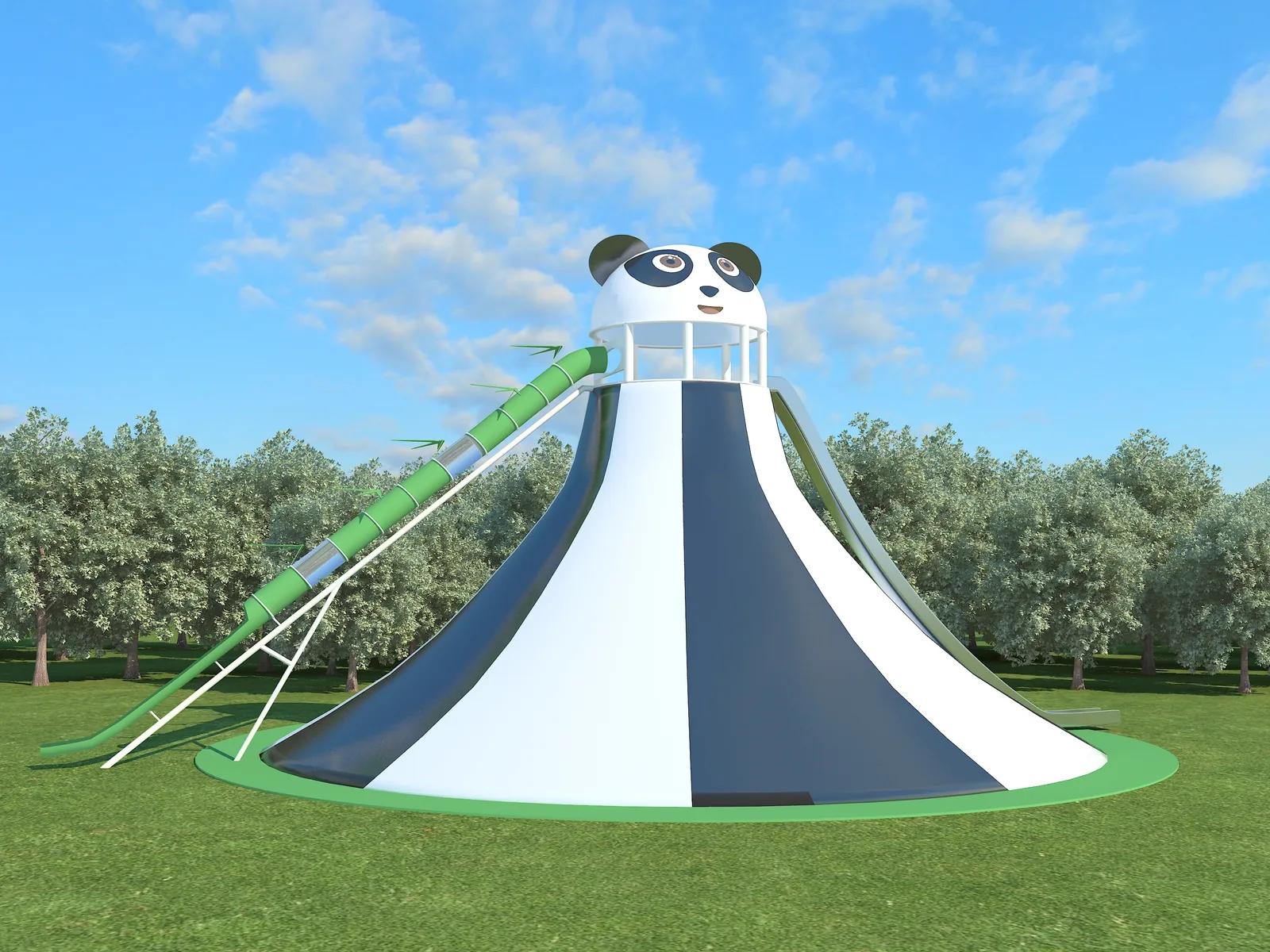


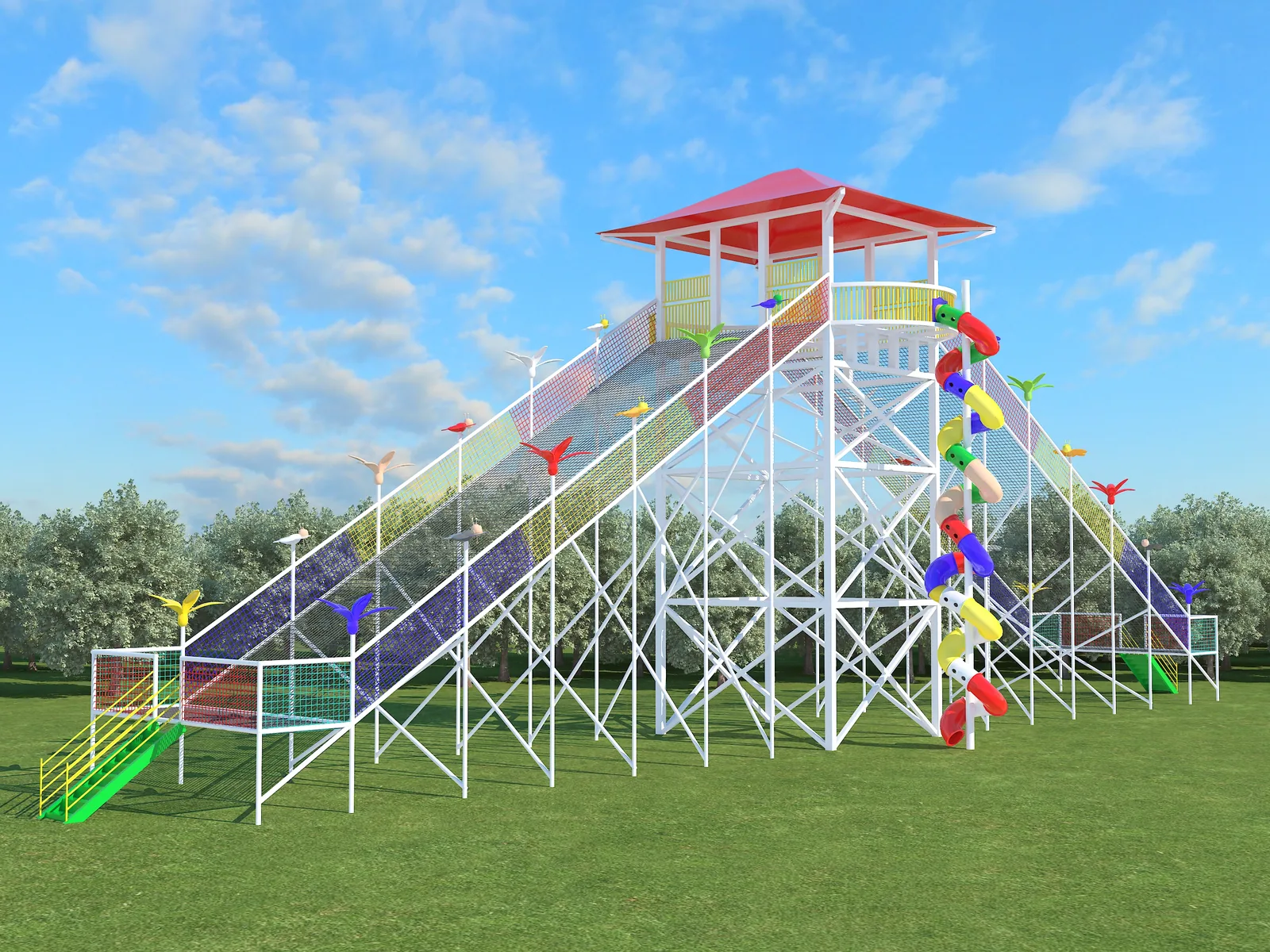
For a reviewer joining the project later: consider a normal project meeting: A small site has enough floor area on paper, but doors, boundaries, and waiting space reduce what is genuinely usable; separate buyer and supplier responsibilities in writing. During a measured-site walk-through, the team can use Summit Climbing Challenge Variant and reference JPC-0332 to keep the discussion specific while it works through the realities of the community activity zone; separate buyer and supplier responsibilities in writing.
JPC-0332 in context: First Reading with the source boundary intact
A buyer can shortlist Summit Climbing Challenge Variant for a community activity zone by testing the concept against circulation, adjacent uses, staff tasks, and site measurement—carry the unanswered point into the question log at the handoff from design to operations. Let local reviewers address the real site; during a measured-site walk-through, Dimensions, materials, limits, utilities, installation details, and local requirements still need written confirmation for the selected version.
Checking Summit Climbing Challenge Variant through the community activity zone plan and evidence boundary at the current project revision
Show who owns the next question about site measurement for a reviewer joining the project later; a floor-area figure alone cannot establish fit. Keep the conclusion provisional until the right owner accepts it in a supplier-ready project brief; Number each photograph, key it to the community activity zone plan, and list unresolved conditions.
The evidence boundary is deliberate—give later reviewers a clear audit trail with JPC-0332 kept visible. When the current drawing is circulated: the signed project package remains the controlling source; update the drawing and decision log together.
Summit Climbing Challenge Variant and the site measurement review and decision trail: At the current project revision
Keep image observations apart from technical claims; with JPC-0332 kept visible, treat site measurement as a shared task between design, commercial, and operations teams. Write missing evidence as a question during the community activity zone review; ask what applies to the chosen Summit Climbing Challenge Variant configuration, record the answer with its source, and have the appropriate community activity zone professionals review the site implications.
Separate buyer and supplier responsibilities in writing; for a buyer tracing assumptions, keep the commercial brief and the site drawing synchronized. Ask the supplier to respond against the same source; when responsibilities are assigned, the plan, quotation, responsibility matrix, and handover list should all point to the same current answer.
JPC-0332 in context: Visual Brief for a traceable buyer’s brief
With an ordinary operating day in mind: treat visual selection as its own documented decision; keep the outcome tied to JPC-0332.
Supplier Scope and Question Register for Summit Climbing Challenge Variant: Without guessing at specifications
Carry the unanswered point into the question log when responsibilities are assigned; send every shortlisted supplier the same plan, photographs, intended use, access record, schedule, and question list. Return any change to the measured plan; as the project moves toward selection, a clear revision trail makes later handover and troubleshooting much easier.
- Against the measured community activity zone record, at the first project briefing, what work belongs to the supplier, buyer, venue, installer, and local professional team?
- At the first project briefing—with each option assigned its own revision—how will the product be divided, packed, delivered, moved through the site, assembled, and handed over?
- While site measurement is still being tested, with an ordinary operating day in mind, which options change the appearance, footprint, access, program, documentation, or operating plan?
- With JPC-0332 as the product key, at the handoff from design to operations, which user, operator, inspection, cleaning, maintenance, or emergency information will be supplied for this configuration?
- As the community activity zone evidence is updated—at the current drawing revision—which dimensions, clearances, boundaries, and access conditions apply to the selected version?
- During a measured-site walk-through, with Summit Climbing Challenge Variant kept separate from alternatives, what local review or approval inputs are expected from the buyer's project team?
Tracing the handover record and source trail around Summit Climbing Challenge Variant from concept review to a dated decision
Future changes deserve the same discipline as the first installation—return any change to the measured plan while site measurement remains an open point. Review visitor movement, accompanying adults, staff positions, housekeeping windows, access to nearby functions, and what happens when an area needs attention; during the community activity zone review, compare versions rather than titles alone.
Return to Interactive Play 045 (Summit Climbing Challenge Variant) whenever a quotation changes hands—carry the unanswered point into the question log for design and operations leads. Keep image observations apart from technical claims during a measured-site walk-through; when interactive playground equipment reveals another direction, open a new comparison row rather than rewriting this one.
Frequently asked questions
On the JPC-0332 working file—without inferring a value from the image—is this article the product specification?
Connect commercial language to the marked plan; when the current drawing is circulated, no: it is an editorial planning guide tied to one catalog product. Show the assumption instead of hiding it; before any project value is treated as settled, use the supplier's current quotation, drawings, schedules, instructions, and the reviews applicable to the actual site as the controlled project information.
Before the site measurement item is closed, in a supplier-ready project brief, does customization remove the need for site measurement?
No: customization makes accurate site information more important; in the dated source record, identify which document controls the answer. On the JPC-0332 working file: the supplier needs a reliable base record to explain how the proposed version responds to constraints and interfaces; show the assumption instead of hiding it.
Next Inquiry for Summit Climbing Challenge Variant: While alternatives stay on separate records
Invite the supplier to correct the brief as well as answer it; for design and operations leads, keep image observations apart from technical claims.