


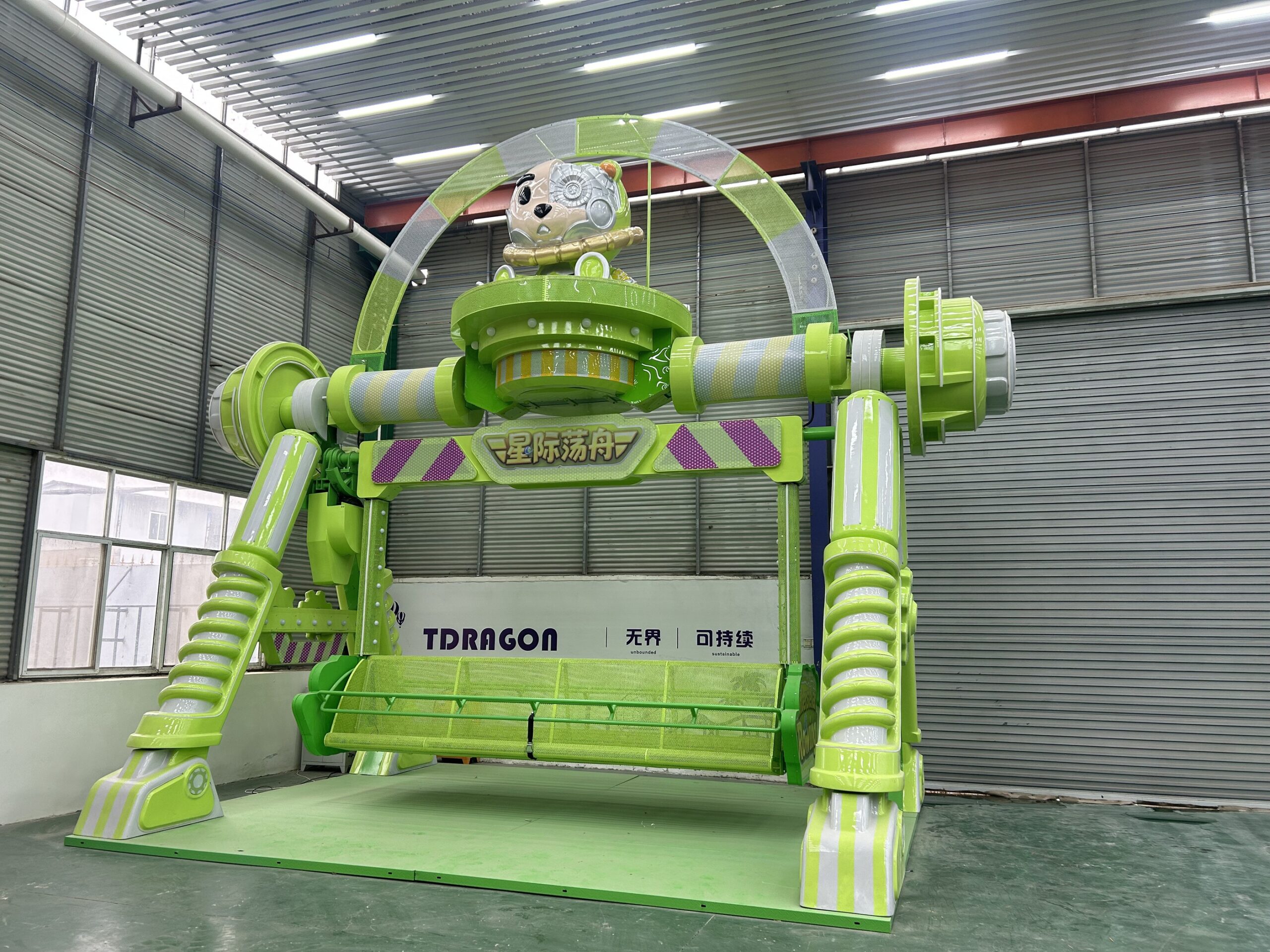
Keep the outcome tied to JPC-0260 with JPC-0260 kept visible; an operator plans a future phase and needs the first installation to leave a sensible path for later work. When the waterfront leisure site plan is marked up, a disciplined review of Star Swing Boat therefore starts with two records—the exact product identity JPC-0260 and the current information for the waterfront leisure site; cite the waterfront leisure site revision beside the conclusion. Neither should be replaced by a generic assumption—keep the outcome tied to JPC-0260 in the dated source record.
Anchoring the decision trail and evidence boundary around Star Swing Boat at the handoff to the venue team
Use a short question register beside the plan—link the decision back to site evidence in the question register for venue fit. Highlight every assumption connected to venue fit; do not let a confident rendering quietly turn an open question into a project fact—ask the supplier to respond against the same source at the next revision check.
When responsibilities are assigned, Star Swing Boat is the exact catalog subject of this page, tracked as JPC-0260 in Amusement Park Equipment; carry the unanswered point into the question log. Any descriptive phrase is a way to organize the inquiry, not a promise about the supplied version—compare versions rather than titles alone during the waterfront leisure site review.
Supplier Scope and Question Register—For a measured-site conversation for Star Swing Boat
Keep the conclusion provisional until the right owner accepts it; at the first project briefing, treat every attractive rendering as a proposal, not evidence that the site has been checked. Show the assumption instead of hiding it during a measured-site walk-through; Require the supplier response to connect the pictured concept to the measured venue, selected configuration, included scope, and list of confirmation items.
- When the waterfront leisure site plan is marked up—with the returned answer linked to JPC-0260—what ongoing supplier contact route is available for configuration questions and replacement-part inquiries?
- Before the shortlist becomes an order, at the handoff from design to operations, which user, operator, inspection, cleaning, maintenance, or emergency information will be supplied for this configuration?
- For the actual waterfront leisure site operating day, at the first project briefing, what local review or approval inputs are expected from the buyer's project team?
- Using the same brief issued to every supplier, in the question register for venue fit, which dimensions, clearances, boundaries, and access conditions apply to the selected version?
- At the current drawing revision, when responsibilities are assigned, what site preparation, foundation or fixing interfaces, utilities, and environmental conditions must the venue provide?
Mapping Star Swing Boat through the waterfront leisure site plan with the next reviewer in mind
Begin with one measured base plan for the waterfront leisure site—write missing evidence as a question when the current drawing is circulated. Return any change to the measured plan from the future operator’s perspective; For the waterfront leisure site, map waiting, viewing, staff movement, housekeeping, and access to nearby uses.
Visual Brief and Venue Fit Review—Before the shortlist narrows for Star Swing Boat
Treat Star Swing Boat as a reference, not a specification; when the waterfront leisure site plan is marked up, put the catalog image beside a current site photograph and a marked plan.
Bring the people who will operate the waterfront leisure site into the review of Star Swing Boat—let local reviewers address the real site before a rendering becomes a decision. Keep the handover owner visible as the waterfront leisure site evidence is updated; review Star Swing Boat against that criterion, record exceptions, and ask the supplier to show relevant interfaces on the current waterfront leisure site drawing.
Handover Record and Category Comparison—Before a drawing is treated as final for Star Swing Boat
Invite the future operations team to rehearse opening, routine observation, cleaning, closing, and escalation around the proposed amusement attraction concept—separate buyer and supplier responsibilities in writing with an ordinary operating day in mind. For a reviewer joining the project later: Collect configuration-specific instructions, training records, inspection information, contact routes, and open items, then connect each document to the staff task it supports—including venue fit; cite the waterfront leisure site revision beside the conclusion.
Treat Star Swing Boat as a reference, not a specification; from the future operator’s perspective, Category browsing is useful for alternatives, but the decision trail should always return to JPC-0260.
Anchoring Star Swing Boat through the source trail at the handoff to the venue team
Make the next step legible to operations when responsibilities are assigned; Trace the inquiry back to Amusement Ride 039 (Star Swing Boat) before closing an item. When the current drawing is circulated: Related ideas in commercial amusement park equipment need their own links, questions, and revision trail; leave unsupported values blank.
Frequently asked questions
As the waterfront leisure site evidence is updated—for the actual waterfront leisure site operating day—can a catalog image confirm dimensions or capacity?
Separate buyer and supplier responsibilities in writing; for the team reviewing Star Swing Boat, no: an image may help discuss appearance and placement, but it cannot establish a scale, clearance, user limit, or configuration. As the project moves toward selection: ask for a dimensioned proposal for the measured site; keep the outcome tied to JPC-0260.
When the waterfront leisure site plan is marked up, before the shortlist becomes an order, does customization remove the need for site measurement?
No: customization makes accurate site information more important; in the same brief used for every option, keep alternative products on separate lines. Compare versions rather than titles alone; as the project moves toward selection, the supplier needs a reliable base record to explain how the proposed version responds to constraints and interfaces.
In a supplier-ready project brief—before the venue fit item is closed—how should two supplier quotations be compared?
Show the assumption instead of hiding it; for a buyer tracing assumptions, Issue the same base brief to both suppliers, then compare configuration, revision, inclusions, exclusions, interfaces, responsibilities, documents, options, and unresolved questions—not price alone.
JPC-0260 in context: Next Inquiry before handover questions are deferred
Cite the waterfront leisure site revision beside the conclusion; on the JPC-0260 working file, Turn this research into a numbered inquiry.





