


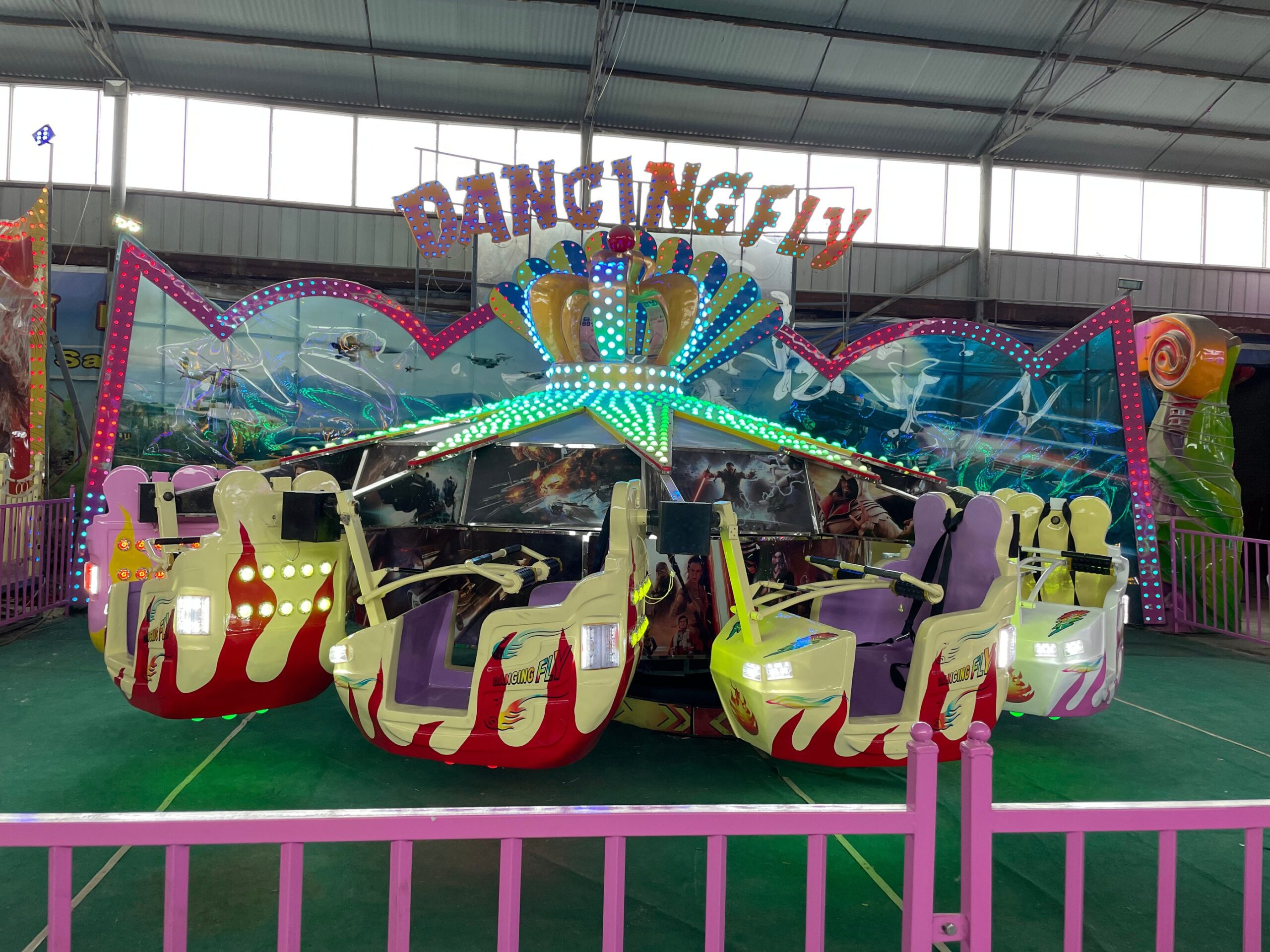
Show the assumption instead of hiding it; in the dated source record, Two generations arrive together, pause in different places, and expect the activity to feel connected to the rest of the venue. Update the drawing and decision log together; before any project value is treated as settled, this planning moment explains why Spinning Flight needs more than a visual shortlist. Ask the supplier to respond against the same source at the first project briefing; keep JPC-0290 attached to every drawing, question, and supplier response for the family amusement park.
JPC-0290 in context: Decision Trail and Evidence Boundary before the shortlist narrows
Preserve the source boundary for Spinning Flight; before any project value is treated as settled, write the unresolved queue and waiting flow questions in plain language and keep the answers beside the exact product reference. Number the items related to queue and waiting flow, attach each response to its source document, and close them only when the appropriate project owner accepts the answer—give later reviewers a clear audit trail for design and operations leads.
In the question register for queue and waiting flow: the controlled facts used here are narrow: the catalog title is “Spinning Flight,” the category is Amusement Park Equipment, and the catalog reference is JPC-0290; retain the dated response with JPC-0290. Retain the dated response with JPC-0290 for design and operations leads; the article intentionally leaves unverified specifications blank.
Spinning Flight and the supplier scope and question register: Before the shortlist narrows
A price-only comparison hides scope differences; in the dated source record, carry the unanswered point into the question log. Cite the family amusement park revision beside the conclusion; from the future operator’s perspective, record the answers before using the proposal as the basis for other design work.
- At the next revision check, before commercial and technical notes are combined, how should adjacent circulation, waiting, viewing, cleaning, storage, and service space be shown on the layout?
- From the future operator’s perspective—before the queue and waiting flow item is closed—how will the product be divided, packed, delivered, moved through the site, assembled, and handed over?
- Without inferring a value from the image, for the team reviewing Spinning Flight, what information does the supplier still need before it can issue a site-specific response?
- Using the current product link and source record, with JPC-0290 kept visible, what should be photographed, measured, or confirmed during a site review before production decisions?
- Before any project value is treated as settled, with local review responsibilities identified, what exact product name, catalog reference, configuration, and drawing revision does the offer cover?
- When responsibilities are assigned—before any assumption enters the handover file—which options change the appearance, footprint, access, program, documentation, or operating plan?
Connecting Spinning Flight through the family amusement park plan at the handoff to the venue team
In a supplier-ready project brief: begin with one measured base plan for the family amusement park; show who owns the next question about queue and waiting flow. Showing them on the same plan reveals the layout implications of queue and waiting flow rather than leaving the issue as a sentence in a brief—separate buyer and supplier responsibilities in writing at the next revision check.
Connecting Spinning Flight through the visual brief and queue and waiting flow review with the source boundary intact
Before supplier scope is accepted: put the catalog image beside a current site photograph and a marked plan; compare versions rather than titles alone.
When the family amusement park plan is marked up: the team should agree how queue and waiting flow will be judged before proposals arrive; compare versions rather than titles alone. Together they show the interaction between queue and waiting flow and the family amusement park, including which answers are still needed before selection—ask the supplier to respond against the same source in a supplier-ready project brief.
Handover Record and Category Comparison for Spinning Flight: For a measured-site conversation
Future changes deserve the same discipline as the first installation; for a reviewer joining the project later, separate buyer and supplier responsibilities in writing. Queue and waiting flow should appear as an assigned action rather than tribal knowledge—keep the handover owner visible in the dated source record.
A category page answers “what else could we explore?” The exact listing answers “which product are we discussing?” Record JPC-0290 whenever the team returns to Spinning Flight, especially after comparing several visual options; when the family amusement park plan is marked up, identify which document controls the answer.
JPC-0290 in context: Source Trail before a drawing is treated as final
With an ordinary operating day in mind: Reopen Amusement Ride 069 (Spinning Flight) when the product record is handed to another reviewer; identify which document controls the answer. Preserve the source boundary for Spinning Flight in the question register for queue and waiting flow; when commercial amusement park equipment reveals another direction, open a new comparison row rather than rewriting this one.
Frequently asked questions
For design and operations leads—for the actual family amusement park operating day—does customization remove the need for site measurement?
Before the shortlist narrows, no: customization makes accurate site information more important; treat Spinning Flight as a reference, not a specification. The supplier needs a reliable base record to explain how the proposed version responds to constraints and interfaces; before any project value is treated as settled, connect commercial language to the marked plan.
While queue and waiting flow remains an open point—before any assumption enters the handover file—why keep a revision log for a single product?
Options and site decisions can change drawings, scope, access, appearance, or operations—separate buyer and supplier responsibilities in writing from the future operator’s perspective. A revision log helps commercial, design, installation, and operations teams work from the same version; from the future operator’s perspective, keep image observations apart from technical claims.
Framing Spinning Flight through the next inquiry with the source boundary intact
Invite the supplier to correct the brief as well as answer it—keep image observations apart from technical claims when the current drawing is circulated.





