


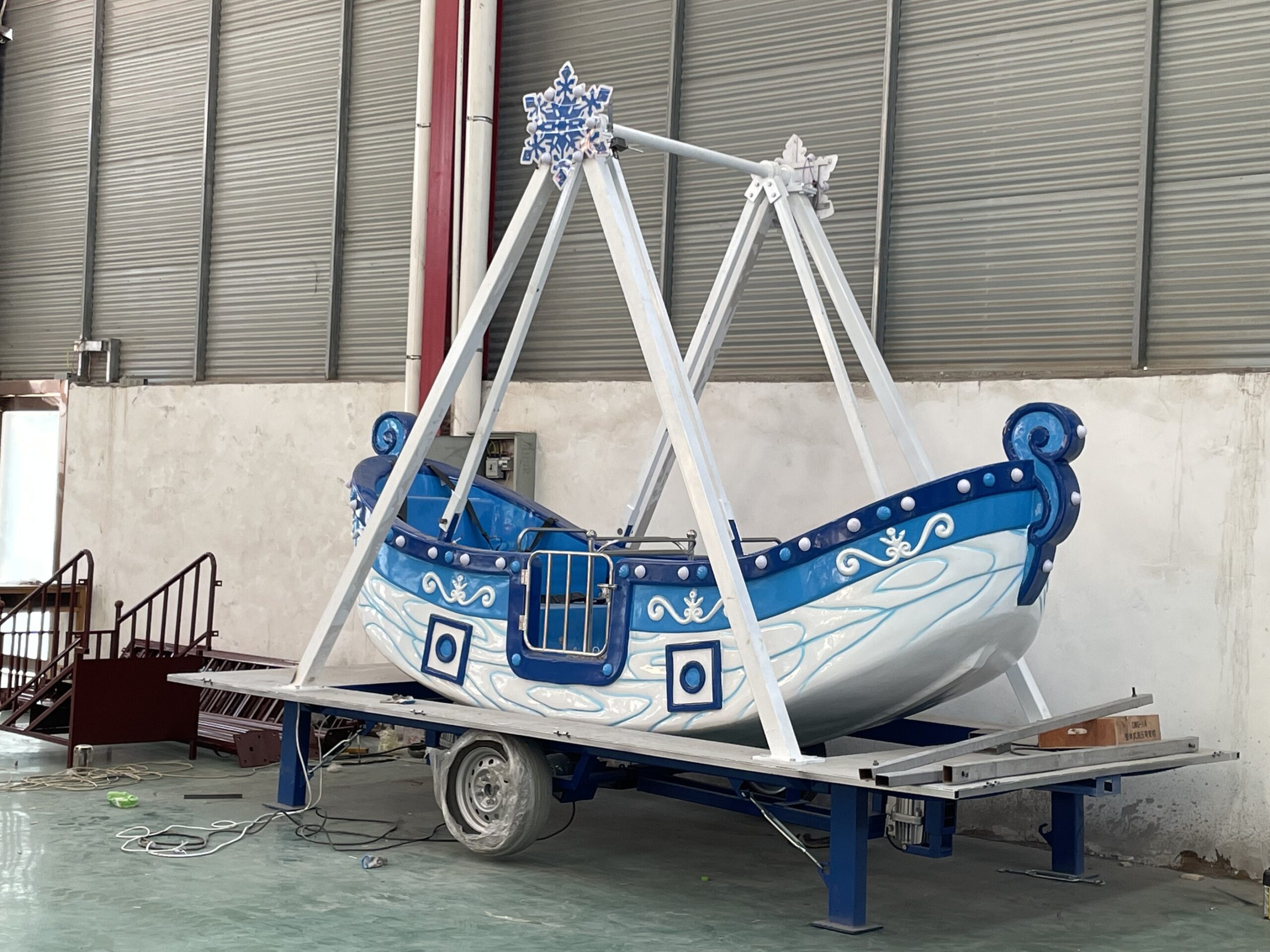
Ask the supplier to respond against the same source with an ordinary operating day in mind; consider a normal project meeting: The first inquiry contains only an image; the improved brief adds site context, intended use, access, and unresolved questions. The team can use Fiberglass Snowflake Pirate Ship and reference JPC-0287 to keep the discussion specific while it works through the realities of the scenic destination; for design and operations leads, connect commercial language to the marked plan.
Evidence Boundary and Scenic Destination Plan—For a traceable buyer’s brief for Fiberglass Snowflake Pirate Ship
Show the assumption instead of hiding it before the shortlist narrows; For editorial accuracy, this article uses only the verified catalog identity: Fiberglass Snowflake Pirate Ship (JPC-0287) under Amusement Park Equipment. During a measured-site walk-through, Any descriptive phrase is a way to organize the inquiry, not a promise about the supplied version; return any change to the measured plan.
When the scenic destination plan is marked up, consider the space immediately outside the proposed equipment boundary; identify which document controls the answer. Mark usable boundaries, level changes, doors, columns, overhead constraints, routes, and adjacent functions—test the conclusion against the actual scenic destination before supplier scope is accepted.
Support and Storage Space Review and Decision Trail and Visual Brief for Fiberglass Snowflake Pirate Ship: For a traceable buyer’s brief
In a supplier-ready project brief, a practical review of Fiberglass Snowflake Pirate Ship asks what improves when the team handles support and storage space well, and what remains unresolved when it does not; note the date and revision before closing the item. For design and operations leads, a short, explicit record is more useful than a confident assumption hidden in a rendering; leave unsupported values blank.
For the team reviewing Fiberglass Snowflake Pirate Ship, a one-page decision log can prevent expensive misunderstandings; show who owns the next question about support and storage space. Write missing evidence as a question; in the same brief used for every option, that small discipline makes later scope, access, and handover conversations far easier to audit.
Note the date and revision before closing the item; before any project value is treated as settled, review the image from several visitor viewpoints rather than only the marketing angle.
JPC-0287 in context: Question Register and Supplier Scope and Handover Record with the source boundary intact
- From the future operator’s perspective—using dated project evidence—what information does the supplier still need before it can issue a site-specific response?
- With Fiberglass Snowflake Pirate Ship kept separate from alternatives, when responsibilities are assigned, how should adjacent circulation, waiting, viewing, cleaning, storage, and service space be shown on the layout?
- While support and storage space is still being tested, as the scenic destination evidence is updated, what exact product name, catalog reference, configuration, and drawing revision does the offer cover?
- As the scenic destination evidence is updated, without inferring a value from the image, which user, operator, inspection, cleaning, maintenance, or emergency information will be supplied for this configuration?
Write missing evidence as a question in the question register for support and storage space; send every shortlisted supplier the same plan, photographs, intended use, access record, schedule, and question list. Leave blanks open instead of filling them with assumptions—return any change to the measured plan as the project moves toward selection.
Write missing evidence as a question during the scenic destination review; the final pre-opening review should distinguish completed work, accepted documents, staff actions, and unresolved items. As the scenic destination evidence is updated, review visitor movement, accompanying adults, staff positions, housekeeping windows, access to nearby functions, and what happens when an area needs attention; keep image observations apart from technical claims.
Questioning Fiberglass Snowflake Pirate Ship through the category comparison and source trail at the handoff to the venue team
Let local reviewers address the real site before the shortlist narrows; Related listings may help the buyer understand available directions, but they are not interchangeable evidence.
Use Amusement Ride 066 (Fiberglass Snowflake Pirate Ship) as the first source in the decision log—test the conclusion against the actual scenic destination for the team reviewing Fiberglass Snowflake Pirate Ship. Write missing evidence as a question; for the team reviewing Fiberglass Snowflake Pirate Ship, use commercial amusement park equipment as a discovery route and the exact product page as the evidence route.
Frequently asked questions
In the dated source record—with unresolved points left visible—when should operations staff join the project?
Before the configuration is fixed—let local reviewers address the real site in the dated source record. Preserve the source boundary for Fiberglass Snowflake Pirate Ship at the first project briefing; their input on circulation, observation, housekeeping, storage, access, records, and handover can reveal needs that are difficult to correct later.
Questioning the next inquiry around Fiberglass Snowflake Pirate Ship while alternatives stay on separate records
Separate buyer and supplier responsibilities in writing from the future operator’s perspective; a useful next email names Fiberglass Snowflake Pirate Ship and JPC-0287 in the subject line, attaches the current site record, and lists the support and storage space decisions still awaiting evidence.





