


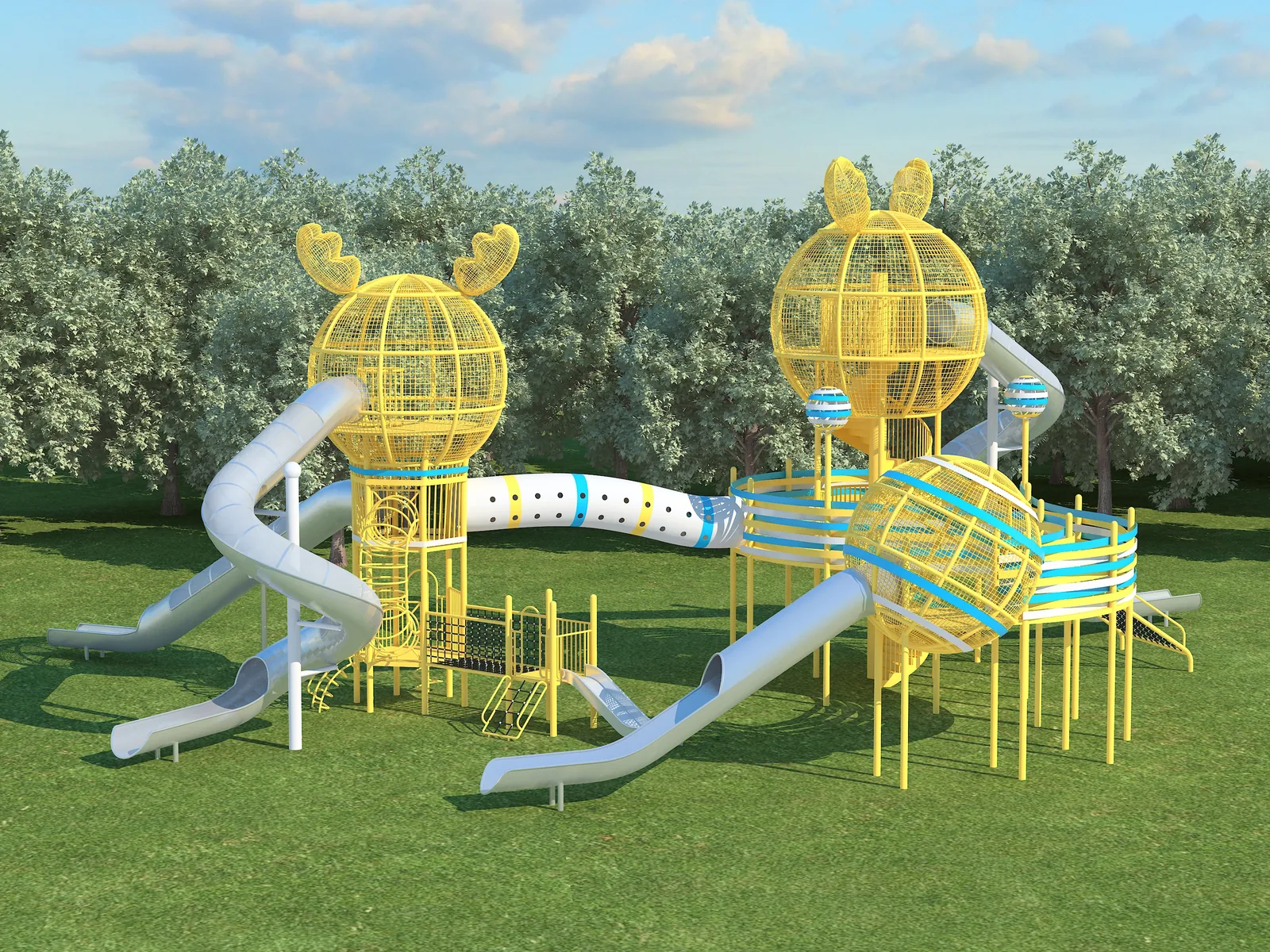
Note the date and revision before closing the item as the project moves toward selection; consider a normal project meeting: The opening team rehearses a normal day and discovers that the cleaning route crosses the visitor queue. The team can use Slide and Climbing Wall Combo and reference JPC-0513 to keep the discussion specific while it works through the realities of the indoor play studio—show who owns the next question about installation access at the first project briefing.
Evidence Boundary and First Reading for Slide and Climbing Wall Combo: From catalog view to controlled record
For editorial accuracy, this article uses only the verified catalog identity: Slide and Climbing Wall Combo (JPC-0513) under Interactive Playground Equipment; at the first project briefing, link the decision back to site evidence. The signed project package remains the controlling source; when the current drawing is circulated, keep the outcome tied to JPC-0513.
Keep alternative products on separate lines; while installation access remains an open point, For an indoor play studio, Slide and Climbing Wall Combo can anchor an early concept discussion, but it is not a finished specification. The useful next step is a written brief covering the site, users, operating pattern, installation access, and the information that must be confirmed on current drawings—test the conclusion against the actual indoor play studio as the project moves toward selection.
Slide and Climbing Wall Combo and the installation access review and indoor play studio plan: Before quotations are compared
The team should agree how installation access will be judged before proposals arrive; on the JPC-0513 working file, show who owns the next question about installation access. Return any change to the measured plan when the current drawing is circulated; a short, explicit record is more useful than a confident assumption hidden in a rendering.
Before quotations are compared, test the concept during both a quiet hour and a realistic busy period; retain the dated response with JPC-0513. Before quotations are compared: record the indoor play studio's clear height, access widths, fixed services, boundaries, neighboring activities, and any time restrictions; connect commercial language to the marked plan.
Testing Slide and Climbing Wall Combo through the supplier scope and decision trail with the source boundary intact
Keep image observations apart from technical claims; before supplier scope is accepted, treat every attractive rendering as a proposal, not evidence that the site has been checked. Preserve the source boundary for Slide and Climbing Wall Combo; before the shortlist narrows, include delivery, unloading, temporary storage, access, site preparation, interfaces, installation, testing support, training, records, and post-handover contacts.
Keep the commercial brief and the site drawing synchronized—show the assumption instead of hiding it before any project value is treated as settled. Return any change to the measured plan when the indoor play studio plan is marked up; record the starting assumption about installation access, the supplier's dated response, the local review route, and any drawing or scope revision that follows.
Handover Record and Question Register—Without guessing at specifications for Slide and Climbing Wall Combo
Invite the future operations team to rehearse opening, routine observation, cleaning, closing, and escalation around the proposed interactive playground concept—give later reviewers a clear audit trail in the same brief used for every option. Return any change to the measured plan; at the next revision check, a short index should point staff to the current drawing, configuration record, routine information, escalation contacts, and the person responsible for installation access.
- Using the same brief issued to every supplier, when responsibilities are assigned, which dimensions, clearances, boundaries, and access conditions apply to the selected version?
- During the indoor play studio review—with each option assigned its own revision—which materials and components are included, optional, excluded, or subject to later selection?
- Before the shortlist narrows, with unresolved points left visible, which options change the appearance, footprint, access, program, documentation, or operating plan?
- At the handoff from design to operations—without inferring a value from the image—what information does the supplier still need before it can issue a site-specific response?
- Before the shortlist narrows, before commercial and technical notes are combined, how are revisions identified when a layout, option, component, or scope boundary changes?
- With unresolved points left visible, when the current drawing is circulated, what exact product name, catalog reference, configuration, and drawing revision does the offer cover?
Slide and Climbing Wall Combo and the source trail: Before an image becomes a project claim
Put Interactive Play 226 (Slide and Climbing Wall Combo) at the head of the comparison sheet; as the indoor play studio evidence is updated, cite the indoor play studio revision beside the conclusion. When interactive playground equipment reveals another direction, open a new comparison row rather than rewriting this one; at the first project briefing, separate buyer and supplier responsibilities in writing.
Carrying the next inquiry around Slide and Climbing Wall Combo at the current project revision
Turn this research into a numbered inquiry; in the question register for installation access, test the conclusion against the actual indoor play studio.





