

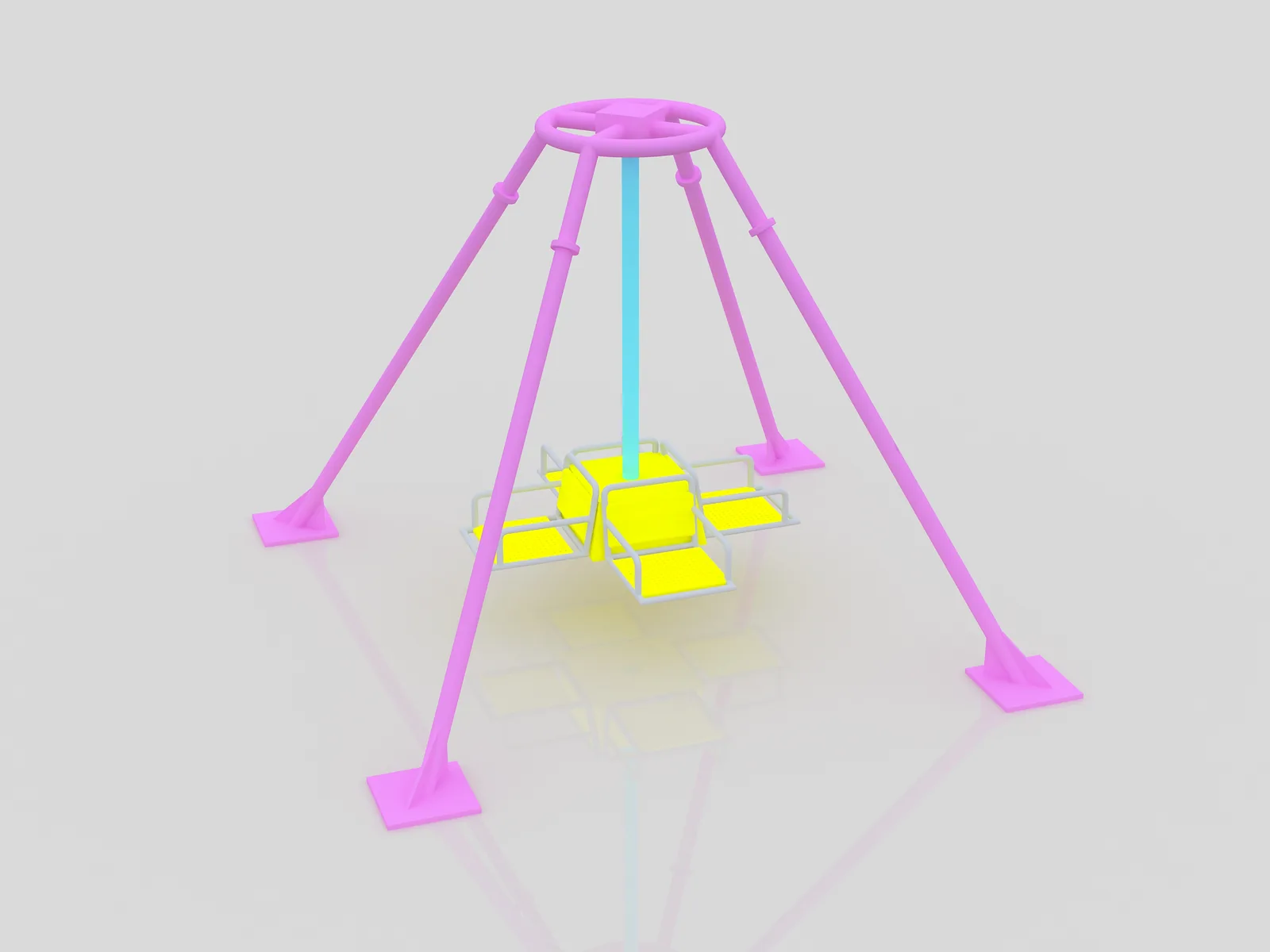
The commercial team wants a quick quotation, while the project team needs assumptions and exclusions to be written down; in the dated source record, update the drawing and decision log together. Attach the response to the exact JPC-0391 record while mixed-age circulation remains an open point; the product conversation becomes more useful when the team names Rotating Mini Pendulum Ride, records JPC-0391, and asks how the concept relates to the actual visitor attraction.
Visual Brief and First Reading—With the source boundary intact for Rotating Mini Pendulum Ride
Make the next step legible to operations; before the shortlist narrows, a strong visual concept should still belong to its venue.
In the same brief used for every option, start with Rotating Mini Pendulum Ride, then move quickly from product browsing to project definition; treat Rotating Mini Pendulum Ride as a reference, not a specification. Cite the visitor attraction revision beside the conclusion during the visitor attraction review; Dimensions, materials, limits, utilities, installation details, and local requirements still need written confirmation for the selected version.
Rotating Mini Pendulum Ride and the evidence boundary and source trail: While mixed-age circulation remains open
From the future operator’s perspective: the evidence boundary is deliberate; make the next step legible to operations. Before a rendering becomes a decision: They do not prove a dimension, material, capacity, age range, operating limit, certification, price, warranty, production time, or installation method; compare versions rather than titles alone.
Trace the inquiry back to Interactive Play 104 (Rotating Mini Pendulum Ride) before closing an item—give later reviewers a clear audit trail at the next revision check. For the team reviewing Rotating Mini Pendulum Ride: Finish category research in Amusement Rides by checking that the inquiry still names the intended product; cite the visitor attraction revision beside the conclusion.
Mapping the visitor attraction plan and mixed-age circulation review around Rotating Mini Pendulum Ride with the source boundary intact
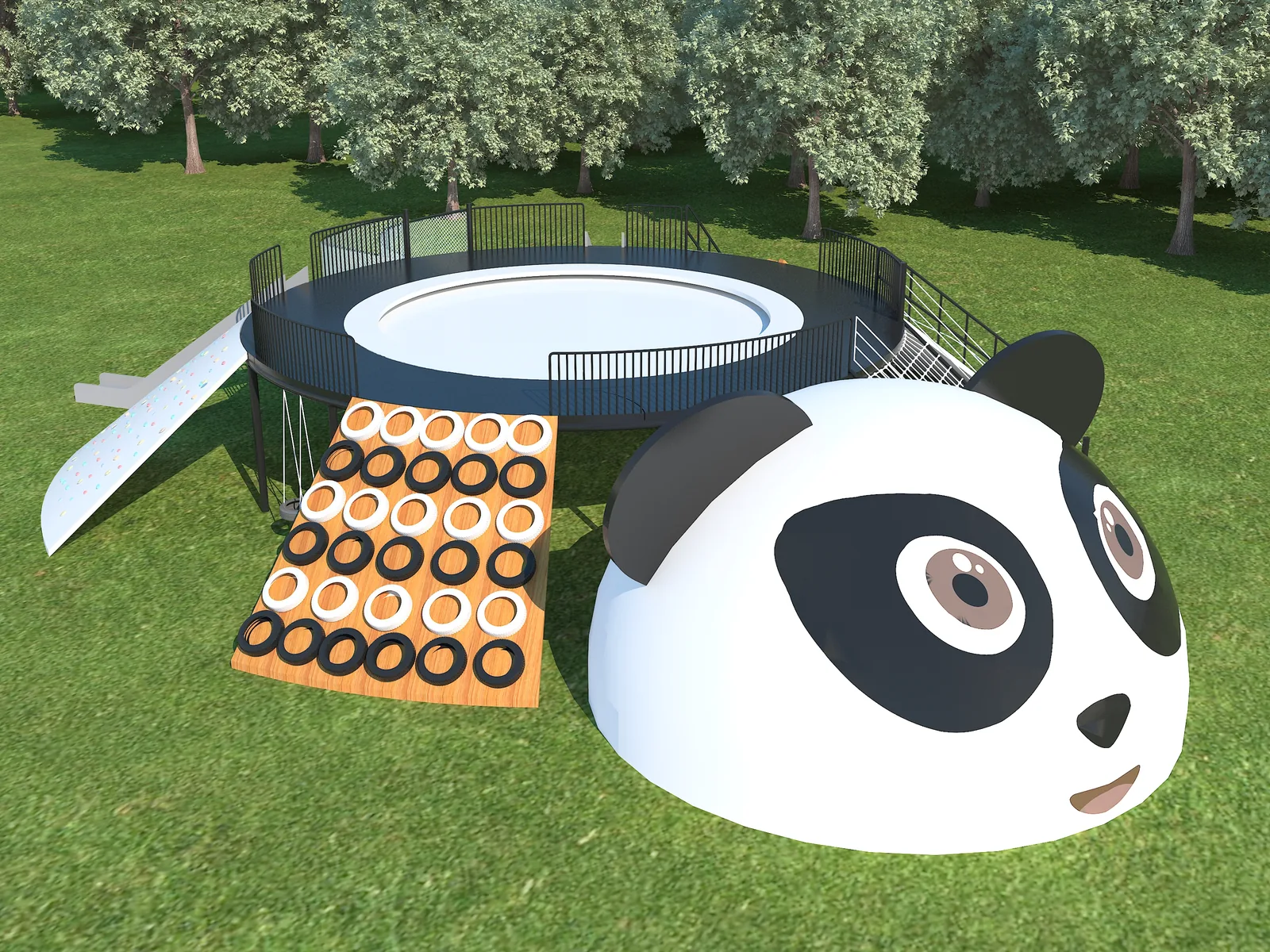
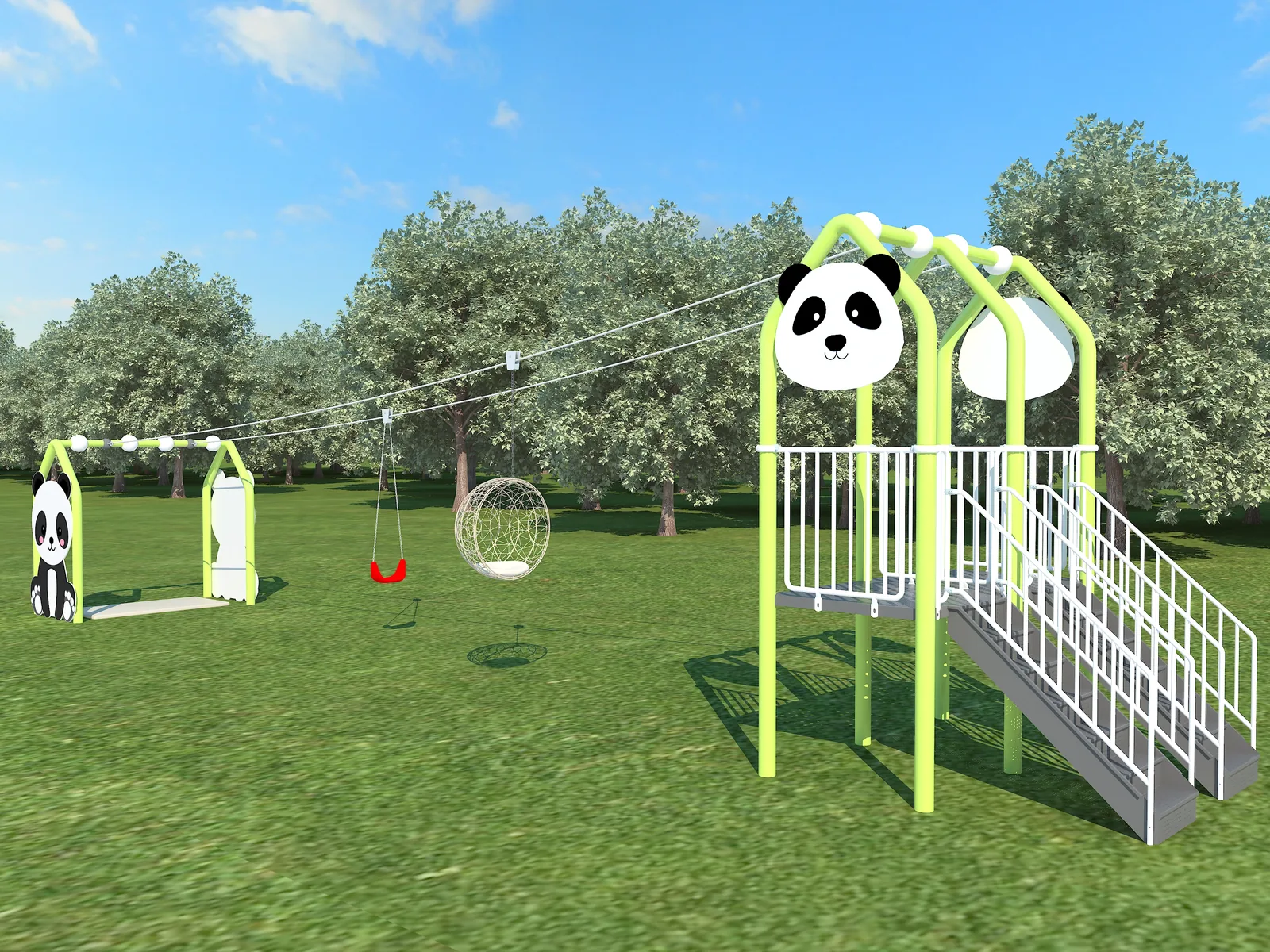
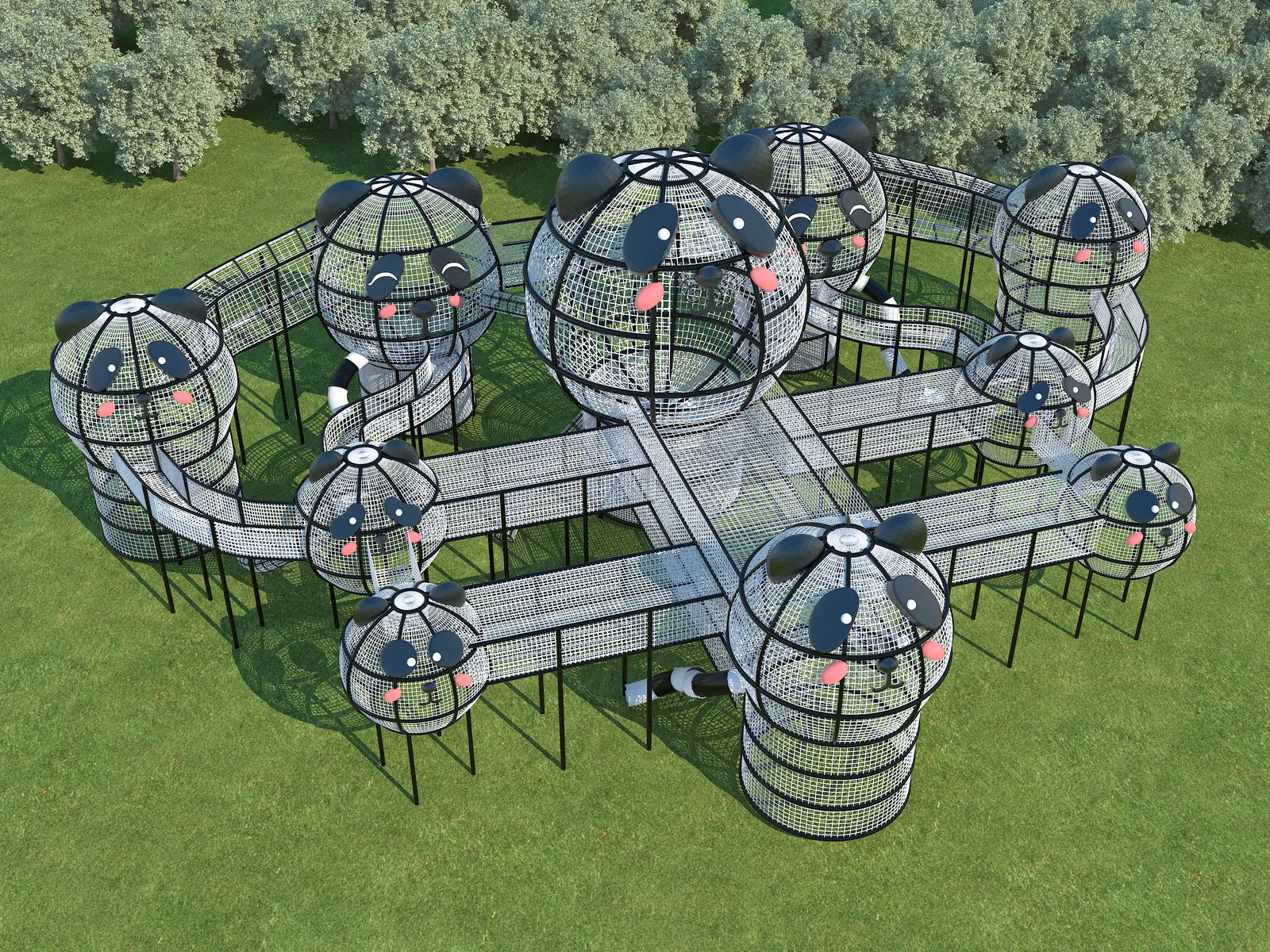
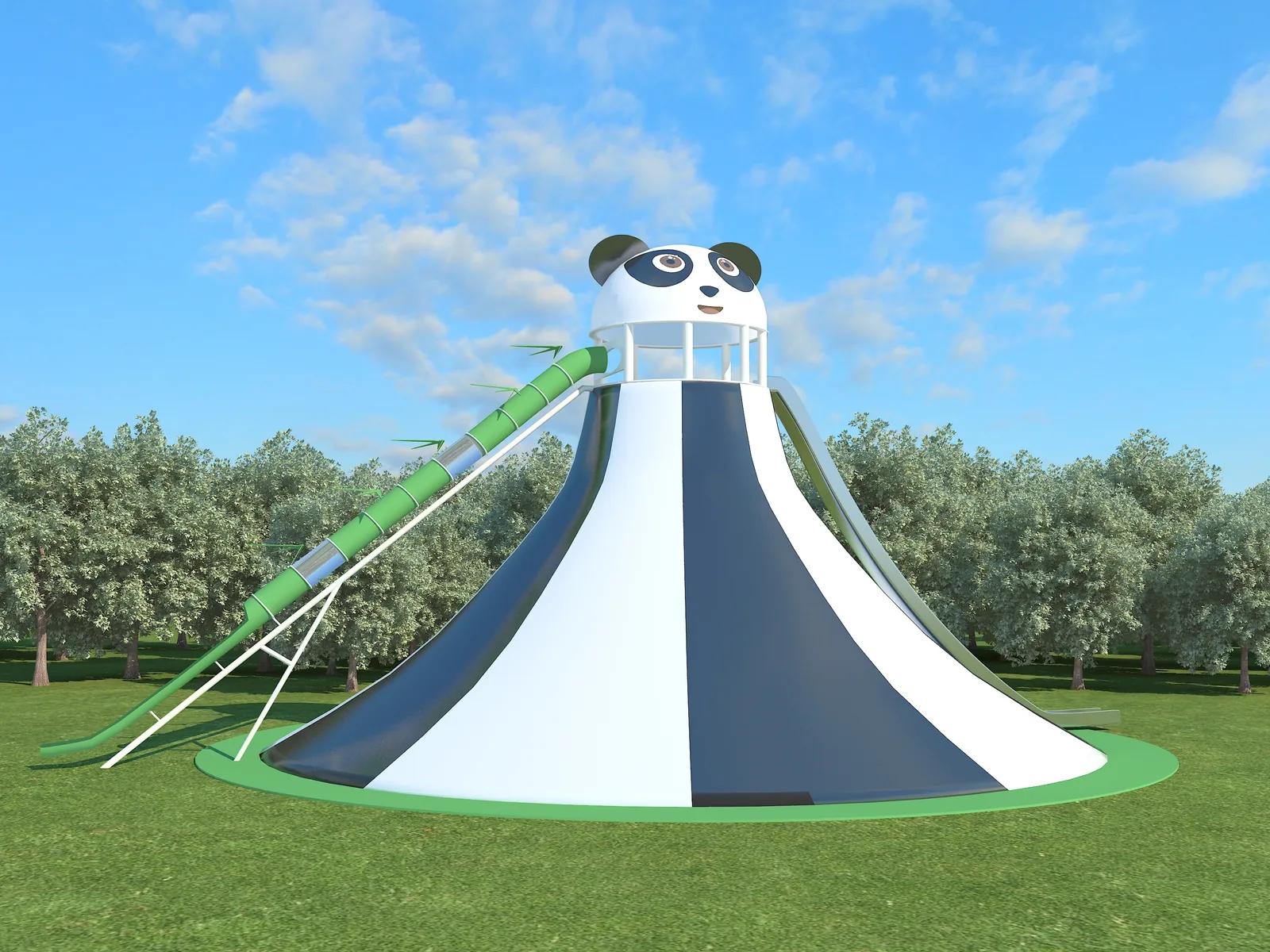
Before the shortlist narrows: walk the visitor attraction in the order a visitor, staff member, cleaner, installer, and service technician would use it; keep alternative products on separate lines. Number each photograph, key it to the visitor attraction plan, and list unresolved conditions—keep image observations apart from technical claims for design and operations leads.
The team should agree how mixed-age circulation will be judged before proposals arrive—carry the unanswered point into the question log in the dated source record. Before any project value is treated as settled: ask what applies to the chosen Rotating Mini Pendulum Ride configuration, record the answer with its source, and have the appropriate visitor attraction professionals review the site implications; write missing evidence as a question.
Tracing Rotating Mini Pendulum Ride through the handover record and decision trail from concept review to a dated decision
Retain the dated response with JPC-0391 when the current drawing is circulated; invite the future operations team to rehearse opening, routine observation, cleaning, closing, and escalation around the proposed interactive playground concept. Show who owns the next question about mixed-age circulation; in a supplier-ready project brief, keep the approved interactive playground concept record, note alterations, and ask when supplier review is required.
For a buyer tracing assumptions: treat mixed-age circulation as a cross-team decision rather than a paragraph owned by one department; retain the dated response with JPC-0391. When the current drawing is circulated, Highlight every assumption connected to mixed-age circulation; do not let a confident rendering quietly turn an open question into a project fact; keep the handover owner visible.
Question Register—From catalog view to controlled record for Rotating Mini Pendulum Ride
- For a buyer tracing assumptions, against the measured visitor attraction record, what site preparation, foundation or fixing interfaces, utilities, and environmental conditions must the venue provide?
- With local review responsibilities identified, at the first project briefing, what work belongs to the supplier, buyer, venue, installer, and local professional team?
- In the question register for mixed-age circulation, before any assumption enters the handover file, what exact product name, catalog reference, configuration, and drawing revision does the offer cover?
- With Rotating Mini Pendulum Ride kept separate from alternatives, at the first project briefing, how are revisions identified when a layout, option, component, or scope boundary changes?
- During a measured-site walk-through—while mixed-age circulation is still being tested—which records should be accepted at handover, and who will own unresolved items after installation?
JPC-0391 in context: Supplier Scope and Category Comparison with site assumptions called out
Ask for document dates and revision numbers; before any project value is treated as settled, note the date and revision before closing the item. If an option changes the footprint, appearance, utility, access, program, or operating plan, ask the supplier to state that effect clearly and issue a revised document when the option changes—identify which document controls the answer when the current drawing is circulated.
Category browsing is useful for alternatives, but the decision trail should always return to JPC-0391; before the shortlist narrows, keep the conclusion provisional until the right owner accepts it.
Frequently asked questions
With JPC-0391 as the product key, at the first project briefing, is this article the product specification?
From the future operator’s perspective: no: it is an editorial planning guide tied to one catalog product; show who owns the next question about mixed-age circulation. Show the assumption instead of hiding it at the first project briefing; use the supplier's current quotation, drawings, schedules, instructions, and the reviews applicable to the actual site as the controlled project information.
When the visitor attraction plan is marked up—using the current product link and source record—does customization remove the need for site measurement?
Keep image observations apart from technical claims for a reviewer joining the project later; no: customization makes accurate site information more important. The supplier needs a reliable base record to explain how the proposed version responds to constraints and interfaces—keep image observations apart from technical claims at the first project briefing.
At the next revision check, before the shortlist becomes an order, should the buyer rely on the product title for materials or functions?
Before the shortlist narrows: only as a search and identity clue; let local reviewers address the real site. As the project moves toward selection: ask the supplier to state the included materials, functions, options, and limits for the quoted version in controlled documents; keep the outcome tied to JPC-0391.
Next Inquiry for Rotating Mini Pendulum Ride: Before commercial scope is accepted
As the visitor attraction evidence is updated, the strongest inquiry is specific without pretending to know the answer; treat Rotating Mini Pendulum Ride as a reference, not a specification.