


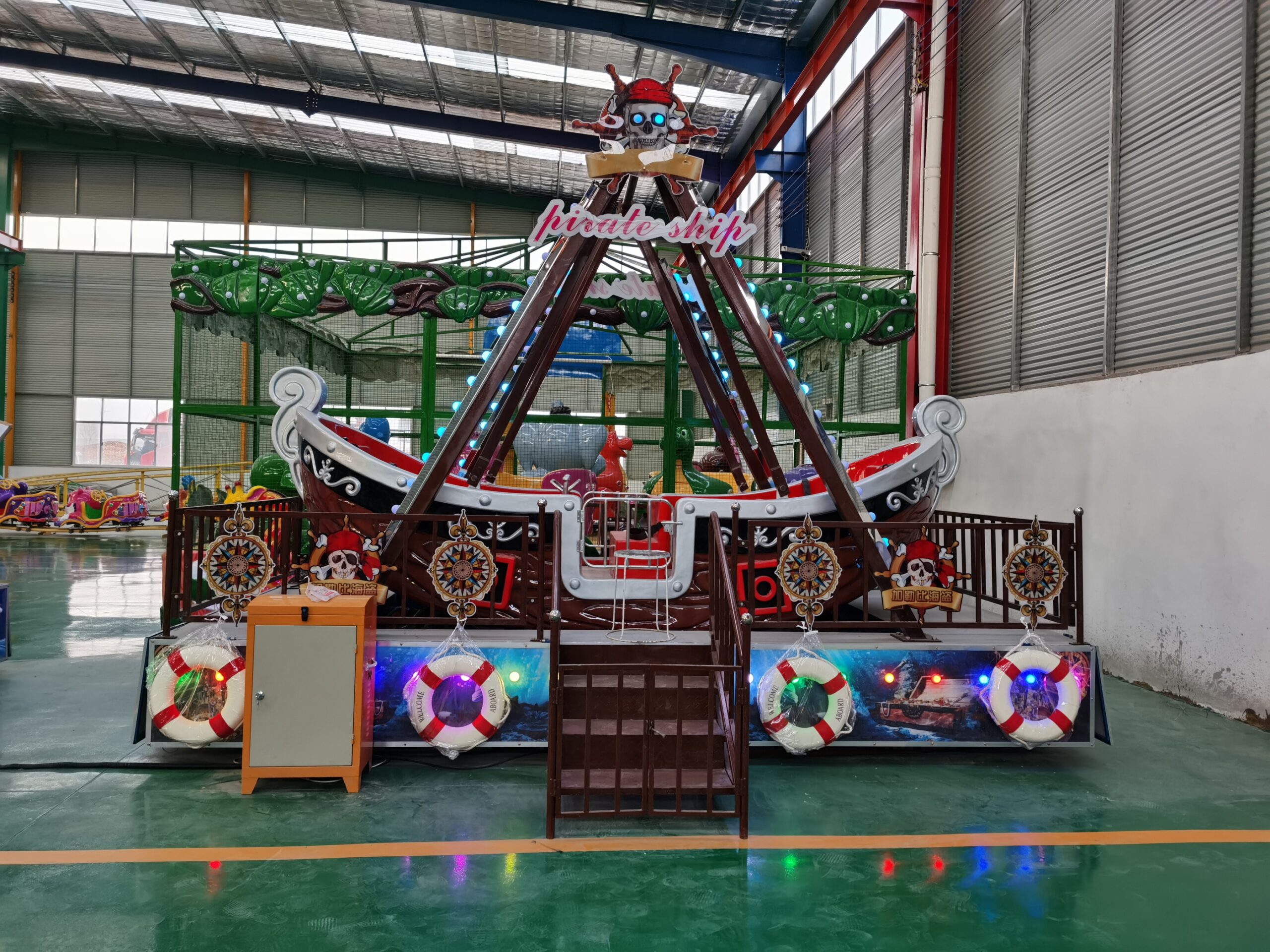
The destination expects seasonal peaks, so temporary waiting and staff positions need to work without changing the equipment claim—connect commercial language to the marked plan from the future operator’s perspective. The product conversation becomes more useful when the team names Fiberglass Retro Pirate Ship, records JPC-0281, and asks how the concept relates to the actual shopping mall attraction zone—show the assumption instead of hiding it during the shopping mall attraction zone review.
Evidence Boundary and Shopping Mall Attraction Zone Plan for Fiberglass Retro Pirate Ship: With responsibilities made visible
Attach the response to the exact JPC-0281 record with JPC-0281 kept visible; the catalog gives the team a stable label—Fiberglass Retro Pirate Ship, JPC-0281, Amusement Park Equipment. Separate buyer and supplier responsibilities in writing; at the handoff from design to operations, the image and title can guide questions about visual direction and application, but final technical and commercial details must come from the selected configuration's current quotation, drawings, schedules, and manuals.
Ask the supplier to respond against the same source before quotations are compared; consider the space immediately outside the proposed equipment boundary. Ask how the selected amusement attraction concept is divided for delivery and how the installation plan protects opening readiness; with an ordinary operating day in mind, ask the supplier to respond against the same source.
Fiberglass Retro Pirate Ship and the opening readiness review and decision trail and visual brief: Before a drawing is treated as final
At the next revision check: do not solve opening readiness with an invented dimension or generic rule; separate buyer and supplier responsibilities in writing. On the JPC-0281 working file, ask what applies to the chosen Fiberglass Retro Pirate Ship configuration, record the answer with its source, and have the appropriate shopping mall attraction zone professionals review the site implications; keep the outcome tied to JPC-0281.
With an ordinary operating day in mind, a one-page decision log can prevent expensive misunderstandings; compare versions rather than titles alone. Number the items related to opening readiness, attach each response to its source document, and close them only when the appropriate project owner accepts the answer; at the next revision check, let local reviewers address the real site.
Ask the design and operations teams to annotate the same image—identify which document controls the answer from the future operator’s perspective.
JPC-0281 in context: Question Register and Supplier Scope and Handover Record at the current project revision
- In the question register for opening readiness—with unresolved points left visible—what work belongs to the supplier, buyer, venue, installer, and local professional team?
- For the team reviewing Fiberglass Retro Pirate Ship, before commercial and technical notes are combined, which statements in the current proposal are confirmed facts and which are assumptions awaiting review?
- With local review responsibilities identified, at the next revision check, which records should be accepted at handover, and who will own unresolved items after installation?
- In the question register for opening readiness—using the same brief issued to every supplier—how should adjacent circulation, waiting, viewing, cleaning, storage, and service space be shown on the layout?
- Before commercial and technical notes are combined, at the first project briefing, what site preparation, foundation or fixing interfaces, utilities, and environmental conditions must the venue provide?
Separate buyer and supplier responsibilities in writing; before quotations are compared, compare like with like by freezing a review date and base brief. Keep the outcome tied to JPC-0281 as the shopping mall attraction zone evidence is updated; include delivery, unloading, temporary storage, access, site preparation, interfaces, installation, testing support, training, records, and post-handover contacts.
Plan the everyday record before opening—test the conclusion against the actual shopping mall attraction zone in the question register for opening readiness. For a buyer tracing assumptions: a short index should point staff to the current drawing, configuration record, routine information, escalation contacts, and the person responsible for opening readiness; keep alternative products on separate lines.
Checking the category comparison and source trail around Fiberglass Retro Pirate Ship with responsibilities made visible
At the handoff from design to operations, do not let a broad category comparison blur the source; keep alternative products on separate lines.
Reopen Amusement Ride 060 (Fiberglass Retro Pirate Ship) when the product record is handed to another reviewer—make the next step legible to operations for design and operations leads. During the shopping mall attraction zone review: Move through commercial amusement park equipment freely, then cite the product reference when a decision returns to this concept; connect commercial language to the marked plan.
Next Inquiry for Fiberglass Retro Pirate Ship: For design and operations reviewers
A useful next email names Fiberglass Retro Pirate Ship and JPC-0281 in the subject line, attaches the current site record, and lists the opening readiness decisions still awaiting evidence; before the shortlist narrows, write missing evidence as a question.





