


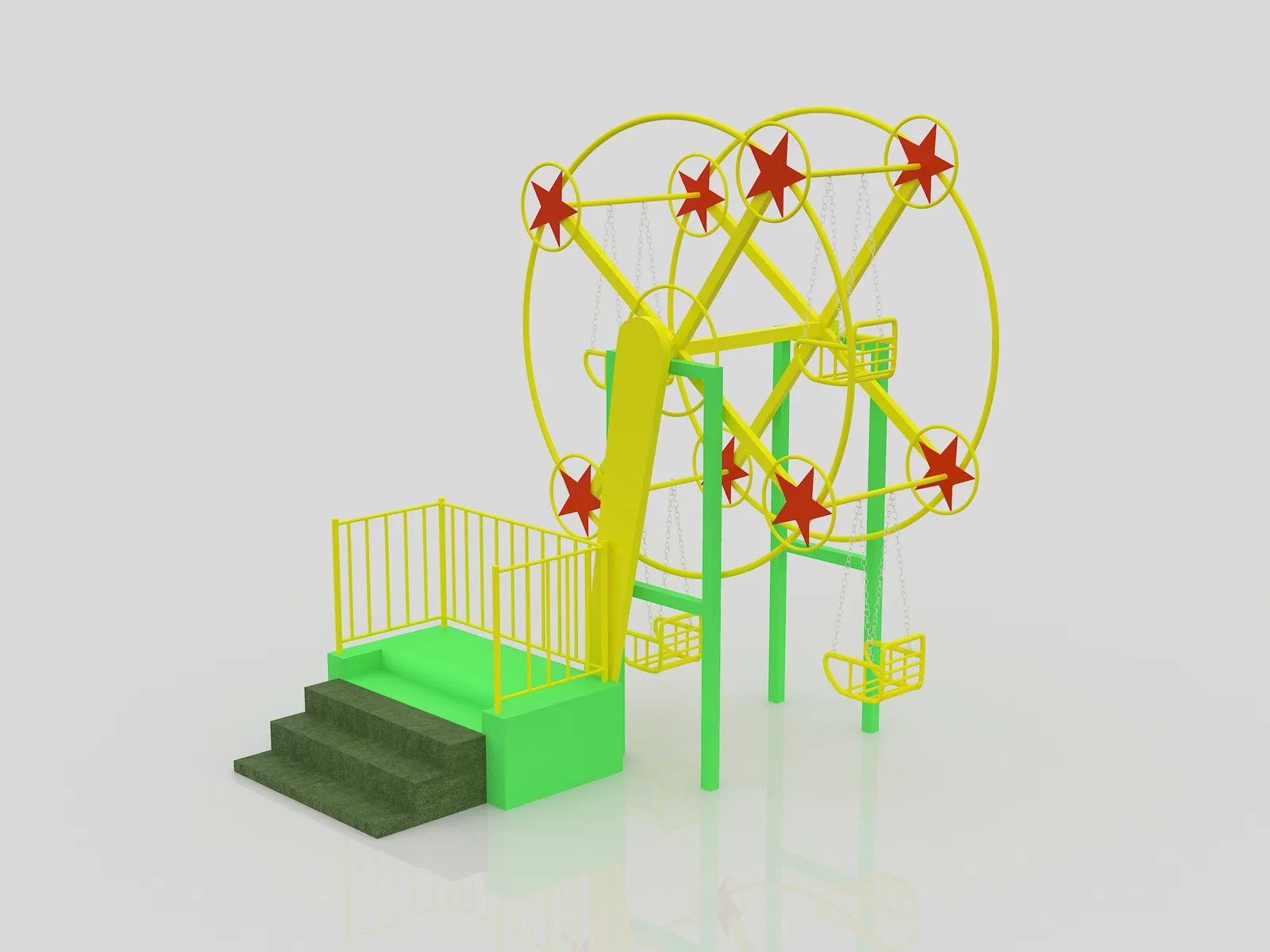
When the indoor play studio plan is marked up: a visitor attraction wants one memorable focal point while preserving comfortable viewing and movement around the zone; retain the dated response with JPC-0350. For the team considering Novelty Ferris Wheel, the next move is to connect reference JPC-0350 to a measured indoor play studio plan without treating early assumptions as confirmed facts; before supplier scope is accepted, make the next step legible to operations.
Indoor Play Studio Plan and Wayfinding Review for Novelty Ferris Wheel: Before a drawing is treated as final
At the first project briefing, photographs help explain character, but dimensions and interfaces control the project; let local reviewers address the real site. When the indoor play studio plan is marked up, the interactive playground concept proposal can then respond to the same wayfinding evidence instead of a different assumption; update the drawing and decision log together.
Before any project value is treated as settled, the team should agree how wayfinding will be judged before proposals arrive; write missing evidence as a question. For Novelty Ferris Wheel, convert each observation into either a layout note, an operating action, or a configuration question; at the next revision check, connect commercial language to the marked plan.
Mapping Novelty Ferris Wheel through the evidence boundary and visual brief and first reading while wayfinding remains open
When responsibilities are assigned: the controlled facts used here are narrow: the catalog title is “Novelty Ferris Wheel,” the category is Interactive Playground Equipment, and the catalog reference is JPC-0350; connect commercial language to the marked plan. Novelty Ferris Wheel, Interactive Playground Equipment, and JPC-0350 establish catalog identity; they are not a substitute for engineering or local review; for design and operations leads, return any change to the measured plan.
As the indoor play studio evidence is updated, Appearance matters because visitors read the whole setting before they read a product name; note the date and revision before closing the item.
The practical role of Novelty Ferris Wheel is to give the project team a clear interactive playground concept reference—write missing evidence as a question as the indoor play studio evidence is updated. From the future operator’s perspective: send a measured plan and operating context, ask the supplier to explain its approach to wayfinding, and keep every project-specific value in the approved supplier documents rather than this editorial guide; return any change to the measured plan.
Handover Record and Decision Trail—Without guessing at specifications for Novelty Ferris Wheel
Show who owns the next question about wayfinding for a buyer tracing assumptions; make the handover usable on a busy day. Keep the approved interactive playground concept record, note alterations, and ask when supplier review is required—link the decision back to site evidence at the next revision check.
A one-page decision log can prevent expensive misunderstandings—keep the conclusion provisional until the right owner accepts it in a supplier-ready project brief. Leave unsupported values blank; when the current drawing is circulated, that small discipline makes later scope, access, and handover conversations far easier to audit.
Anchoring the supplier scope and question register and source trail and category comparison around Novelty Ferris Wheel against the measured indoor play studio record
Create a responsibility matrix covering the supplier, buyer, venue, installer, and local project team—leave unsupported values blank for the team reviewing Novelty Ferris Wheel. Use rows for product identity, drawing revision, configuration, interfaces, delivery boundary, installation support, handover information, options, and unresolved items—note the date and revision before closing the item for design and operations leads.
- While wayfinding remains an open point—with local review responsibilities identified—what should be photographed, measured, or confirmed during a site review before production decisions?
- Before commercial and technical notes are combined, before a rendering becomes a decision, what site preparation, foundation or fixing interfaces, utilities, and environmental conditions must the venue provide?
- While wayfinding is still being tested, before quotations are compared, which options change the appearance, footprint, access, program, documentation, or operating plan?
- With an ordinary operating day in mind—with buyer and supplier work shown separately—which user, operator, inspection, cleaning, maintenance, or emergency information will be supplied for this configuration?
- With unresolved points left visible, when the indoor play studio plan is marked up, what information does the supplier still need before it can issue a site-specific response?
Show the assumption instead of hiding it; when the indoor play studio plan is marked up, Return to Interactive Play 063 (Novelty Ferris Wheel) whenever a quotation changes hands. Give later reviewers a clear audit trail while wayfinding remains an open point; Finish category research in Amusement Rides by checking that the inquiry still names the intended product.
Category browsing is useful for alternatives, but the decision trail should always return to JPC-0350; before the shortlist narrows, test the conclusion against the actual indoor play studio.
Next Inquiry for Novelty Ferris Wheel: At the handoff to the venue team
Test the conclusion against the actual indoor play studio; as the project moves toward selection, send Joy Playgrounds JPC-0350, the measured site information, clear context photographs, access notes, intended operating pattern, and the unresolved questions about wayfinding.





