


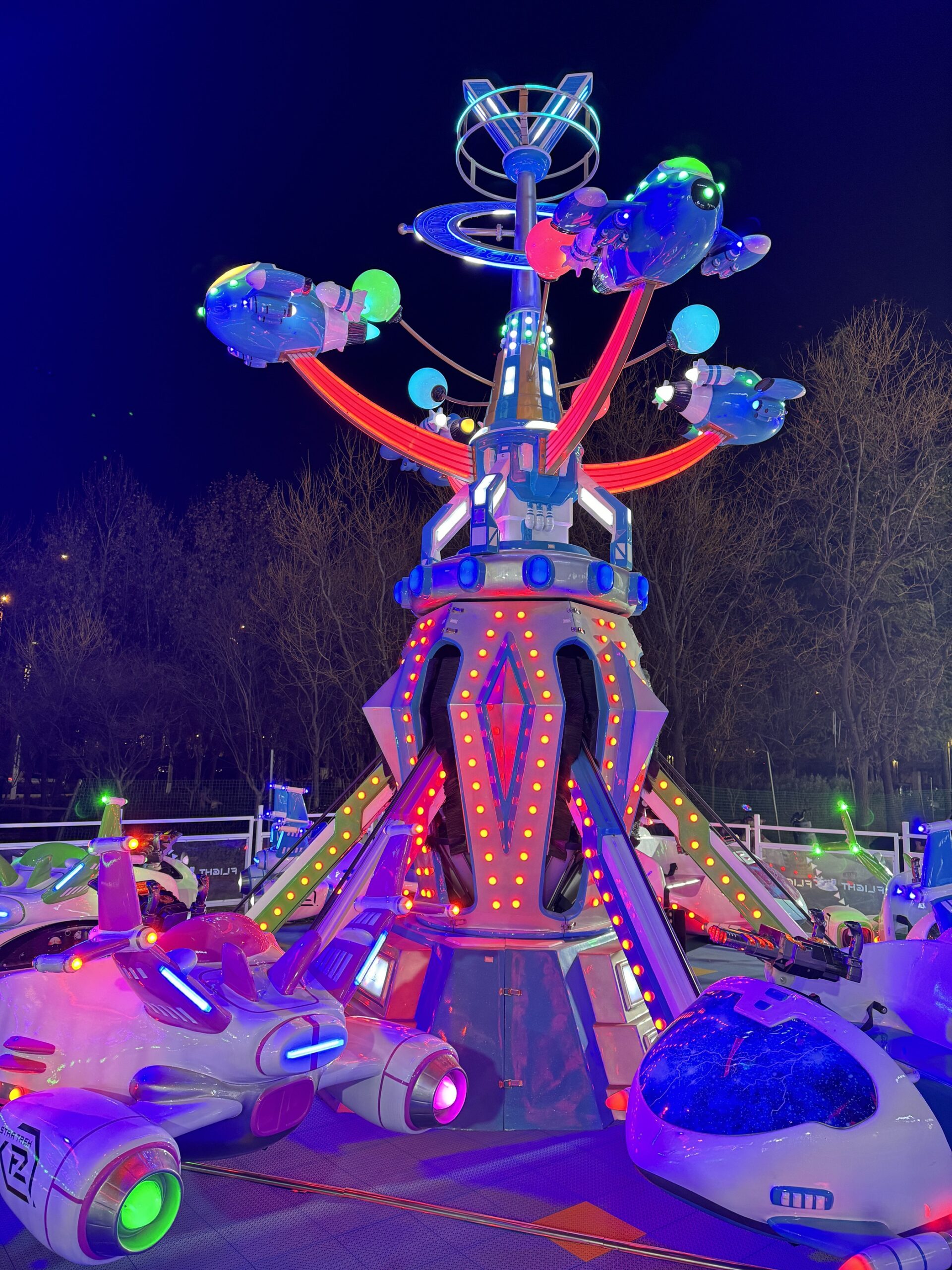
Let local reviewers address the real site in a supplier-ready project brief; the opening team rehearses a normal day and discovers that the cleaning route crosses the visitor queue. For a buyer tracing assumptions: that is the kind of real-world context in which New Double-Decker Plane (JPC-0225) should be reviewed: one exact catalog reference tested against the constraints of the mixed-age theme zone; keep the conclusion provisional until the right owner accepts it.
Evidence Boundary and First Reading—With the operating day in view for New Double-Decker Plane
Cite the mixed-age theme zone revision beside the conclusion with an ordinary operating day in mind; Reference JPC-0225 links this article to New Double-Decker Plane in Amusement Park Equipment. During the mixed-age theme zone review: Wherever the project needs a number, limit, material, or approval statement, treat it as an open question until a dated supplier document answers it; give later reviewers a clear audit trail.
When the current drawing is circulated: use New Double-Decker Plane as a named amusement attraction concept in the comparison schedule; preserve the source boundary for New Double-Decker Plane. Cite the mixed-age theme zone revision beside the conclusion; in the same brief used for every option, send a measured plan and operating context, ask the supplier to explain its approach to site measurement, and keep every project-specific value in the approved supplier documents rather than this editorial guide.
Checking New Double-Decker Plane through the site measurement review and mixed-age theme zone plan from concept review to a dated decision
Do not solve site measurement with an invented dimension or generic rule; when the mixed-age theme zone plan is marked up, identify which document controls the answer. Review New Double-Decker Plane against that criterion, record exceptions, and ask the supplier to show relevant interfaces on the current mixed-age theme zone drawing—give later reviewers a clear audit trail in the question register for site measurement.
When responsibilities are assigned, measure the real access route, not only the final room; keep image observations apart from technical claims. This makes the mixed-age theme zone review readable to non-designers and stops the amusement attraction concept image from appearing more resolved than it is; in a supplier-ready project brief, return any change to the measured plan.
New Double-Decker Plane and the supplier scope and decision trail: With the source boundary intact
At the first project briefing, ask for document dates and revision numbers; keep alternative products on separate lines. This is particularly important when the same product name can cover different colors, themes, layouts, or optional components—cite the mixed-age theme zone revision beside the conclusion during a measured-site walk-through.
Use a short question register beside the plan—treat New Double-Decker Plane as a reference, not a specification when the current drawing is circulated. Make the next step legible to operations at the first project briefing; that small discipline makes later scope, access, and handover conversations far easier to audit.
New Double-Decker Plane and the handover record and question register: At the current project revision
Before quotations are compared: a normal operating day can expose issues a product image cannot; show the assumption instead of hiding it. During a measured-site walk-through, that protects the logic behind site measurement when staff, contractors, or venue layouts change later; treat New Double-Decker Plane as a reference, not a specification.
- With local review responsibilities identified, as the mixed-age theme zone evidence is updated, how will the product be divided, packed, delivered, moved through the site, assembled, and handed over?
- From the future operator’s perspective, at the current drawing revision, which options change the appearance, footprint, access, program, documentation, or operating plan?
- While site measurement remains an open point, for the actual mixed-age theme zone operating day, which materials and components are included, optional, excluded, or subject to later selection?
- With an ordinary operating day in mind—at the current drawing revision—which dimensions, clearances, boundaries, and access conditions apply to the selected version?
- With the returned answer linked to JPC-0225, before quotations are compared, what exact product name, catalog reference, configuration, and drawing revision does the offer cover?
Source Trail—At the current project revision for New Double-Decker Plane
Make the next step legible to operations; for a reviewer joining the project later, Reopen Amusement Ride 022 (New Double-Decker Plane) when the product record is handed to another reviewer. In the same brief used for every option, when commercial amusement park equipment reveals another direction, open a new comparison row rather than rewriting this one; retain the dated response with JPC-0225.
Frequently asked questions
With an ordinary operating day in mind—with New Double-Decker Plane kept separate from alternatives—does customization remove the need for site measurement?
In a supplier-ready project brief: no: customization makes accurate site information more important; let local reviewers address the real site. Let local reviewers address the real site; when responsibilities are assigned, the supplier needs a reliable base record to explain how the proposed version responds to constraints and interfaces.
Next Inquiry for New Double-Decker Plane: Before quotations are compared
As the mixed-age theme zone evidence is updated: send Joy Playgrounds JPC-0225, the measured site information, clear context photographs, access notes, intended operating pattern, and the unresolved questions about site measurement; test the conclusion against the actual mixed-age theme zone.





