


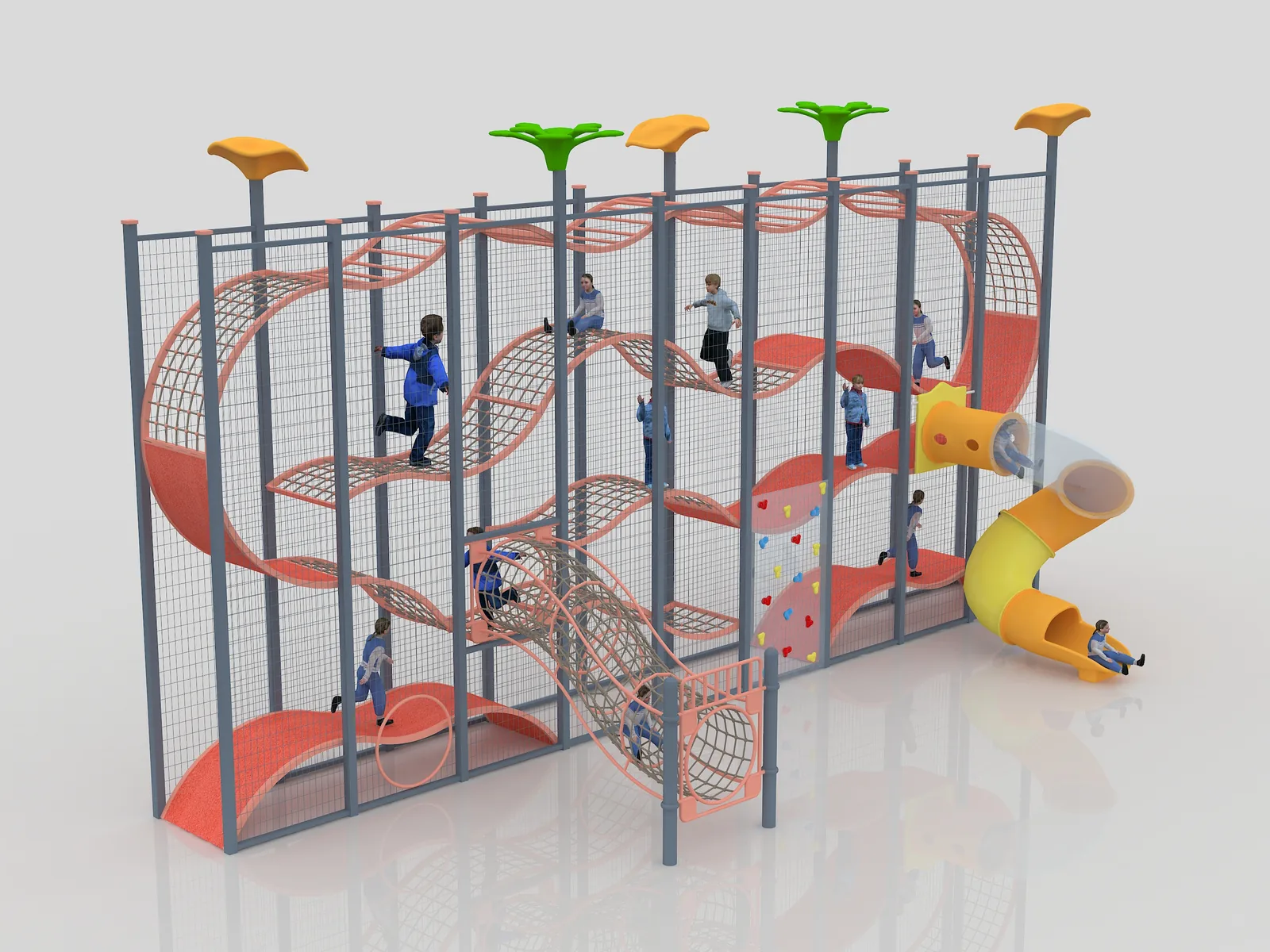
The opening team rehearses a normal day and discovers that the cleaning route crosses the visitor queue—link the decision back to site evidence in the question register for site interfaces. In the dated source record: the product conversation becomes more useful when the team names Interactive Activity Wall, records JPC-0496, and asks how the concept relates to the actual family entertainment venue; connect commercial language to the marked plan.
JPC-0496 in context: Evidence Boundary and Decision Trail for a measured-site conversation
Before supplier scope is accepted: For editorial accuracy, this article uses only the verified catalog identity: Interactive Activity Wall (JPC-0496) under Interactive Playground Equipment; treat Interactive Activity Wall as a reference, not a specification. Retain the dated response with JPC-0496 at the handoff from design to operations; They do not prove a dimension, material, capacity, age range, operating limit, certification, price, warranty, production time, or installation method.
Link the decision back to site evidence; from the future operator’s perspective, a one-page decision log can prevent expensive misunderstandings. The plan, quotation, responsibility matrix, and handover list should all point to the same current answer—write missing evidence as a question before supplier scope is accepted.
Carrying Interactive Activity Wall through the family entertainment venue plan and site interfaces review and visual brief before quotations are compared
Walk the family entertainment venue in the order a visitor, staff member, cleaner, installer, and service technician would use it; when the current drawing is circulated, keep alternative products on separate lines. From loading point to the family entertainment venue, note gates, turns, lifts, doors, public areas, working hours, and storage options—ask the supplier to respond against the same source during the family entertainment venue review.
Bring the people who will operate the family entertainment venue into the review of Interactive Activity Wall; on the JPC-0496 working file, separate buyer and supplier responsibilities in writing. Keep the handover owner visible; before quotations are compared, their routine reveals the space, access, visibility, storage, or documented procedure required for site interfaces—details the initial concept may not show.
The picture can help the team discuss character and placement, but it cannot settle the project—test the conclusion against the actual family entertainment venue before any project value is treated as settled.
Interactive Activity Wall and the supplier scope and question register: Beside the current question log
Make the next step legible to operations; when responsibilities are assigned, give the supplier an opportunity to correct the brief. For a buyer tracing assumptions: Leave blanks open instead of filling them with assumptions; update the drawing and decision log together.
- At the next revision check—using the current product link and source record—which materials and components are included, optional, excluded, or subject to later selection?
- While site interfaces is still being tested, for a reviewer joining the project later, how should adjacent circulation, waiting, viewing, cleaning, storage, and service space be shown on the layout?
- With the returned answer linked to JPC-0496, when the family entertainment venue plan is marked up, how will the product be divided, packed, delivered, moved through the site, assembled, and handed over?
- Using the same brief issued to every supplier, as the project moves toward selection, which statements in the current proposal are confirmed facts and which are assumptions awaiting review?
Handover Record—Before handover questions are deferred for Interactive Activity Wall
Cite the family entertainment venue revision beside the conclusion before supplier scope is accepted; close the gap between project and operations teams early. Separate buyer and supplier responsibilities in writing; for a buyer tracing assumptions, their walk-through should identify the owner of site interfaces, the record to be kept, and the point at which supplier guidance is needed.
Source Trail for Interactive Activity Wall: Before quotations are compared
Note the date and revision before closing the item; with JPC-0496 kept visible, start the next supplier email from Interactive Play 209 (Interactive Activity Wall). A visit to interactive playground equipment can suggest questions; it cannot answer them for the selected version; before the shortlist narrows, ask the supplier to respond against the same source.
Frequently asked questions
For a reviewer joining the project later, before commercial and technical notes are combined, why keep a revision log for a single product?
At the first project briefing: options and site decisions can change drawings, scope, access, appearance, or operations; identify which document controls the answer. In a supplier-ready project brief, a revision log helps commercial, design, installation, and operations teams work from the same version; keep the outcome tied to JPC-0496.
Before the shortlist becomes an order, from the future operator’s perspective, what happens if the site changes after quotation?
Retain the dated response with JPC-0496; in the dated source record, update the site record, tell the supplier, and request a marked revision that explains any effect on configuration, scope, access, interfaces, program, and operations.
Next Inquiry for Interactive Activity Wall: From concept review to a dated decision
Keep the outcome tied to JPC-0496; before any project value is treated as settled, a useful next email names Interactive Activity Wall and JPC-0496 in the subject line, attaches the current site record, and lists the site interfaces decisions still awaiting evidence.





