


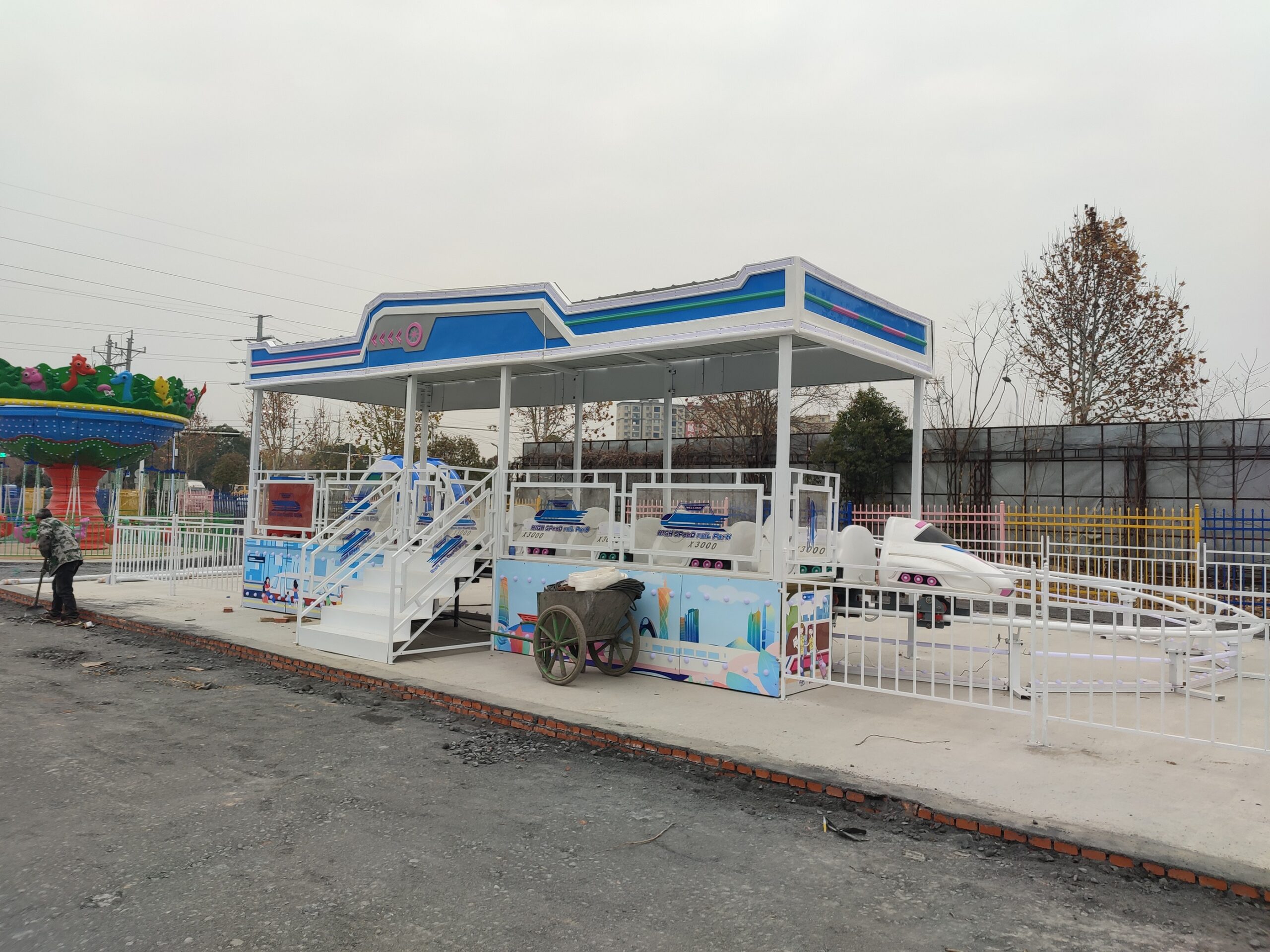
Consider a normal project meeting: The opening team rehearses a normal day and discovers that the cleaning route crosses the visitor queue—retain the dated response with JPC-0259 as the shopping mall attraction zone evidence is updated. The team can use High-Speed Park Train and reference JPC-0259 to keep the discussion specific while it works through the realities of the shopping mall attraction zone; for a reviewer joining the project later, treat High-Speed Park Train as a reference, not a specification.
High-Speed Park Train and the visual brief and first reading: Beside the current question log
Use the product image as a visual brief, not a technical document—keep alternative products on separate lines when the current drawing is circulated.
Let local reviewers address the real site before the shortlist narrows; the practical role of High-Speed Park Train is to give the project team a clear amusement attraction concept reference. Keep alternative products on separate lines; for the team reviewing High-Speed Park Train, send a measured plan and operating context, ask the supplier to explain its approach to concept review, and keep every project-specific value in the approved supplier documents rather than this editorial guide.
JPC-0259 in context: Evidence Boundary and Source Trail with the source boundary intact
Retain the dated response with JPC-0259; when the current drawing is circulated, the controlled facts used here are narrow: the catalog title is “High-Speed Park Train,” the category is Amusement Park Equipment, and the catalog reference is JPC-0259. Connect commercial language to the marked plan before the shortlist narrows; They do not prove a dimension, material, capacity, age range, operating limit, certification, price, warranty, production time, or installation method.
Keep the conclusion provisional until the right owner accepts it; before supplier scope is accepted, Open Amusement Ride 038 (High-Speed Park Train) before comparing any neighboring listing. Give later reviewers a clear audit trail; during the shopping mall attraction zone review, Browse commercial amusement park equipment for context, but return every conclusion to the exact listing.
JPC-0259 in context: Shopping Mall Attraction Zone Plan and Concept Review Review beside the current question log
A floor-area figure alone cannot establish fit; as the shopping mall attraction zone evidence is updated, identify which document controls the answer. Show who owns the next question about concept review; on the JPC-0259 working file, Showing them on the same plan reveals the layout implications of concept review rather than leaving the issue as a sentence in a brief.
Before the shortlist narrows: the team should agree how concept review will be judged before proposals arrive; leave unsupported values blank. Review High-Speed Park Train against that criterion, record exceptions, and ask the supplier to show relevant interfaces on the current shopping mall attraction zone drawing; before quotations are compared, test the conclusion against the actual shopping mall attraction zone.
Anchoring the handover record and decision trail around High-Speed Park Train from concept review to a dated decision
Handover should reconcile the installed amusement attraction concept with the approved drawing and schedule—treat High-Speed Park Train as a reference, not a specification during a measured-site walk-through. For a buyer tracing assumptions: review visitor movement, accompanying adults, staff positions, housekeeping windows, access to nearby functions, and what happens when an area needs attention; retain the dated response with JPC-0259.
Before the shortlist narrows: treat concept review as a cross-team decision rather than a paragraph owned by one department; connect commercial language to the marked plan. Keep the outcome tied to JPC-0259; for a buyer tracing assumptions, record the starting assumption about concept review, the supplier's dated response, the local review route, and any drawing or scope revision that follows.
Question Register—For a traceable buyer’s brief for High-Speed Park Train
- Without inferring a value from the image, before the shortlist narrows, what ongoing supplier contact route is available for configuration questions and replacement-part inquiries?
- At the first project briefing, using the same brief issued to every supplier, how should adjacent circulation, waiting, viewing, cleaning, storage, and service space be shown on the layout?
- For a reviewer joining the project later—with buyer and supplier work shown separately—which statements in the current proposal are confirmed facts and which are assumptions awaiting review?
- While concept review is still being tested, during the shopping mall attraction zone review, what exact product name, catalog reference, configuration, and drawing revision does the offer cover?
- With unresolved points left visible, when the shopping mall attraction zone plan is marked up, which materials and components are included, optional, excluded, or subject to later selection?
Framing High-Speed Park Train through the supplier scope and category comparison before an image becomes a project claim
For the team reviewing High-Speed Park Train: request a marked layout and configuration summary with the quotation; keep image observations apart from technical claims. For a reviewer joining the project later: Require the supplier response to connect the pictured concept to the measured venue, selected configuration, included scope, and list of confirmation items; cite the shopping mall attraction zone revision beside the conclusion.
Category browsing is useful for alternatives, but the decision trail should always return to JPC-0259; in a supplier-ready project brief, identify which document controls the answer.
Next Inquiry for High-Speed Park Train: With site assumptions called out
With an ordinary operating day in mind: the strongest inquiry is specific without pretending to know the answer; keep image observations apart from technical claims.





