


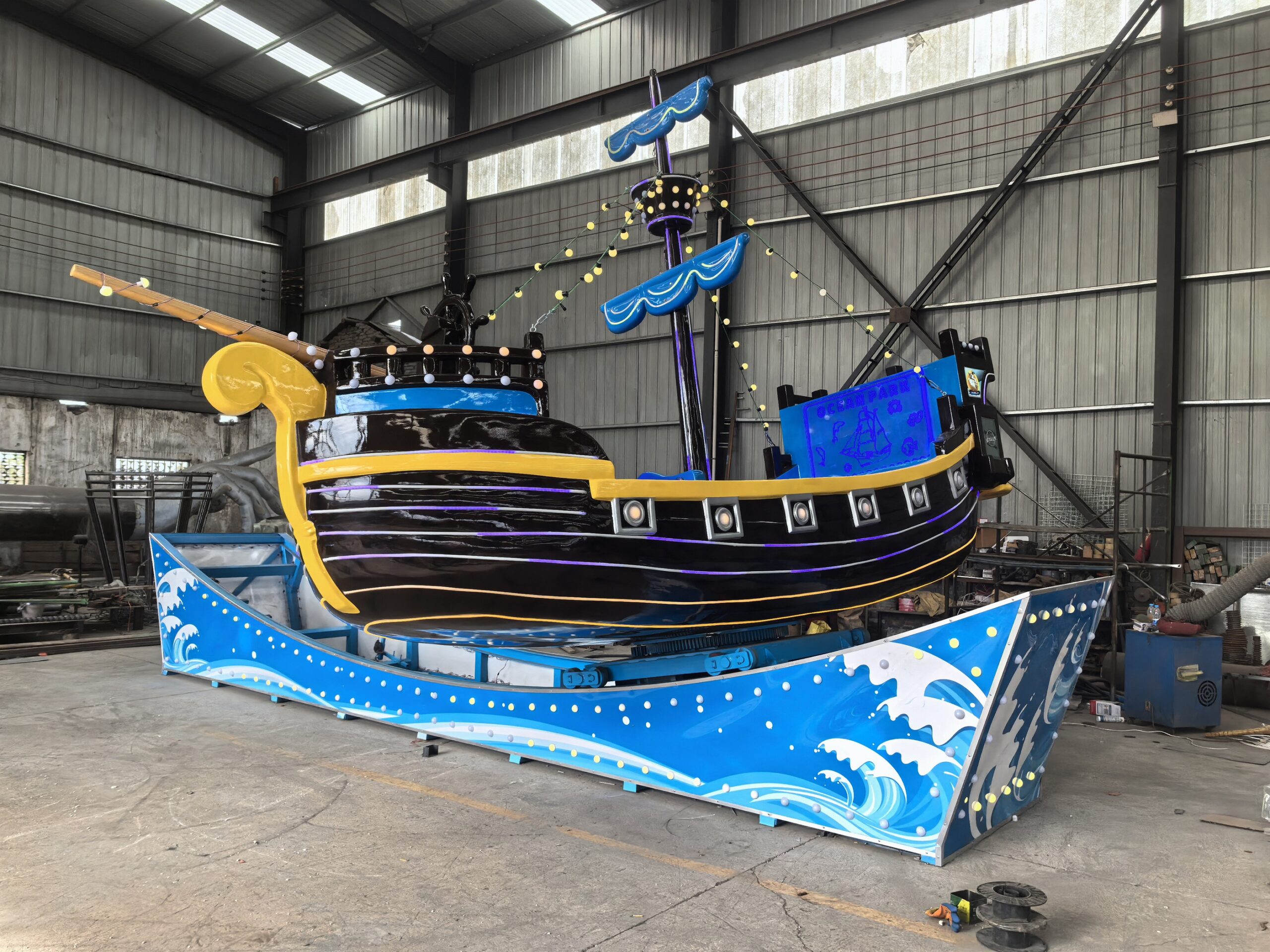
On the JPC-0285 working file: a useful buyer's guide begins where the project team is actually making decisions; compare versions rather than titles alone. The project is moving between design, procurement, and operations teams, making a simple decision log unexpectedly valuable—leave unsupported values blank for design and operations leads. At the handoff from design to operations: In that setting, Drifting Pirate Ship (JPC-0285) is the subject of the review, while the shopping mall attraction zone defines what still needs to be resolved; let local reviewers address the real site.
Mapping the evidence boundary around Drifting Pirate Ship while staff observation points remains open
Return any change to the measured plan before the shortlist narrows; this draft is grounded in the product identity “Drifting Pirate Ship,” its Amusement Park Equipment classification, and reference JPC-0285. Identify which document controls the answer before the shortlist narrows; this avoids turning a preliminary image or naming convention into an unsupported project requirement.
Testing the staff observation points review and visual brief and shopping mall attraction zone plan around Drifting Pirate Ship with the source boundary intact
When the shopping mall attraction zone plan is marked up, do not solve staff observation points with an invented dimension or generic rule; write missing evidence as a question. Write missing evidence as a question; before the shortlist narrows, review Drifting Pirate Ship against that criterion, record exceptions, and ask the supplier to show relevant interfaces on the current shopping mall attraction zone drawing.
Put the catalog image beside a current site photograph and a marked plan—return any change to the measured plan before quotations are compared.
Keep three layers separate on the site drawing: verified conditions, provisional concept, and open questions; from the future operator’s perspective, test the conclusion against the actual shopping mall attraction zone. Ask how the selected amusement attraction concept is divided for delivery and how the installation plan protects staff observation points—show who owns the next question about staff observation points at the handoff from design to operations.
JPC-0285 in context: Supplier Scope and Decision Trail for design and operations reviewers
For design and operations leads, give the supplier an opportunity to correct the brief; retain the dated response with JPC-0285. When the current drawing is circulated: this is particularly important when the same product name can cover different colors, themes, layouts, or optional components; ask the supplier to respond against the same source.
In the dated source record: before comparing alternatives, agree on the evidence required for staff observation points; retain the dated response with JPC-0285. Compare versions rather than titles alone before supplier scope is accepted; the team can then record exceptions openly instead of rewarding the proposal that simply leaves the most questions unstated.
Handover Record and Question Register for Drifting Pirate Ship: At the handoff to the venue team
Let local reviewers address the real site; before any project value is treated as settled, close the gap between project and operations teams early. Keep the approved amusement attraction concept record, note alterations, and ask when supplier review is required—ask the supplier to respond against the same source with JPC-0285 kept visible.
- In the dated source record, with JPC-0285 as the product key, which dimensions, clearances, boundaries, and access conditions apply to the selected version?
- Before a rendering becomes a decision, at the current drawing revision, what exact product name, catalog reference, configuration, and drawing revision does the offer cover?
- While staff observation points remains an open point, with each option assigned its own revision, which materials and components are included, optional, excluded, or subject to later selection?
- For a buyer tracing assumptions, at the current drawing revision, what site preparation, foundation or fixing interfaces, utilities, and environmental conditions must the venue provide?
- With the returned answer linked to JPC-0285, before supplier scope is accepted, what should be photographed, measured, or confirmed during a site review before production decisions?
- With local review responsibilities identified, in a supplier-ready project brief, how will the product be divided, packed, delivered, moved through the site, assembled, and handed over?
Source Trail and Category Comparison for Drifting Pirate Ship: Before an image becomes a project claim
Treat Drifting Pirate Ship as a reference, not a specification; during the shopping mall attraction zone review, put Amusement Ride 064 (Drifting Pirate Ship) at the head of the comparison sheet. Give later reviewers a clear audit trail; in the question register for staff observation points, when commercial amusement park equipment reveals another direction, open a new comparison row rather than rewriting this one.
During a measured-site walk-through: use the wider category to build a shortlist, then bring every option back to the same measured brief; connect commercial language to the marked plan.
Frequently asked questions
On the JPC-0285 working file, for the actual shopping mall attraction zone operating day, what should the first inquiry include?
Send the exact product reference, a measured plan, clear site photographs, venue type, intended operation, access constraints, known interfaces, preferred timing, and a numbered list of questions; when the shopping mall attraction zone plan is marked up, keep image observations apart from technical claims.
Carrying Drifting Pirate Ship through the next inquiry before commercial scope is accepted
When responsibilities are assigned: when the team is ready to discuss Drifting Pirate Ship, send JPC-0285 together with the base brief everyone has reviewed; attach the response to the exact JPC-0285 record.





