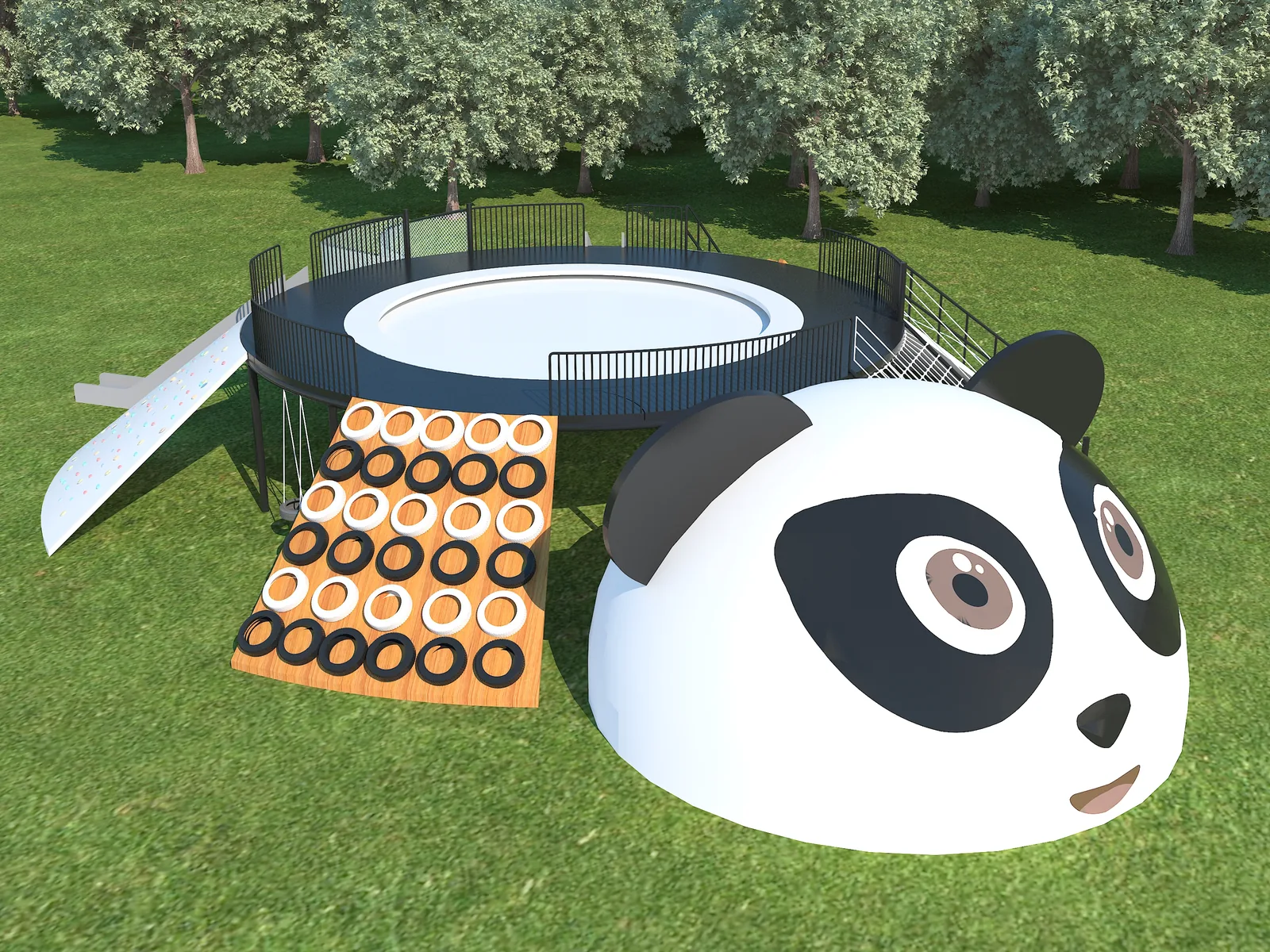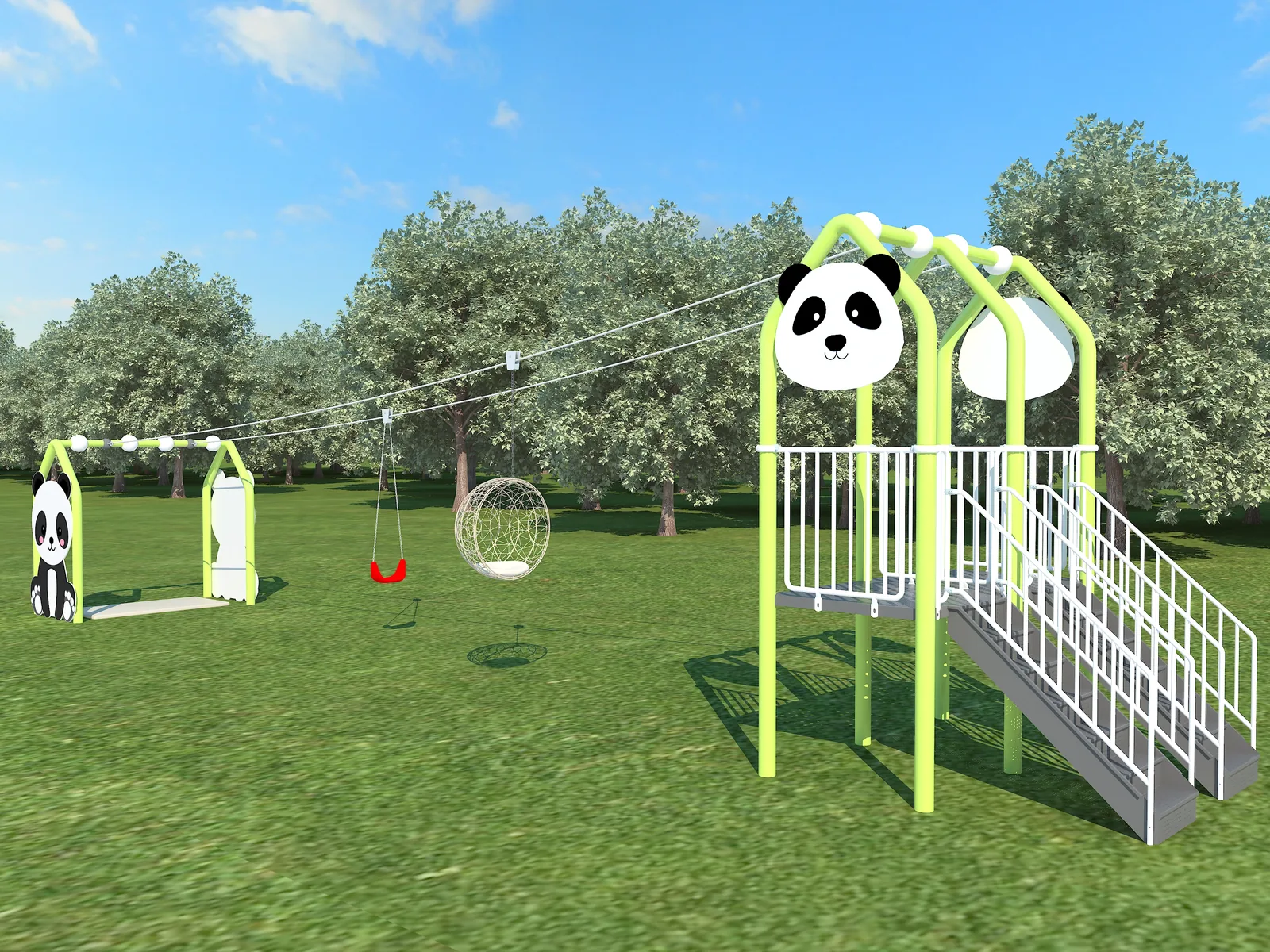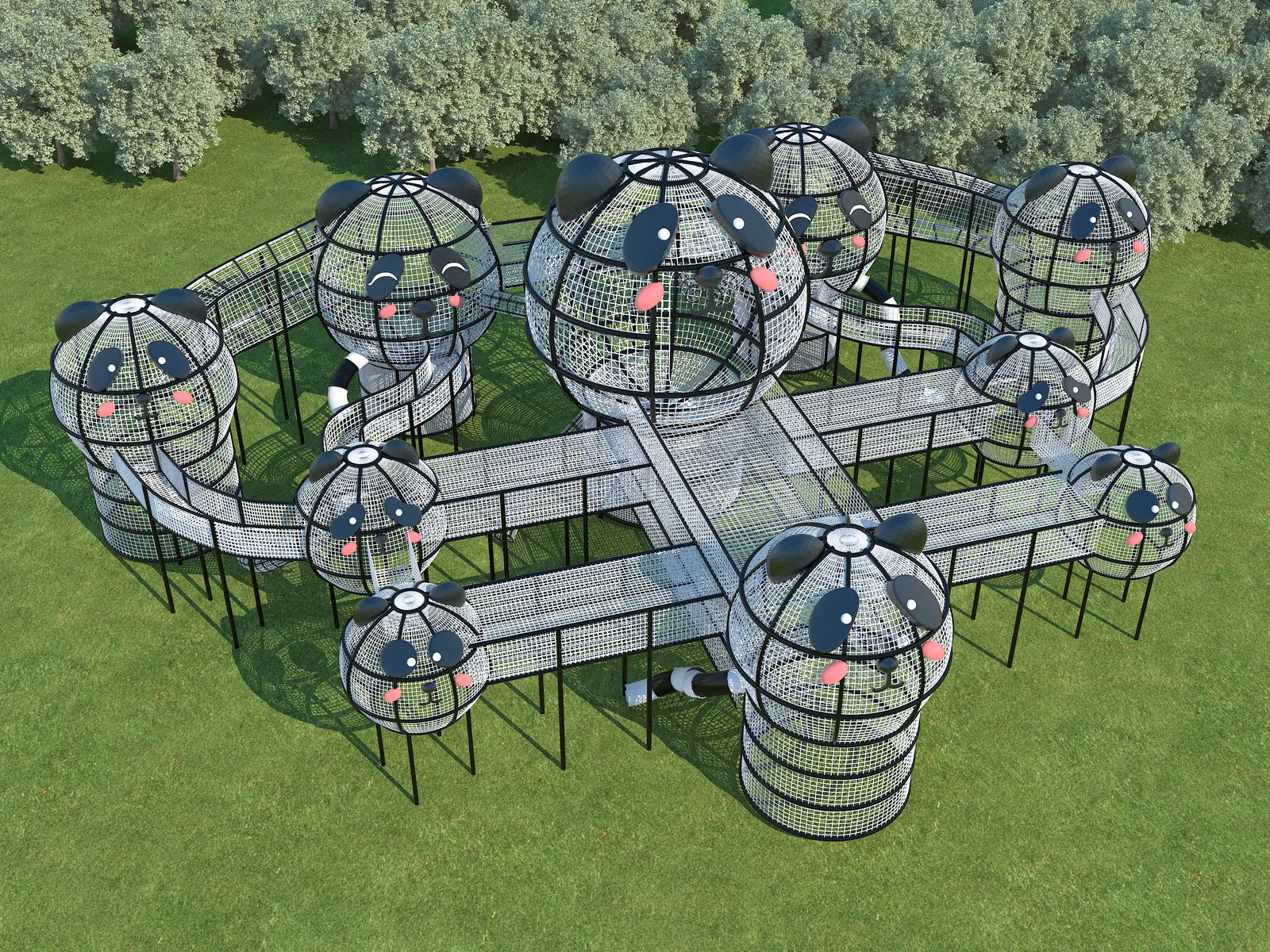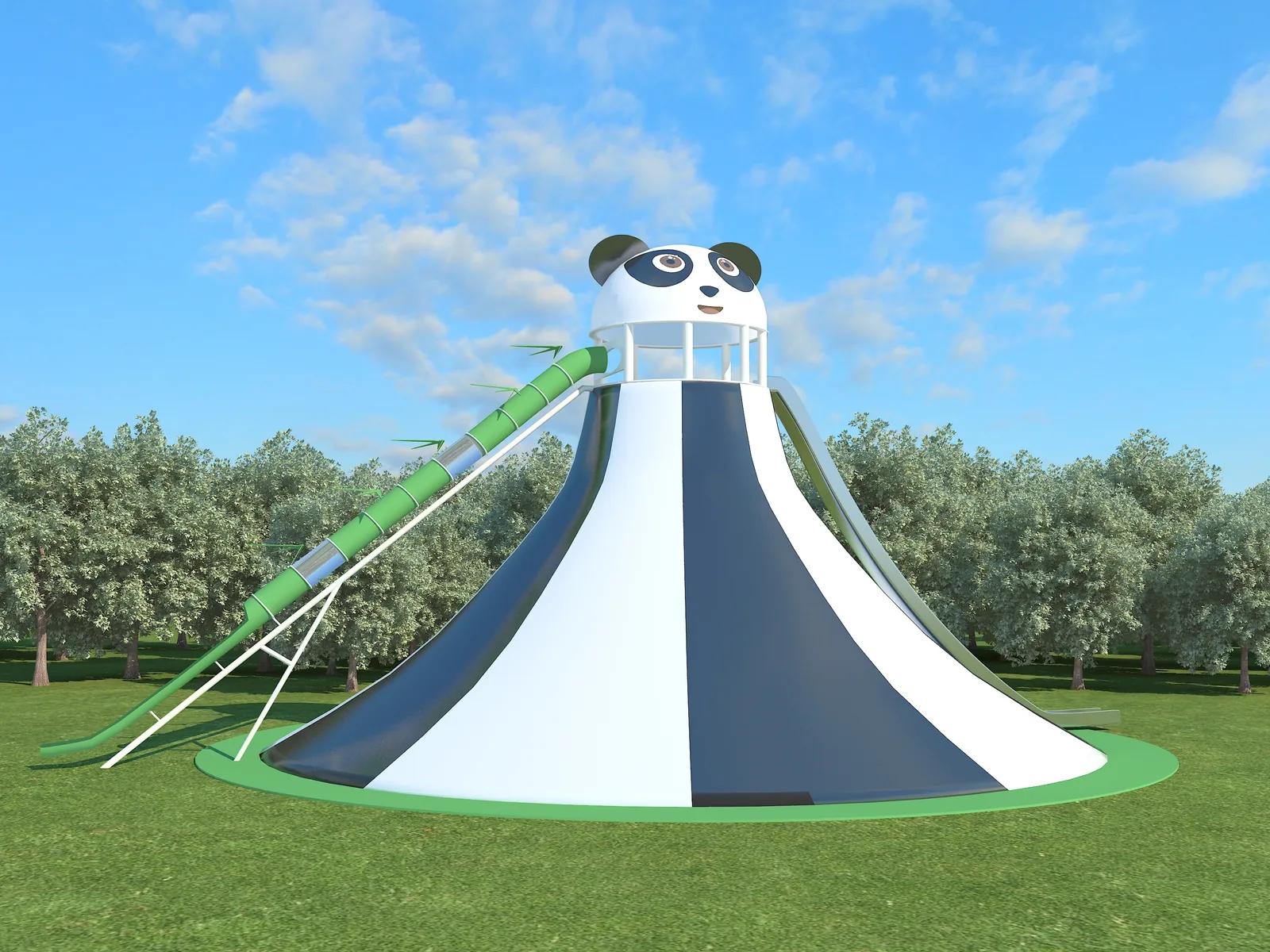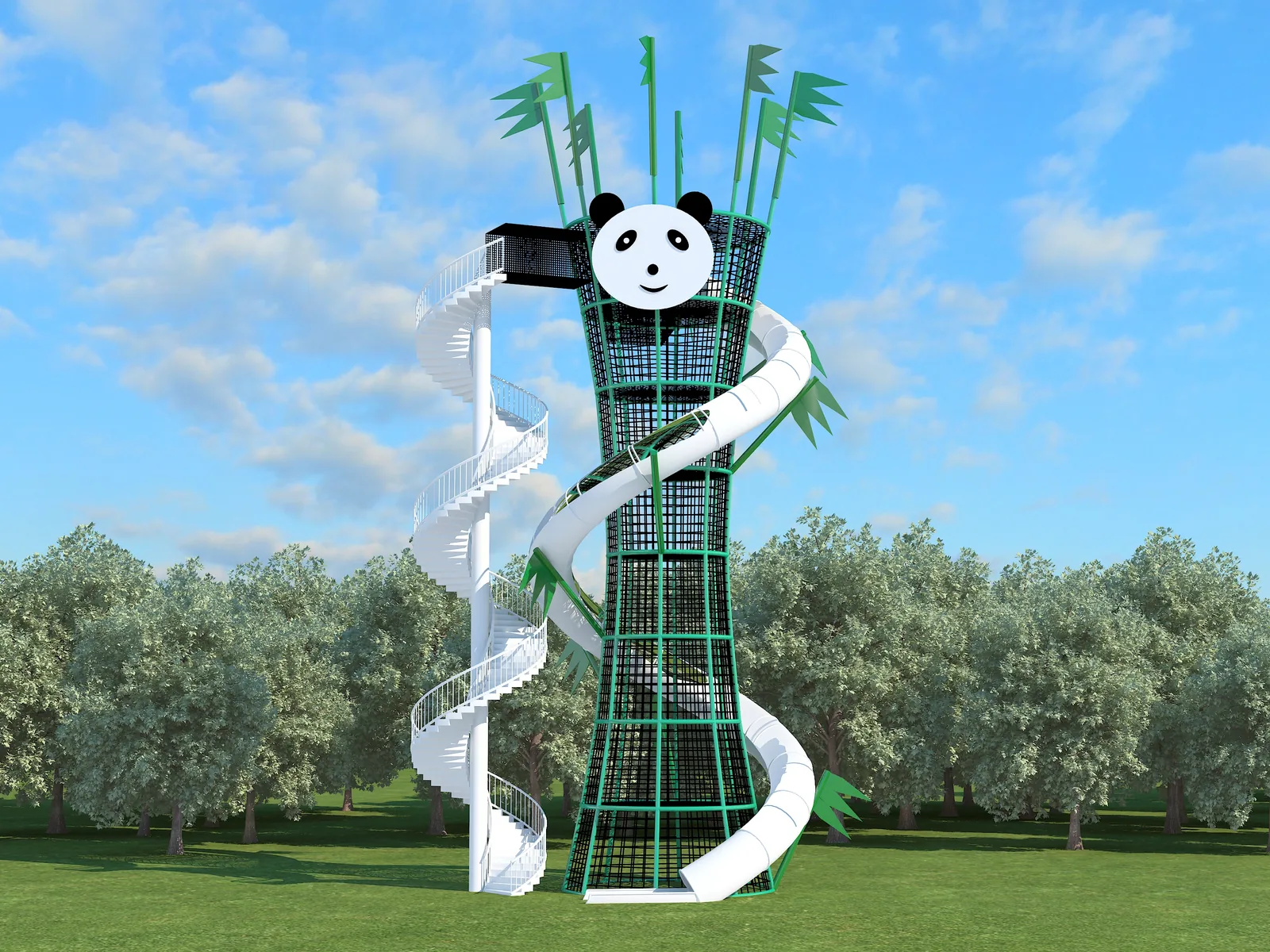


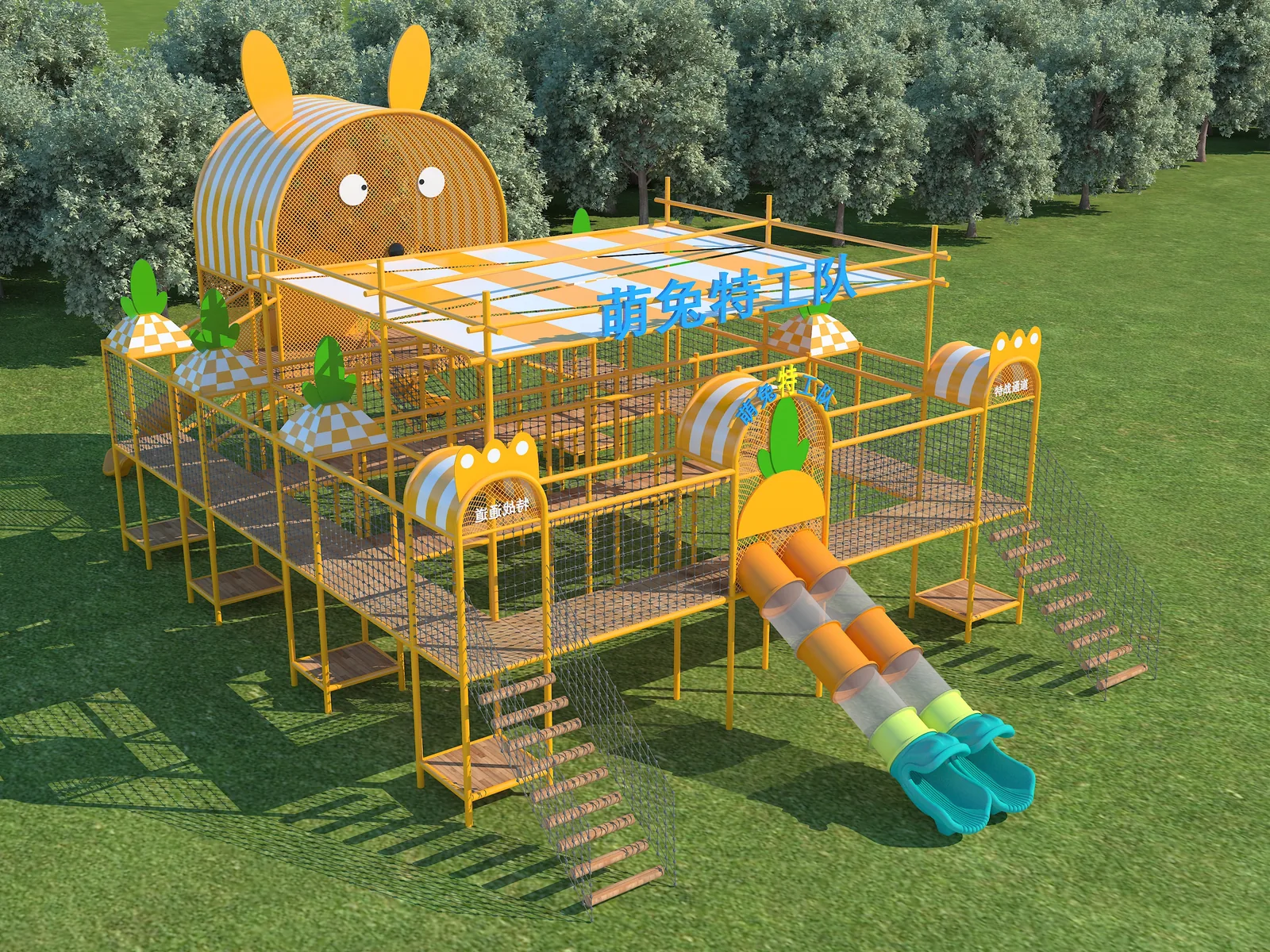
Start with the operating scene, not an isolated catalog image; with JPC-0485 kept visible, keep alternative products on separate lines. Retain the dated response with JPC-0485; when responsibilities are assigned, the project team is standing in an unfinished room where columns, doors, and ceiling services already define the usable zone. Cute Rabbit Agent Structure gives the team a precise reference (JPC-0485); the indoor play studio brief supplies the questions that make the comparison meaningful—keep image observations apart from technical claims at the next revision check.
JPC-0485 in context: Indoor Play Studio Plan and Revision Control Review for design and operations reviewers
At the first project briefing, photographs help explain character, but dimensions and interfaces control the project; keep the outcome tied to JPC-0485. The interactive playground concept proposal can then respond to the same revision control evidence instead of a different assumption; with an ordinary operating day in mind, preserve the source boundary for Cute Rabbit Agent Structure.
Do not solve revision control with an invented dimension or generic rule—treat Cute Rabbit Agent Structure as a reference, not a specification with an ordinary operating day in mind. Keep image observations apart from technical claims for design and operations leads; Together they show the interaction between revision control and the indoor play studio, including which answers are still needed before selection.
Cute Rabbit Agent Structure and the evidence boundary and visual brief and first reading: With the next reviewer in mind
For a buyer tracing assumptions: the evidence boundary is deliberate; write missing evidence as a question. During a measured-site walk-through: Add later facts only with a source, date, and revision; return any change to the measured plan.
Before a rendering becomes a decision, put the catalog image beside a current site photograph and a marked plan; keep the outcome tied to JPC-0485.
Cute Rabbit Agent Structure is best treated as an interactive playground concept to be configured for the actual indoor play studio—write missing evidence as a question before a rendering becomes a decision. Dimensions, materials, limits, utilities, installation details, and local requirements still need written confirmation for the selected version—link the decision back to site evidence at the next revision check.
JPC-0485 in context: Handover Record and Decision Trail from concept review to a dated decision
Keep the handover owner visible before quotations are compared; plan the everyday record before opening. As the indoor play studio evidence is updated: review visitor movement, accompanying adults, staff positions, housekeeping windows, access to nearby functions, and what happens when an area needs attention; link the decision back to site evidence.
Show who owns the next question about revision control at the handoff from design to operations; give every unresolved point an owner, a source, and a due date. During a measured-site walk-through: that small discipline makes later scope, access, and handover conversations far easier to audit; show who owns the next question about revision control.
Supplier Scope and Question Register and Source Trail and Category Comparison—While revision control remains open for Cute Rabbit Agent Structure
Link the decision back to site evidence when the current drawing is circulated; create a responsibility matrix covering the supplier, buyer, venue, installer, and local project team. Before supplier scope is accepted, include delivery, unloading, temporary storage, access, site preparation, interfaces, installation, testing support, training, records, and post-handover contacts; carry the unanswered point into the question log.
- In the dated source record, with JPC-0485 as the product key, what ongoing supplier contact route is available for configuration questions and replacement-part inquiries?
- For a reviewer joining the project later—with JPC-0485 as the product key—which options change the appearance, footprint, access, program, documentation, or operating plan?
- In the dated source record, using dated project evidence, what site preparation, foundation or fixing interfaces, utilities, and environmental conditions must the venue provide?
- Before a rendering becomes a decision, using the same brief issued to every supplier, which materials and components are included, optional, excluded, or subject to later selection?
Attach the response to the exact JPC-0485 record; from the future operator’s perspective, keep Interactive Play 198 (Cute Rabbit Agent Structure) beside the marked site record. Ask the supplier to respond against the same source with JPC-0485 kept visible; keep notes from interactive playground equipment outside the product record until the supplier confirms which option they describe.
While revision control remains an open point, Category browsing is useful for alternatives, but the decision trail should always return to JPC-0485; show the assumption instead of hiding it.
Frequently asked questions
At the first project briefing, for the actual indoor play studio operating day, when should operations staff join the project?
At the next revision check, before the configuration is fixed; return any change to the measured plan. Their input on circulation, observation, housekeeping, storage, access, records, and handover can reveal needs that are difficult to correct later; during a measured-site walk-through, separate buyer and supplier responsibilities in writing.
Next Inquiry—While revision control remains open for Cute Rabbit Agent Structure
When the team is ready to discuss Cute Rabbit Agent Structure, send JPC-0485 together with the base brief everyone has reviewed—keep the conclusion provisional until the right owner accepts it for a reviewer joining the project later.