


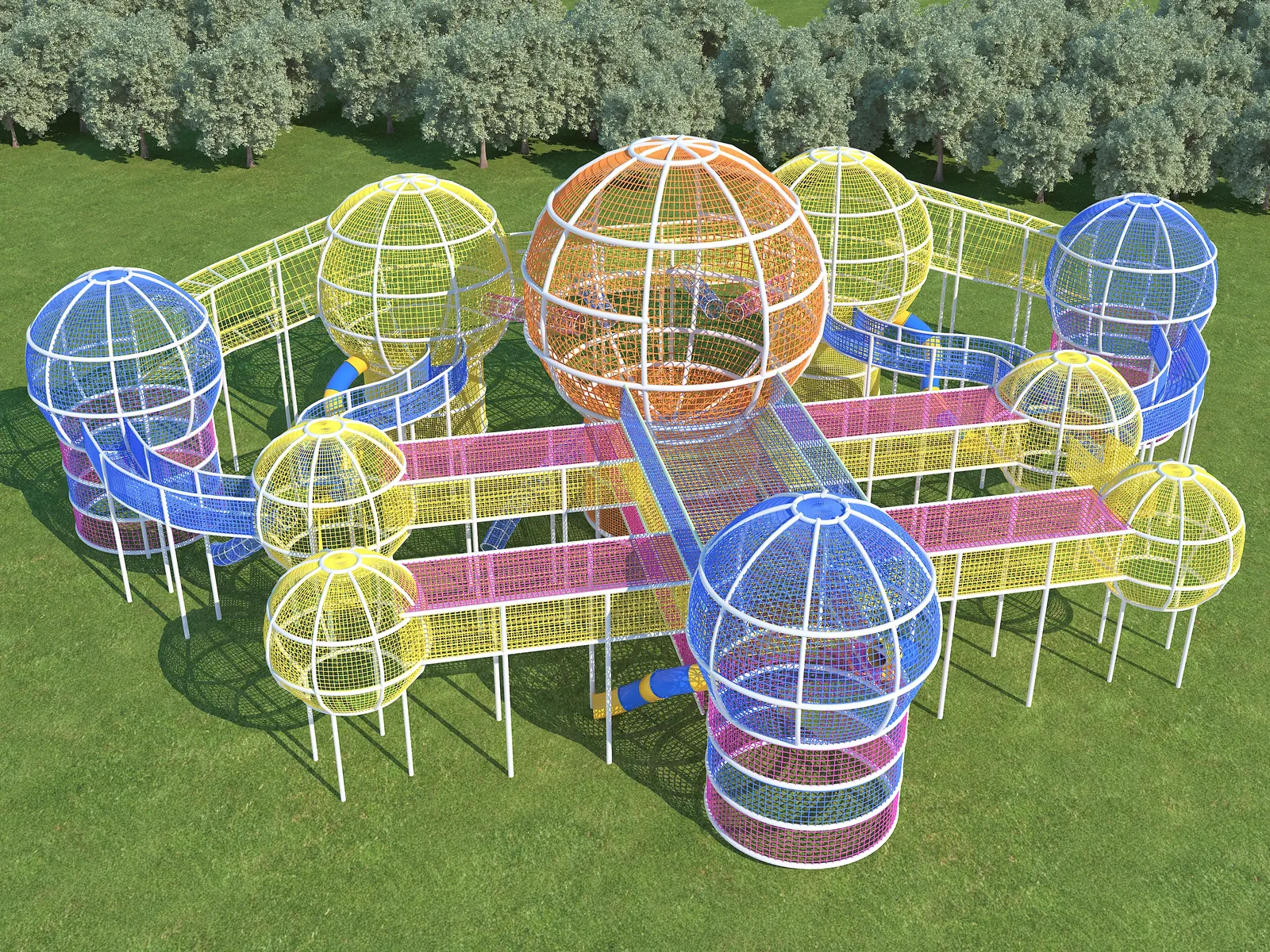
A useful buyer's guide begins where the project team is actually making decisions; when responsibilities are assigned, test the conclusion against the actual school recreation space. A maintenance lead joins the concept meeting early and asks how staff will reach every routine service point later; for a buyer tracing assumptions, let local reviewers address the real site. In that setting, Colorful Planet Structure (JPC-0316) is the subject of the review, while the school recreation space defines what still needs to be resolved—note the date and revision before closing the item in a supplier-ready project brief.
Carrying the evidence boundary and first reading around Colorful Planet Structure without guessing at specifications
Reference JPC-0316 links this article to Colorful Planet Structure in Interactive Playground Equipment—leave unsupported values blank before a rendering becomes a decision. Keep the outcome tied to JPC-0316; with an ordinary operating day in mind, this avoids turning a preliminary image or naming convention into an unsupported project requirement.
For a school recreation space, Colorful Planet Structure can anchor an early concept discussion, but it is not a finished specification—retain the dated response with JPC-0316 when the school recreation space plan is marked up. As the school recreation space evidence is updated, a useful school recreation space inquiry states the physical constraints, visitor journey, buyer inquiry quality, documentation needs, and questions that cannot be answered from a photograph; note the date and revision before closing the item.
Colorful Planet Structure and the buyer inquiry quality review and school recreation space plan: With responsibilities made visible
Before quotations are compared: treat buyer inquiry quality as a shared task between design, commercial, and operations teams; compare versions rather than titles alone. While buyer inquiry quality remains an open point: a short, explicit record is more useful than a confident assumption hidden in a rendering; connect commercial language to the marked plan.
Compare versions rather than titles alone for a reviewer joining the project later; photographs help explain character, but dimensions and interfaces control the project. Show the assumption instead of hiding it; as the school recreation space evidence is updated, For the school recreation space, map waiting, viewing, staff movement, housekeeping, and access to nearby uses.
Supplier Scope and Decision Trail for Colorful Planet Structure: For a measured-site conversation
Ask the supplier to respond against the same source; at the next revision check, request a marked layout and configuration summary with the quotation. During the school recreation space review: a clear revision trail makes later handover and troubleshooting much easier; preserve the source boundary for Colorful Planet Structure.
Separate buyer and supplier responsibilities in writing; as the project moves toward selection, give every unresolved point an owner, a source, and a due date. When a supplier answer changes the team's understanding of buyer inquiry quality, revise the marked plan and decision log together so later reviewers can follow the reasoning—show who owns the next question about buyer inquiry quality at the handoff from design to operations.
Handover Record and Question Register for Colorful Planet Structure: From catalog view to controlled record
The final pre-opening review should distinguish completed work, accepted documents, staff actions, and unresolved items; before quotations are compared, make the next step legible to operations. At the handoff from design to operations: keep the approved interactive playground concept record, note alterations, and ask when supplier review is required; update the drawing and decision log together.
- Before any project value is treated as settled, before the shortlist becomes an order, how are revisions identified when a layout, option, component, or scope boundary changes?
- With Colorful Planet Structure kept separate from alternatives, while buyer inquiry quality remains an open point, how will the product be divided, packed, delivered, moved through the site, assembled, and handed over?
- With each option assigned its own revision, for a reviewer joining the project later, what exact product name, catalog reference, configuration, and drawing revision does the offer cover?
- From the future operator’s perspective—with buyer and supplier work shown separately—what ongoing supplier contact route is available for configuration questions and replacement-part inquiries?
- With JPC-0316 kept visible—before the shortlist becomes an order—what local review or approval inputs are expected from the buyer's project team?
Source Trail—Before the shortlist narrows for Colorful Planet Structure
With an ordinary operating day in mind: keep Interactive Play 029 (Colorful Planet Structure) beside the marked site record; write missing evidence as a question. The broader interactive playground equipment view belongs in research, while the exact listing belongs in the controlled brief; during a measured-site walk-through, retain the dated response with JPC-0316.
Frequently asked questions
In a supplier-ready project brief, against the measured school recreation space record, how should two supplier quotations be compared?
At the next revision check: Issue the same base brief to both suppliers, then compare configuration, revision, inclusions, exclusions, interfaces, responsibilities, documents, options, and unresolved questions—not price alone; link the decision back to site evidence.
During a measured-site walk-through—against the measured school recreation space record—does customization remove the need for site measurement?
In the dated source record, no: customization makes accurate site information more important; update the drawing and decision log together. The supplier needs a reliable base record to explain how the proposed version responds to constraints and interfaces; at the next revision check, update the drawing and decision log together.
JPC-0316 in context: Next Inquiry while alternatives stay on separate records
On the JPC-0316 working file: close the research loop with a product-specific conversation; retain the dated response with JPC-0316.





