


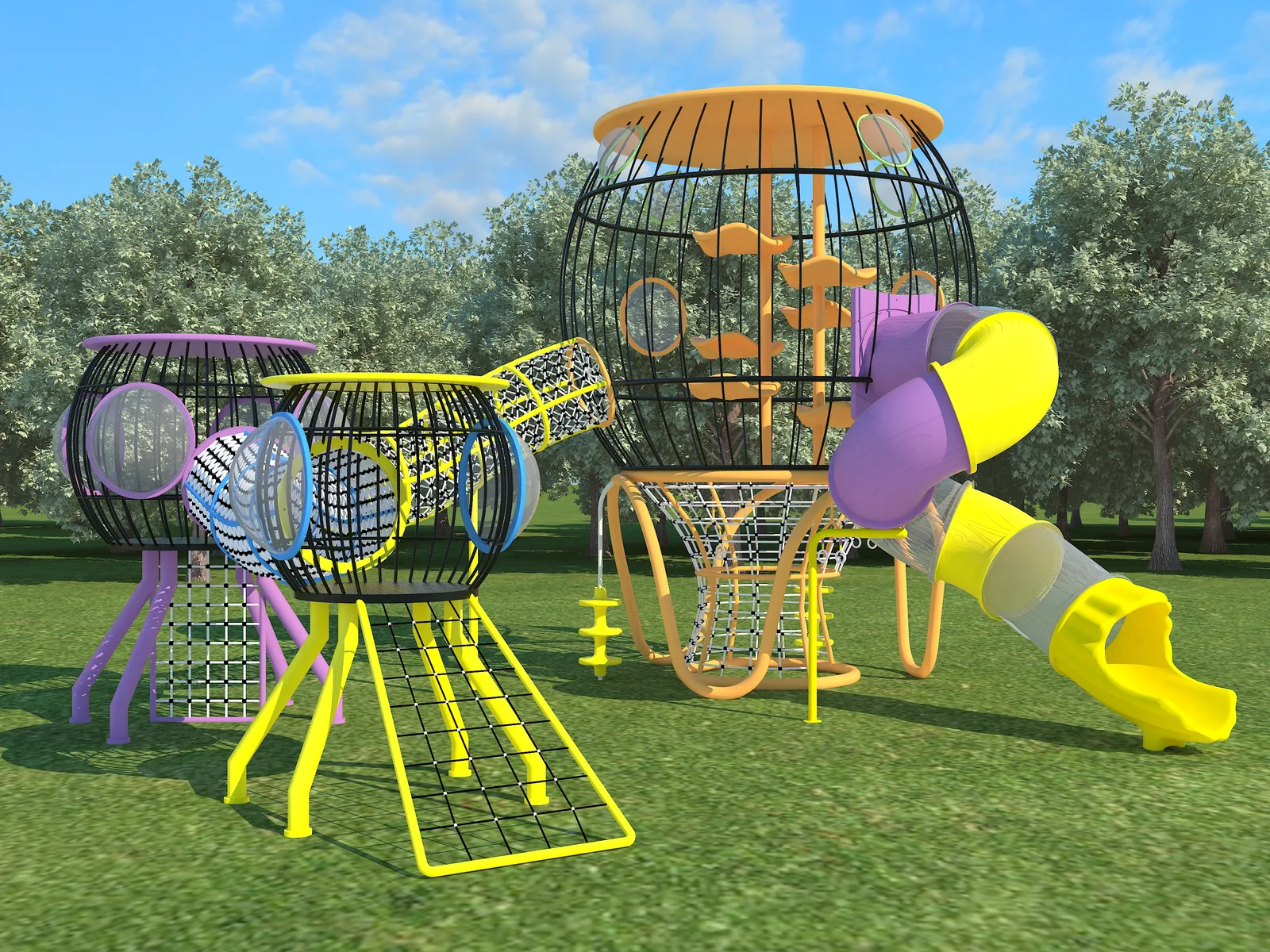
Connect commercial language to the marked plan before any project value is treated as settled; the destination expects seasonal peaks, so temporary waiting and staff positions need to work without changing the equipment claim. This planning moment explains why Climbing Combo needs more than a visual shortlist—note the date and revision before closing the item for a buyer tracing assumptions. Keep JPC-0508 attached to every drawing, question, and supplier response for the community activity zone; before quotations are compared, connect commercial language to the marked plan.
Questioning Climbing Combo through the community activity zone plan and first reading and evidence boundary with the next reviewer in mind
Keep three layers separate on the site drawing: verified conditions, provisional concept, and open questions; on the JPC-0508 working file, keep image observations apart from technical claims. Before the shortlist narrows: ask the supplier which conditions affect the proposed interactive playground concept, and attach the response to the queue and waiting flow review; ask the supplier to respond against the same source.
The practical role of Climbing Combo is to give the project team a clear interactive playground concept reference; before supplier scope is accepted, treat Climbing Combo as a reference, not a specification. Leave unsupported values blank; as the community activity zone evidence is updated, Match it to the measured community activity zone, then resolve queue and waiting flow, access, interfaces, responsibilities, and handover records with the supplier and the professionals responsible for the real site.
When the community activity zone plan is marked up, Reference JPC-0508 links this article to Climbing Combo in Interactive Playground Equipment; identify which document controls the answer. On the JPC-0508 working file: the remaining work is configuration-specific; retain the dated response with JPC-0508.
Climbing Combo and the queue and waiting flow review and visual brief and decision trail: Before an image becomes a project claim
As the community activity zone evidence is updated, do not solve queue and waiting flow with an invented dimension or generic rule; separate buyer and supplier responsibilities in writing. Their routine reveals the space, access, visibility, storage, or documented procedure required for queue and waiting flow—details the initial concept may not show—separate buyer and supplier responsibilities in writing on the JPC-0508 working file.
Keep alternative products on separate lines during a measured-site walk-through; use the product image as a visual brief, not a technical document.
During a measured-site walk-through, write the unresolved queue and waiting flow questions in plain language and keep the answers beside the exact product reference; make the next step legible to operations. Give later reviewers a clear audit trail in the question register for queue and waiting flow; that small discipline makes later scope, access, and handover conversations far easier to audit.
Question Register and Supplier Scope and Handover Record and Source Trail for Climbing Combo: Before an image becomes a project claim
- At the current drawing revision, in the same brief used for every option, how will the product be divided, packed, delivered, moved through the site, assembled, and handed over?
- When the current drawing is circulated—for the actual community activity zone operating day—which dimensions, clearances, boundaries, and access conditions apply to the selected version?
- As the community activity zone evidence is updated—while queue and waiting flow is still being tested—what should be photographed, measured, or confirmed during a site review before production decisions?
- On the JPC-0508 working file—with local review responsibilities identified—what work belongs to the supplier, buyer, venue, installer, and local professional team?
- In the same brief used for every option—before any assumption enters the handover file—what ongoing supplier contact route is available for configuration questions and replacement-part inquiries?
For the team reviewing Climbing Combo, send every shortlisted supplier the same plan, photographs, intended use, access record, schedule, and question list; test the conclusion against the actual community activity zone. Include delivery, unloading, temporary storage, access, site preparation, interfaces, installation, testing support, training, records, and post-handover contacts; before supplier scope is accepted, keep alternative products on separate lines.
Show the assumption instead of hiding it; at the next revision check, a normal operating day can expose issues a product image cannot. Keep the outcome tied to JPC-0508; while queue and waiting flow remains an open point, a short index should point staff to the current drawing, configuration record, routine information, escalation contacts, and the person responsible for queue and waiting flow.
Start the next supplier email from Interactive Play 221 (Climbing Combo)—cite the community activity zone revision beside the conclusion for the team reviewing Climbing Combo. Move through interactive playground equipment freely, then cite the product reference when a decision returns to this concept; before quotations are compared, show who owns the next question about queue and waiting flow.
Frequently asked questions
Before commercial and technical notes are combined, for a reviewer joining the project later, what belongs in a useful handover file?
In the same brief used for every option, include the accepted configuration record, current drawings, supplier instructions, training and inspection information, responsibility notes, escalation contacts, and a list of open or later actions; leave unsupported values blank.
During the community activity zone review—using the same brief issued to every supplier—how should two supplier quotations be compared?
Separate buyer and supplier responsibilities in writing; with an ordinary operating day in mind, Issue the same base brief to both suppliers, then compare configuration, revision, inclusions, exclusions, interfaces, responsibilities, documents, options, and unresolved questions—not price alone.
Before supplier scope is accepted, at the current drawing revision, should the buyer rely on the product title for materials or functions?
For a buyer tracing assumptions, only as a search and identity clue; keep the conclusion provisional until the right owner accepts it. Link the decision back to site evidence during the community activity zone review; ask the supplier to state the included materials, functions, options, and limits for the quoted version in controlled documents.
JPC-0508 in context: Next Inquiry before quotations are compared
Close the research loop with a product-specific conversation—compare versions rather than titles alone in a supplier-ready project brief.





