


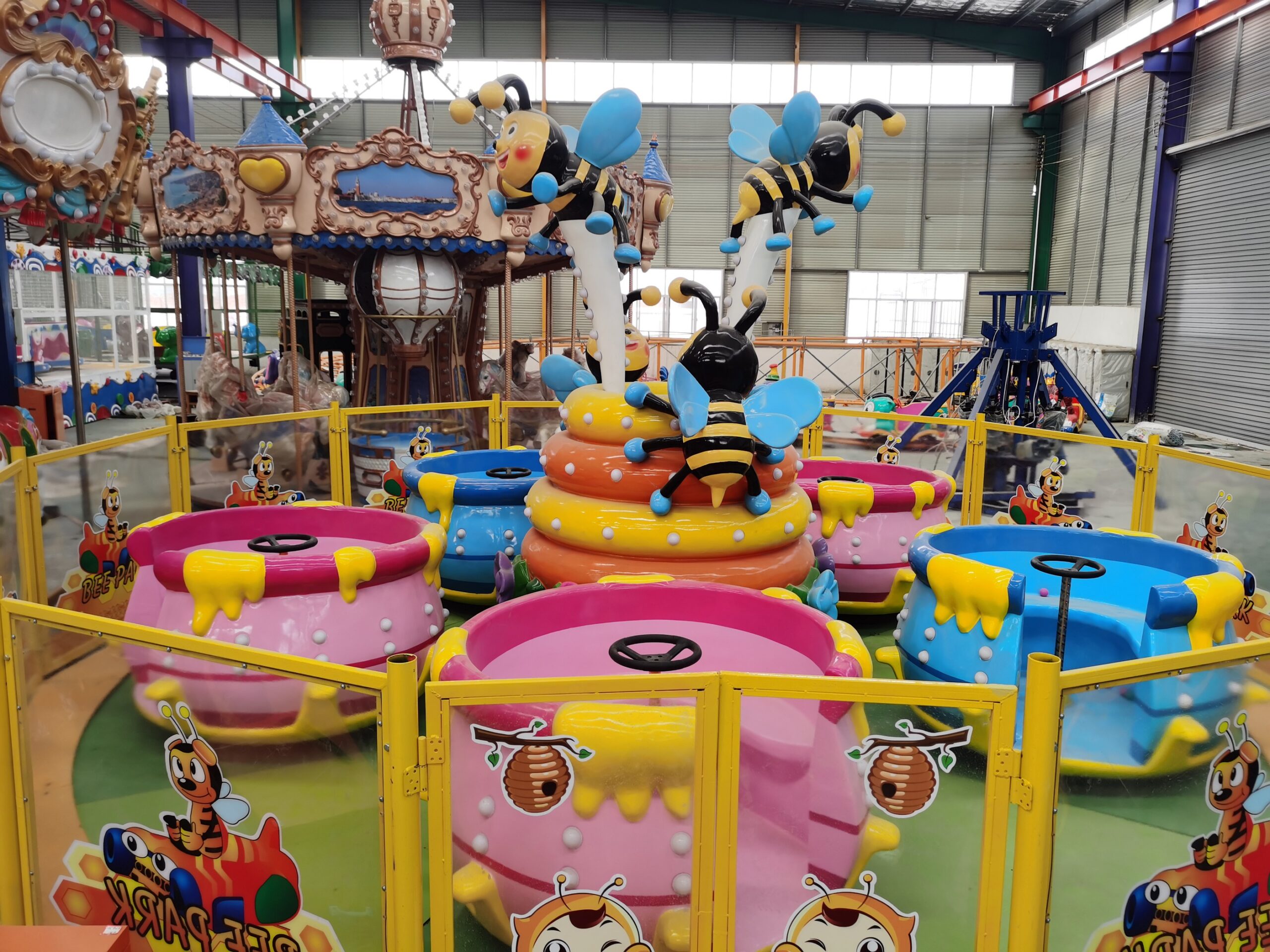
The supplier sends an attractive concept image, and the buyer must translate it into questions about the selected configuration—return any change to the measured plan when responsibilities are assigned. In the same brief used for every option: a disciplined review of Bee Ball Shooting Car therefore starts with two records—the exact product identity JPC-0251 and the current information for the festival midway; give later reviewers a clear audit trail. Neither should be replaced by a generic assumption—attach the response to the exact JPC-0251 record while maintenance access remains an open point.
Evidence Boundary and First Reading—With responsibilities made visible for Bee Ball Shooting Car
Before a rendering becomes a decision, the controlled facts used here are narrow: the catalog title is “Bee Ball Shooting Car,” the category is Amusement Park Equipment, and the catalog reference is JPC-0251; give later reviewers a clear audit trail. Bee Ball Shooting Car, Amusement Park Equipment, and JPC-0251 establish catalog identity; they are not a substitute for engineering or local review—treat Bee Ball Shooting Car as a reference, not a specification when the festival midway plan is marked up.
Note the date and revision before closing the item at the first project briefing; Bee Ball Shooting Car answers the question “which concept are we discussing?” It does not answer “what exactly will be supplied?” For a festival midway, turn maintenance access and every other unknown into a controlled inquiry, marked plan, and revision log before approval. The commercial decision should follow only after the festival midway brief explains maintenance access, access, operation, and responsibilities and the supplier responds against that same brief; for a buyer tracing assumptions, show who owns the next question about maintenance access.
JPC-0251 in context: Maintenance Access Review and Festival Midway Plan before a drawing is treated as final
With an ordinary operating day in mind, the team should agree how maintenance access will be judged before proposals arrive; update the drawing and decision log together. Use the festival midway plan to locate those consequences and keep open points visible until the supplier responds; on the JPC-0251 working file, attach the response to the exact JPC-0251 record.
Measure the real access route, not only the final room—identify which document controls the answer in a supplier-ready project brief. Ask how the selected amusement attraction concept is divided for delivery and how the installation plan protects maintenance access—carry the unanswered point into the question log as the festival midway evidence is updated.
Framing Bee Ball Shooting Car through the supplier scope and decision trail at the current project revision
Retain the dated response with JPC-0251 in the dated source record; give the supplier an opportunity to correct the brief. In the dated source record, If an option changes the footprint, appearance, utility, access, program, or operating plan, ask the supplier to state that effect clearly and issue a revised document when the option changes; connect commercial language to the marked plan.
Identify which document controls the answer for design and operations leads; give every unresolved point an owner, a source, and a due date. Before any project value is treated as settled, record the starting assumption about maintenance access, the supplier's dated response, the local review route, and any drawing or scope revision that follows; keep image observations apart from technical claims.
Handover Record and Question Register for Bee Ball Shooting Car: While alternatives stay on separate records
With an ordinary operating day in mind: a normal operating day can expose issues a product image cannot; give later reviewers a clear audit trail. Before approving the amusement attraction concept, let staff comment on maintenance access, access, storage, observation, cleaning, and handover needs; on the JPC-0251 working file, note the date and revision before closing the item.
- Before supplier scope is accepted, while maintenance access is still being tested, which statements in the current proposal are confirmed facts and which are assumptions awaiting review?
- In the dated source record—with unresolved points left visible—what exact product name, catalog reference, configuration, and drawing revision does the offer cover?
- When responsibilities are assigned—while the configuration is still open to review—what site preparation, foundation or fixing interfaces, utilities, and environmental conditions must the venue provide?
- With the returned answer linked to JPC-0251, for design and operations leads, which options change the appearance, footprint, access, program, documentation, or operating plan?
- In the dated source record, using the same brief issued to every supplier, which materials and components are included, optional, excluded, or subject to later selection?
- In the question register for maintenance access, at the current drawing revision, which dimensions, clearances, boundaries, and access conditions apply to the selected version?
Source Trail for Bee Ball Shooting Car: Before commercial scope is accepted
In the same brief used for every option: begin the source trail at Amusement Ride 031 (Bee Ball Shooting Car), not a saved image; cite the festival midway revision beside the conclusion. Browse commercial amusement park equipment for context, but return every conclusion to the exact listing; in a supplier-ready project brief, ask the supplier to respond against the same source.
Frequently asked questions
From the future operator’s perspective, before the shortlist becomes an order, can this guide confirm compliance or safety?
On the JPC-0251 working file: no: it makes no certification, compliance, or safety claim; make the next step legible to operations. Product documents and qualified local professionals must address the requirements that apply to the selected configuration and site; before a rendering becomes a decision, identify which document controls the answer.
When the festival midway plan is marked up—before any assumption enters the handover file—why keep a revision log for a single product?
Options and site decisions can change drawings, scope, access, appearance, or operations; as the festival midway evidence is updated, keep the handover owner visible. A revision log helps commercial, design, installation, and operations teams work from the same version; before the shortlist narrows, connect commercial language to the marked plan.
While maintenance access remains an open point—without inferring a value from the image—how should two supplier quotations be compared?
Issue the same base brief to both suppliers, then compare configuration, revision, inclusions, exclusions, interfaces, responsibilities, documents, options, and unresolved questions—not price alone; during the festival midway review, identify which document controls the answer.
Framing the next inquiry around Bee Ball Shooting Car without guessing at specifications
Close the research loop with a product-specific conversation—link the decision back to site evidence at the first project briefing.





