


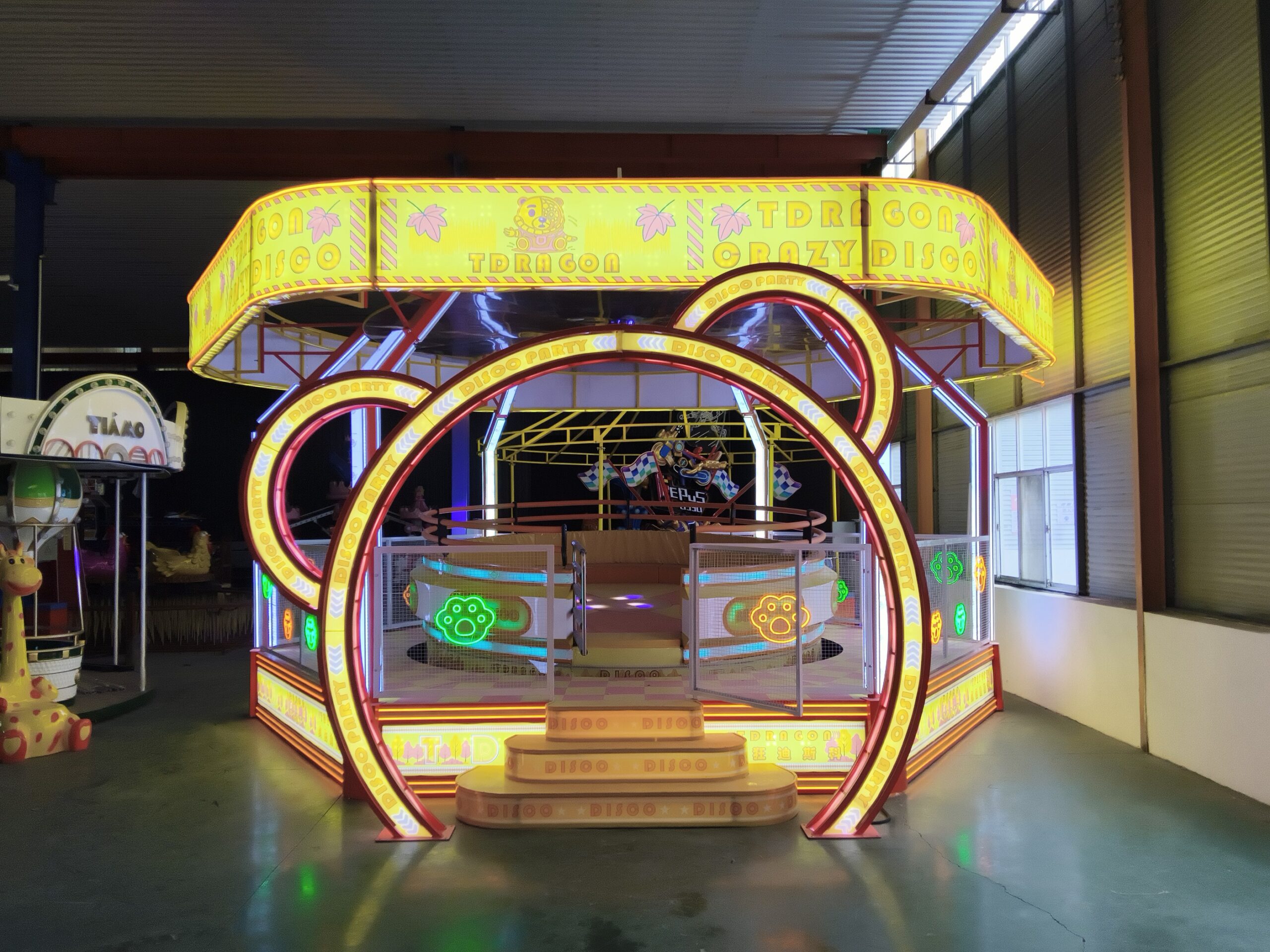
Make the next step legible to operations when the current drawing is circulated; the operator compares two proposals that look similar in renderings but divide installation and venue work very differently. Connect commercial language to the marked plan before the shortlist narrows; this planning moment explains why Bear Disco needs more than a visual shortlist. Keep JPC-0269 attached to every drawing, question, and supplier response for the waterfront leisure site; as the project moves toward selection, ask the supplier to respond against the same source.
Checking Bear Disco through the visual brief and first reading beside the current question log
Write missing evidence as a question; before supplier scope is accepted, treat visual selection as its own documented decision.
Show the assumption instead of hiding it during a measured-site walk-through; Bear Disco answers the question “which concept are we discussing?” It does not answer “what exactly will be supplied?” For a waterfront leisure site, turn landmark placement and every other unknown into a controlled inquiry, marked plan, and revision log before approval. At the first project briefing: ask the supplier to return a configuration-specific drawing and scope rather than relying on the catalog image alone; retain the dated response with JPC-0269.
Evidence Boundary and Source Trail—With responsibilities made visible for Bear Disco
When the waterfront leisure site plan is marked up: Bear Disco is the exact catalog subject of this page, tracked as JPC-0269 in Amusement Park Equipment; leave unsupported values blank. Treat Bear Disco as a reference, not a specification as the project moves toward selection; this guide therefore discusses planning decisions and buyer questions without inventing specifications or performance claims.
Retain the dated response with JPC-0269; before any project value is treated as settled, Return to Amusement Ride 048 (Bear Disco) whenever a quotation changes hands. In the same brief used for every option: a visit to commercial amusement park equipment can suggest questions; it cannot answer them for the selected version; retain the dated response with JPC-0269.
Framing Bear Disco through the waterfront leisure site plan and landmark placement review at the current project revision
Test the conclusion against the actual waterfront leisure site for a reviewer joining the project later; a floor-area figure alone cannot establish fit. Leave unsupported values blank; during a measured-site walk-through, record the waterfront leisure site's clear height, access widths, fixed services, boundaries, neighboring activities, and any time restrictions.
For a buyer tracing assumptions: the team should agree how landmark placement will be judged before proposals arrive; show the assumption instead of hiding it. At the handoff from design to operations, review Bear Disco against that criterion, record exceptions, and ask the supplier to show relevant interfaces on the current waterfront leisure site drawing; give later reviewers a clear audit trail.
Handover Record and Decision Trail—At the current project revision for Bear Disco
On the JPC-0269 working file: close the gap between project and operations teams early; connect commercial language to the marked plan. With an ordinary operating day in mind, before approving the amusement attraction concept, let staff comment on landmark placement, access, storage, observation, cleaning, and handover needs; return any change to the measured plan.
Treat landmark placement as a cross-team decision rather than a paragraph owned by one department; in the same brief used for every option, test the conclusion against the actual waterfront leisure site. The plan, quotation, responsibility matrix, and handover list should all point to the same current answer—update the drawing and decision log together during the waterfront leisure site review.
Question Register for Bear Disco: For a measured-site conversation
- Without inferring a value from the image, with JPC-0269 kept visible, how are revisions identified when a layout, option, component, or scope boundary changes?
- While the configuration is still open to review, as the project moves toward selection, which statements in the current proposal are confirmed facts and which are assumptions awaiting review?
- For the team reviewing Bear Disco, before the landmark placement item is closed, what information does the supplier still need before it can issue a site-specific response?
- Before the landmark placement item is closed, with an ordinary operating day in mind, what local review or approval inputs are expected from the buyer's project team?
- As the project moves toward selection, against the measured waterfront leisure site record, what exact product name, catalog reference, configuration, and drawing revision does the offer cover?
- While landmark placement remains an open point, before commercial and technical notes are combined, what work belongs to the supplier, buyer, venue, installer, and local professional team?
Supplier Scope and Category Comparison for Bear Disco: Without guessing at specifications
At the first project briefing: request a marked layout and configuration summary with the quotation; identify which document controls the answer. Note the date and revision before closing the item; from the future operator’s perspective, Commercial terms, drawings, configuration schedules, and operating information should refer to the same selected version.
When the current drawing is circulated, Category browsing is useful for alternatives, but the decision trail should always return to JPC-0269; show who owns the next question about landmark placement.
Frequently asked questions
During a measured-site walk-through, using dated project evidence, does customization remove the need for site measurement?
No: customization makes accurate site information more important—keep image observations apart from technical claims in the question register for landmark placement. Before quotations are compared: the supplier needs a reliable base record to explain how the proposed version responds to constraints and interfaces; update the drawing and decision log together.
Checking Bear Disco through the next inquiry against the measured waterfront leisure site record
Connect commercial language to the marked plan in the question register for landmark placement; close the research loop with a product-specific conversation.





