


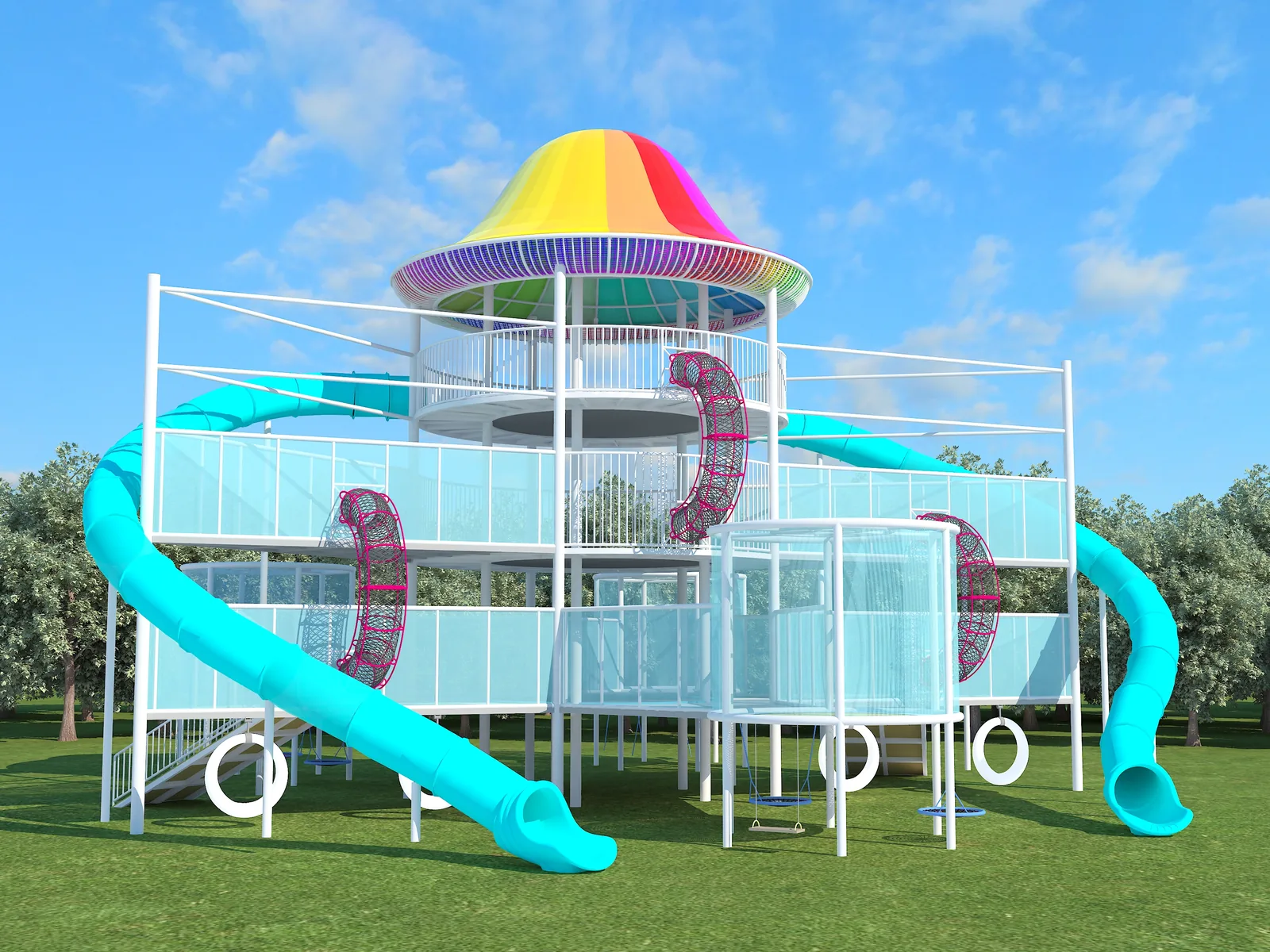
As the outdoor discovery area evidence is updated, a useful buyer's guide begins where the project team is actually making decisions; leave unsupported values blank. The venue is open every day, so installation, testing, and handover must be planned around existing operations; before a rendering becomes a decision, update the drawing and decision log together. In that setting, Angel Glider Play Feature (JPC-0356) is the subject of the review, while the outdoor discovery area defines what still needs to be resolved—show who owns the next question about site measurement for a reviewer joining the project later.
Angel Glider Play Feature and the outdoor discovery area plan and first reading and evidence boundary: Beside the current question log
Test the concept during both a quiet hour and a realistic busy period—make the next step legible to operations for a buyer tracing assumptions. Number each photograph, key it to the outdoor discovery area plan, and list unresolved conditions—retain the dated response with JPC-0356 during the outdoor discovery area review.
Note the date and revision before closing the item; with JPC-0356 kept visible, use Angel Glider Play Feature as a named interactive playground concept in the comparison schedule. Give later reviewers a clear audit trail for a buyer tracing assumptions; the useful next step is a written brief covering the site, users, operating pattern, site measurement, and the information that must be confirmed on current drawings.
As the project moves toward selection, For editorial accuracy, this article uses only the verified catalog identity: Angel Glider Play Feature (JPC-0356) under Interactive Playground Equipment; ask the supplier to respond against the same source. At the first project briefing, Angel Glider Play Feature, Interactive Playground Equipment, and JPC-0356 establish catalog identity; they are not a substitute for engineering or local review; retain the dated response with JPC-0356.
JPC-0356 in context: Site Measurement Review and Visual Brief and Decision Trail with responsibilities made visible
For Angel Glider Play Feature, put site measurement on the same review sheet as the outdoor discovery area plan—keep alternative products on separate lines in a supplier-ready project brief. Ask the supplier to respond against the same source at the first project briefing; ask what applies to the chosen Angel Glider Play Feature configuration, record the answer with its source, and have the appropriate outdoor discovery area professionals review the site implications.
Link the decision back to site evidence; before quotations are compared, use the product image as a visual brief, not a technical document.
In a supplier-ready project brief, the brief should be readable by design, procurement, installation, and operations teams; return any change to the measured plan. Keep the outcome tied to JPC-0356 as the project moves toward selection; Number the items related to site measurement, attach each response to its source document, and close them only when the appropriate project owner accepts the answer.
Question Register and Supplier Scope and Handover Record and Source Trail—For design and operations reviewers for Angel Glider Play Feature
- At the first project briefing, with each option assigned its own revision, what local review or approval inputs are expected from the buyer's project team?
- At the next revision check—before the shortlist becomes an order—what exact product name, catalog reference, configuration, and drawing revision does the offer cover?
- For a buyer tracing assumptions—with the returned answer linked to JPC-0356—what work belongs to the supplier, buyer, venue, installer, and local professional team?
- With each option assigned its own revision, in the same brief used for every option, which statements in the current proposal are confirmed facts and which are assumptions awaiting review?
- With JPC-0356 kept visible—with each option assigned its own revision—which dimensions, clearances, boundaries, and access conditions apply to the selected version?
- At the first project briefing—while the configuration is still open to review—how are revisions identified when a layout, option, component, or scope boundary changes?
Retain the dated response with JPC-0356; before quotations are compared, treat every attractive rendering as a proposal, not evidence that the site has been checked. Before supplier scope is accepted, ask each response to separate included work, optional work, buyer responsibilities, venue responsibilities, exclusions, and documents supplied for review; keep alternative products on separate lines.
Preserve the source boundary for Angel Glider Play Feature; when responsibilities are assigned, handover should reconcile the installed interactive playground concept with the approved drawing and schedule. Collect configuration-specific instructions, training records, inspection information, contact routes, and open items, then connect each document to the staff task it supports—including site measurement; before the shortlist narrows, identify which document controls the answer.
Anchor the working brief to Interactive Play 069 (Angel Glider Play Feature); as the outdoor discovery area evidence is updated, keep the handover owner visible. Connect commercial language to the marked plan; when the current drawing is circulated, compare directions in interactive playground equipment without transferring one product’s claims to another.
Frequently asked questions
In a supplier-ready project brief—for the actual outdoor discovery area operating day—does customization remove the need for site measurement?
Connect commercial language to the marked plan when the current drawing is circulated; no: customization makes accurate site information more important. Leave unsupported values blank on the JPC-0356 working file; the supplier needs a reliable base record to explain how the proposed version responds to constraints and interfaces.
Before the shortlist becomes an order, during a measured-site walk-through, how should two supplier quotations be compared?
Issue the same base brief to both suppliers, then compare configuration, revision, inclusions, exclusions, interfaces, responsibilities, documents, options, and unresolved questions—not price alone—note the date and revision before closing the item in the same brief used for every option.
When the outdoor discovery area plan is marked up—at the current drawing revision—when should operations staff join the project?
Keep the outcome tied to JPC-0356; before supplier scope is accepted, before the configuration is fixed. Attach the response to the exact JPC-0356 record; for a buyer tracing assumptions, their input on circulation, observation, housekeeping, storage, access, records, and handover can reveal needs that are difficult to correct later.
JPC-0356 in context: Next Inquiry before an image becomes a project claim
Turn this research into a numbered inquiry—preserve the source boundary for Angel Glider Play Feature with JPC-0356 kept visible.





