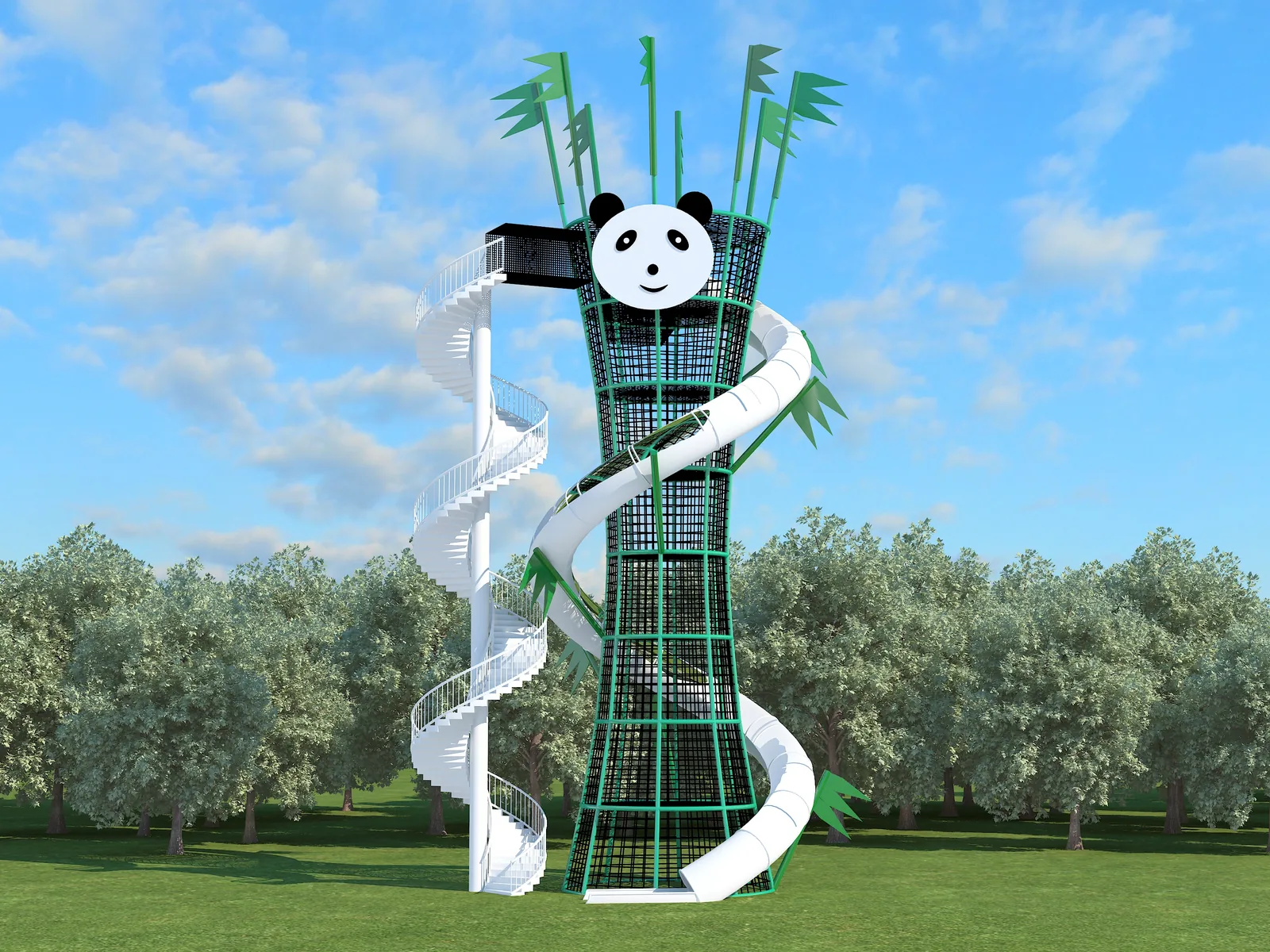


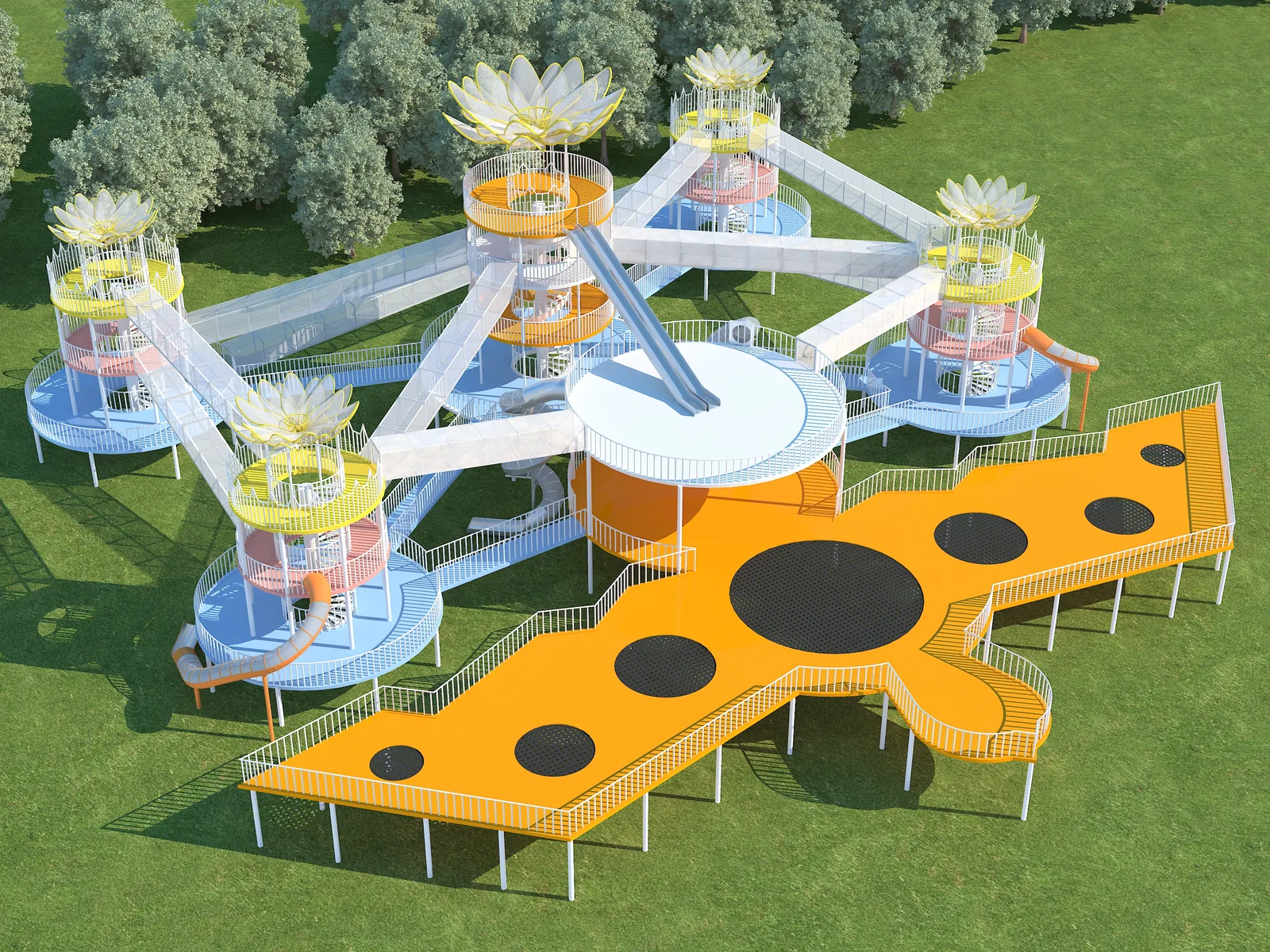
During the outdoor discovery area review, Two generations arrive together, pause in different places, and expect the activity to feel connected to the rest of the venue; ask the supplier to respond against the same source. For the team reviewing Magic Castle Structure: For the team considering Magic Castle Structure, the next move is to connect reference JPC-0543 to a measured outdoor discovery area plan without treating early assumptions as confirmed facts; keep the conclusion provisional until the right owner accepts it.
First Reading—Before handover questions are deferred for Magic Castle Structure
Carry the unanswered point into the question log; in the same brief used for every option, a buyer can shortlist Magic Castle Structure for an outdoor discovery area by testing the concept against circulation, adjacent uses, staff tasks, and concept review. Dimensions, materials, limits, utilities, installation details, and local requirements still need written confirmation for the selected version—keep the conclusion provisional until the right owner accepts it for a buyer tracing assumptions.
Tracing Magic Castle Structure through the outdoor discovery area plan and evidence boundary before an image becomes a project claim
A floor-area figure alone cannot establish fit—keep the handover owner visible before supplier scope is accepted. Link the decision back to site evidence; before supplier scope is accepted, Showing them on the same plan reveals the layout implications of concept review rather than leaving the issue as a sentence in a brief.
Reference JPC-0543 links this article to Magic Castle Structure in Interactive Playground Equipment—leave unsupported values blank before a rendering becomes a decision. Return any change to the measured plan; before a rendering becomes a decision, the signed project package remains the controlling source.
Concept Review Review and Decision Trail—For a measured-site conversation for Magic Castle Structure
Treat concept review as a shared task between design, commercial, and operations teams—connect commercial language to the marked plan for a reviewer joining the project later. For Magic Castle Structure, convert each observation into either a layout note, an operating action, or a configuration question—link the decision back to site evidence while concept review remains an open point.
Note the date and revision before closing the item; on the JPC-0543 working file, the brief should be readable by design, procurement, installation, and operations teams. Separate buyer and supplier responsibilities in writing; before the shortlist narrows, the team can then record exceptions openly instead of rewarding the proposal that simply leaves the most questions unstated.
Visual Brief for Magic Castle Structure: For design and operations reviewers
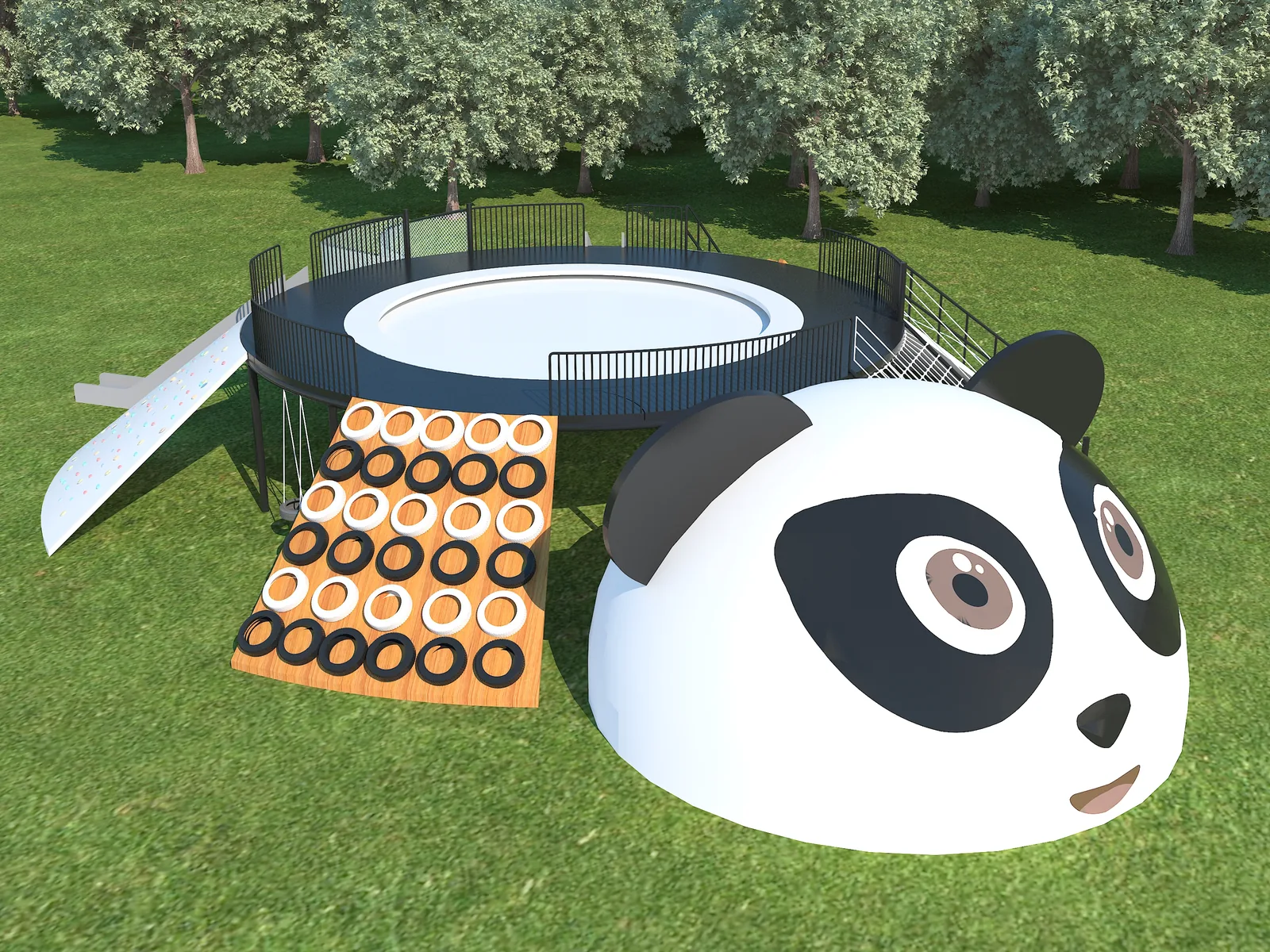
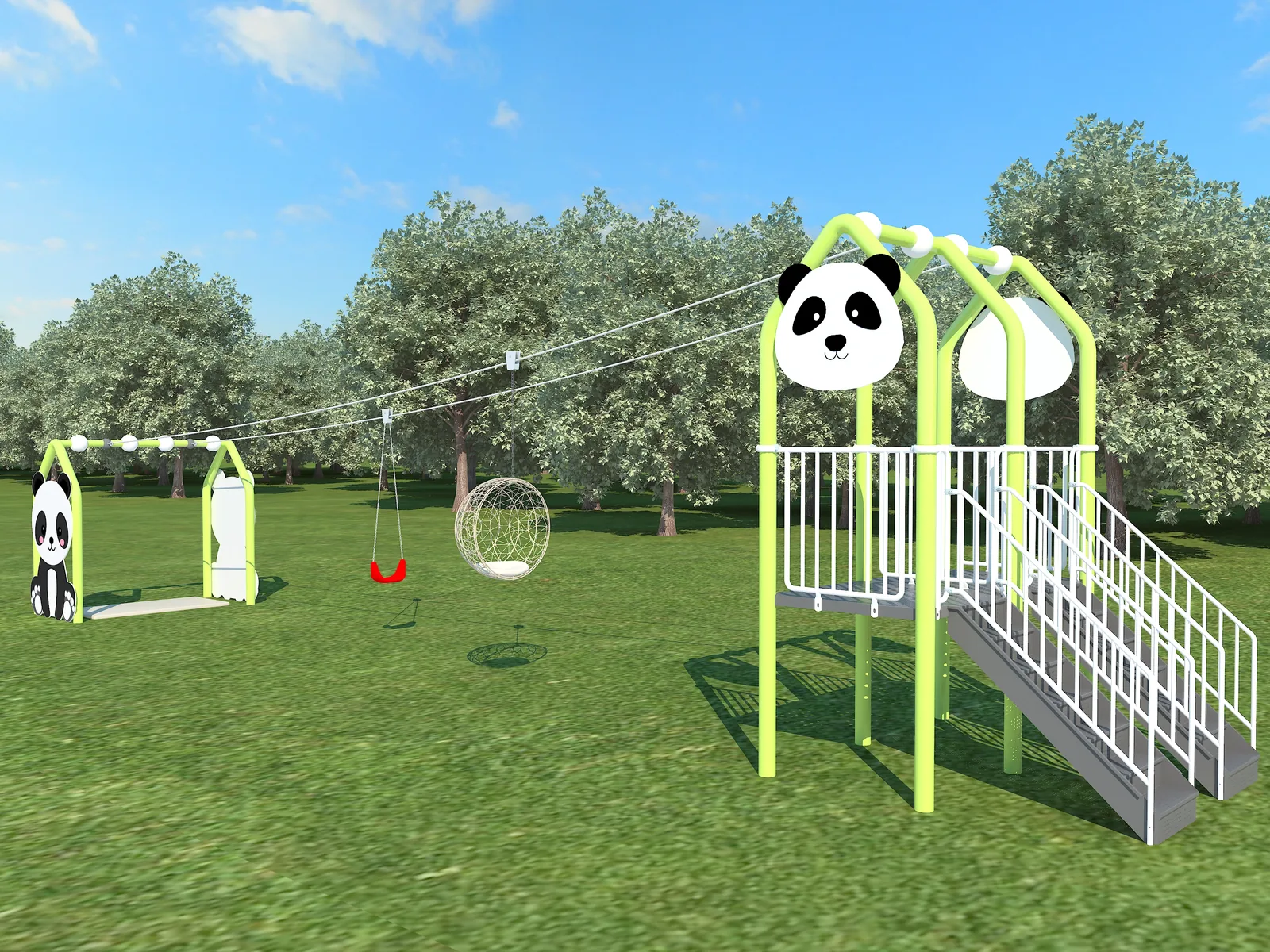
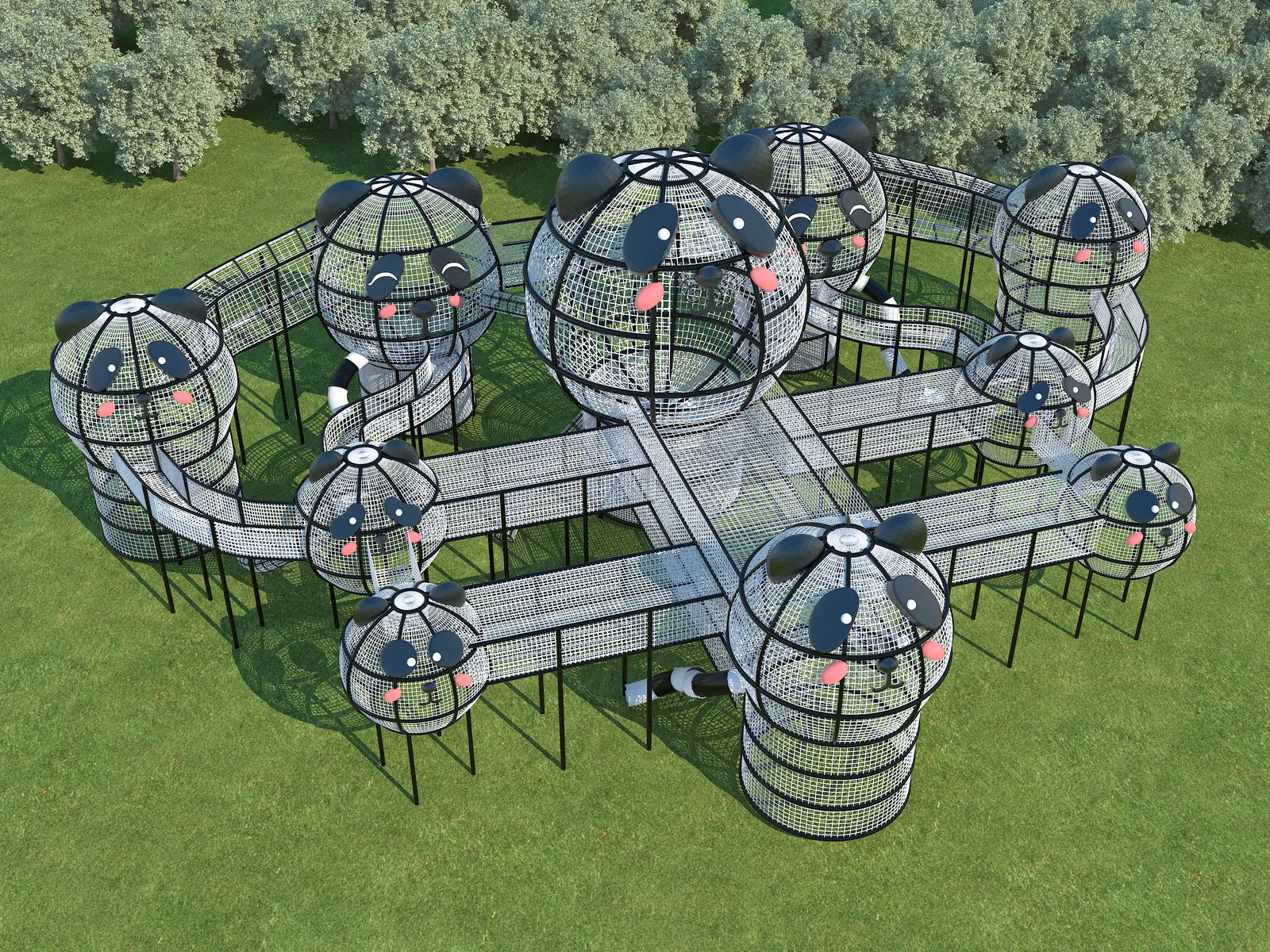
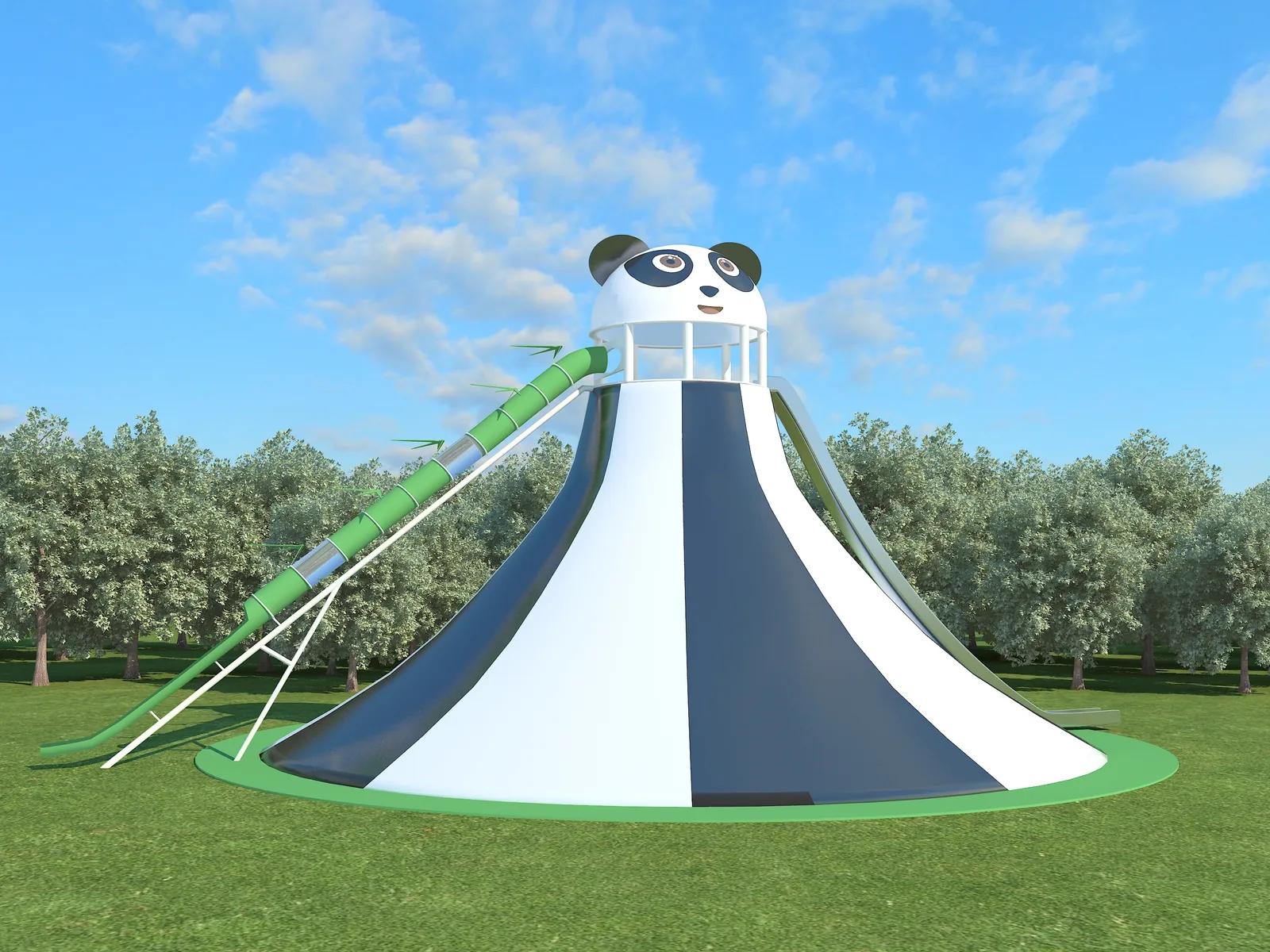
Preserve the source boundary for Magic Castle Structure; during the outdoor discovery area review, the picture can help the team discuss character and placement, but it cannot settle the project.
Supplier Scope and Question Register—Before a drawing is treated as final for Magic Castle Structure
During a measured-site walk-through: a price-only comparison hides scope differences; keep the outcome tied to JPC-0543. Leave unsupported values blank; from the future operator’s perspective, use rows for product identity, drawing revision, configuration, interfaces, delivery boundary, installation support, handover information, options, and unresolved items.
- When the outdoor discovery area plan is marked up—with unresolved points left visible—how will the product be divided, packed, delivered, moved through the site, assembled, and handed over?
- For a buyer tracing assumptions—with Magic Castle Structure kept separate from alternatives—which user, operator, inspection, cleaning, maintenance, or emergency information will be supplied for this configuration?
- On the JPC-0543 working file, against the measured outdoor discovery area record, which dimensions, clearances, boundaries, and access conditions apply to the selected version?
- With buyer and supplier work shown separately, for a reviewer joining the project later, what ongoing supplier contact route is available for configuration questions and replacement-part inquiries?
JPC-0543 in context: Handover Record and Source Trail from catalog view to controlled record
Before any project value is treated as settled, close the gap between project and operations teams early; keep the outcome tied to JPC-0543. Keep the approved interactive playground concept record, note alterations, and ask when supplier review is required—carry the unanswered point into the question log before quotations are compared.
Carry the unanswered point into the question log; as the project moves toward selection, use Interactive Play 256 (Magic Castle Structure) as the first source in the decision log. Leave unsupported values blank at the next revision check; keep notes from interactive playground equipment outside the product record until the supplier confirms which option they describe.
Frequently asked questions
Before any assumption enters the handover file, before the shortlist narrows, can a catalog image confirm dimensions or capacity?
No: an image may help discuss appearance and placement, but it cannot establish a scale, clearance, user limit, or configuration; for a reviewer joining the project later, make the next step legible to operations. Ask for a dimensioned proposal for the measured site—keep alternative products on separate lines from the future operator’s perspective.
Next Inquiry—Without guessing at specifications for Magic Castle Structure
Send Joy Playgrounds JPC-0543, the measured site information, clear context photographs, access notes, intended operating pattern, and the unresolved questions about concept review—connect commercial language to the marked plan at the handoff from design to operations.