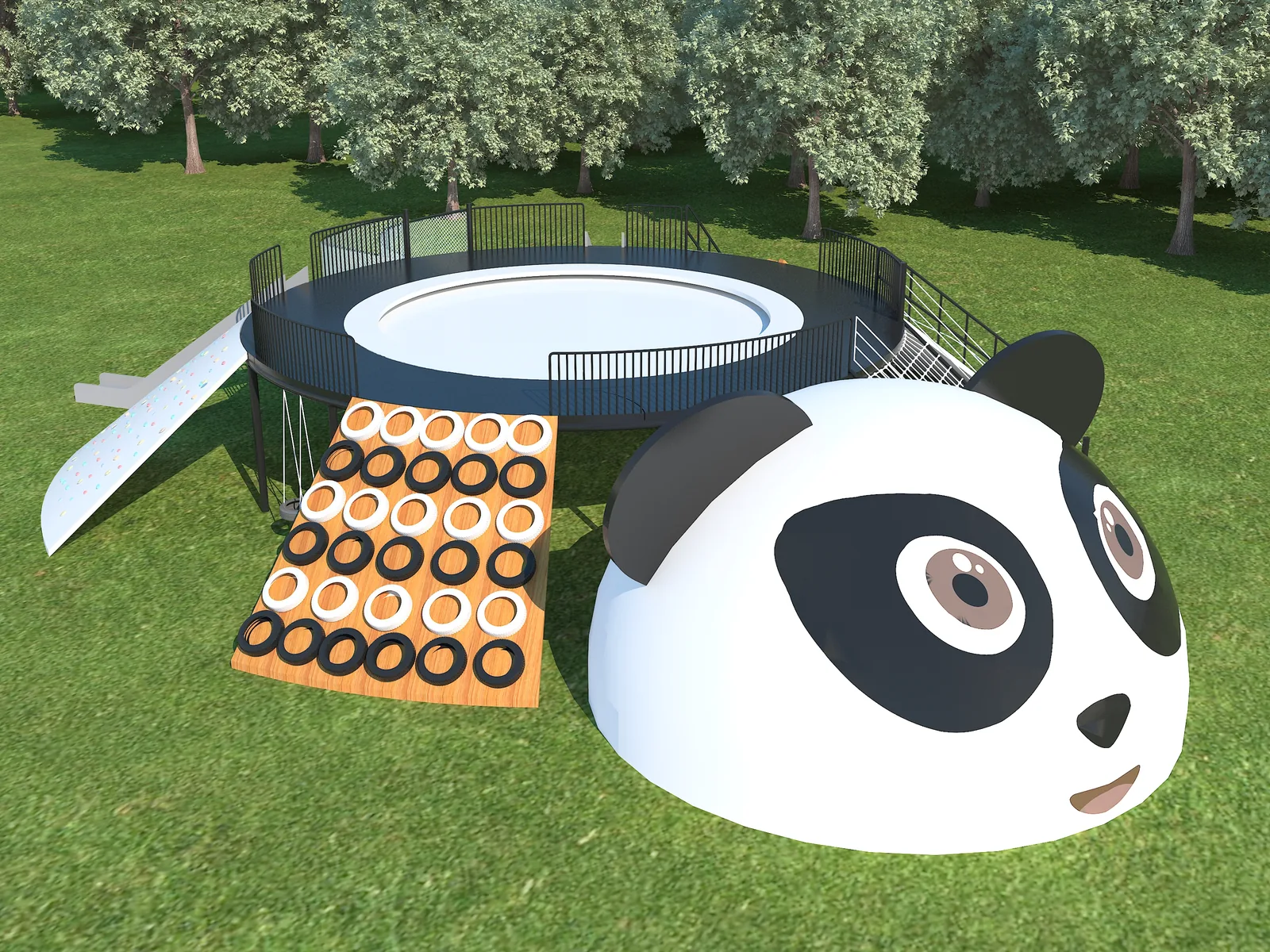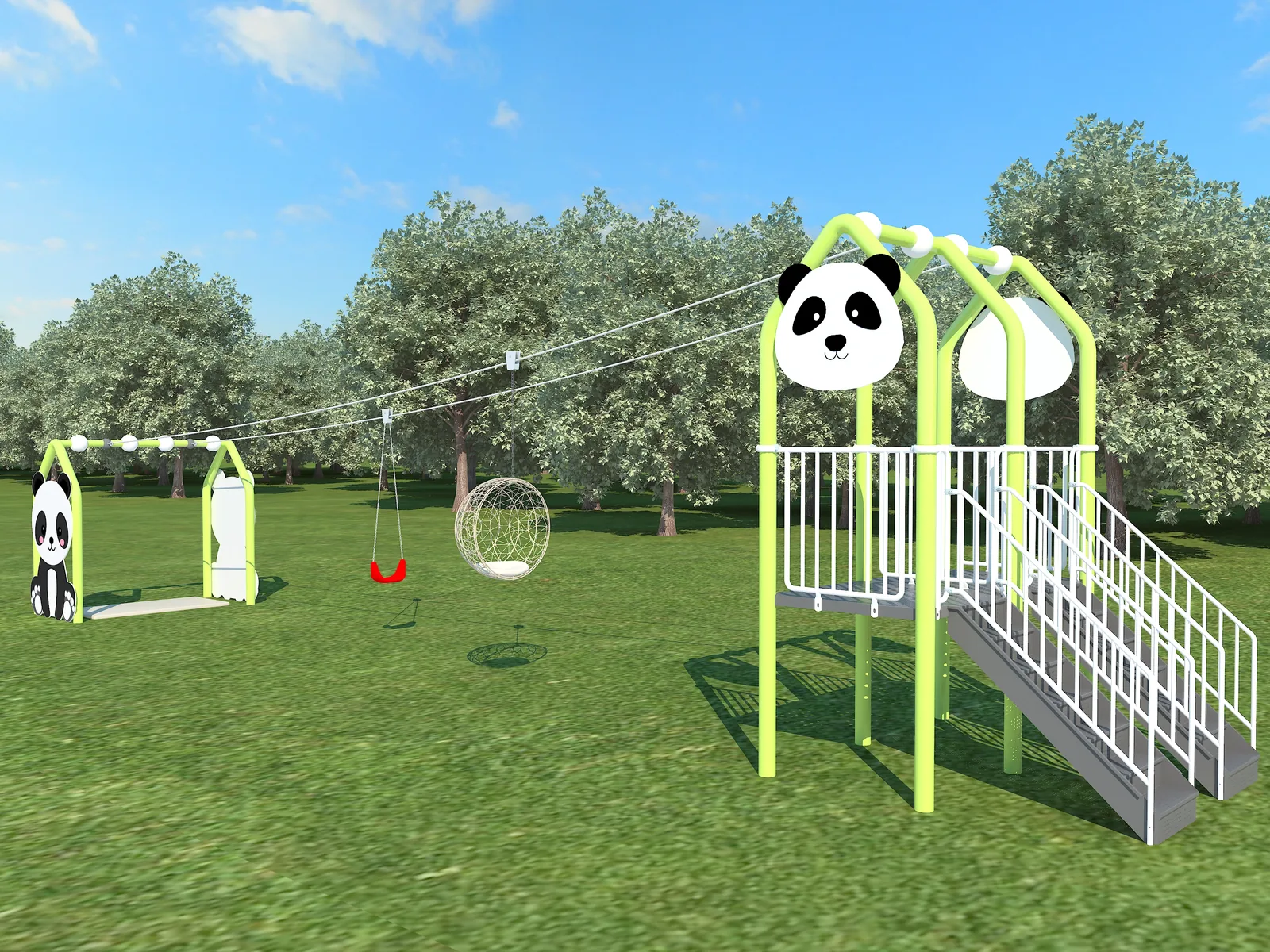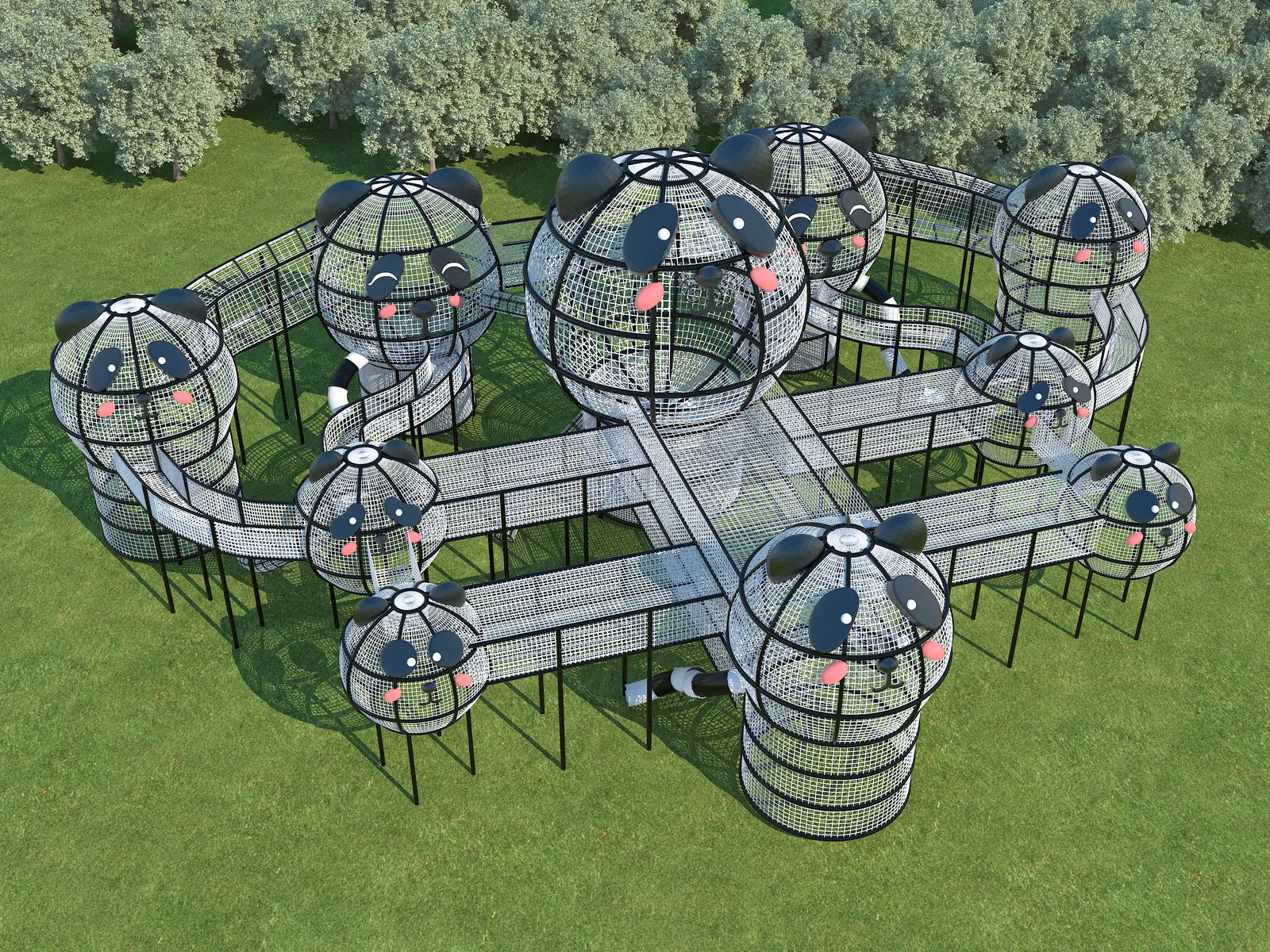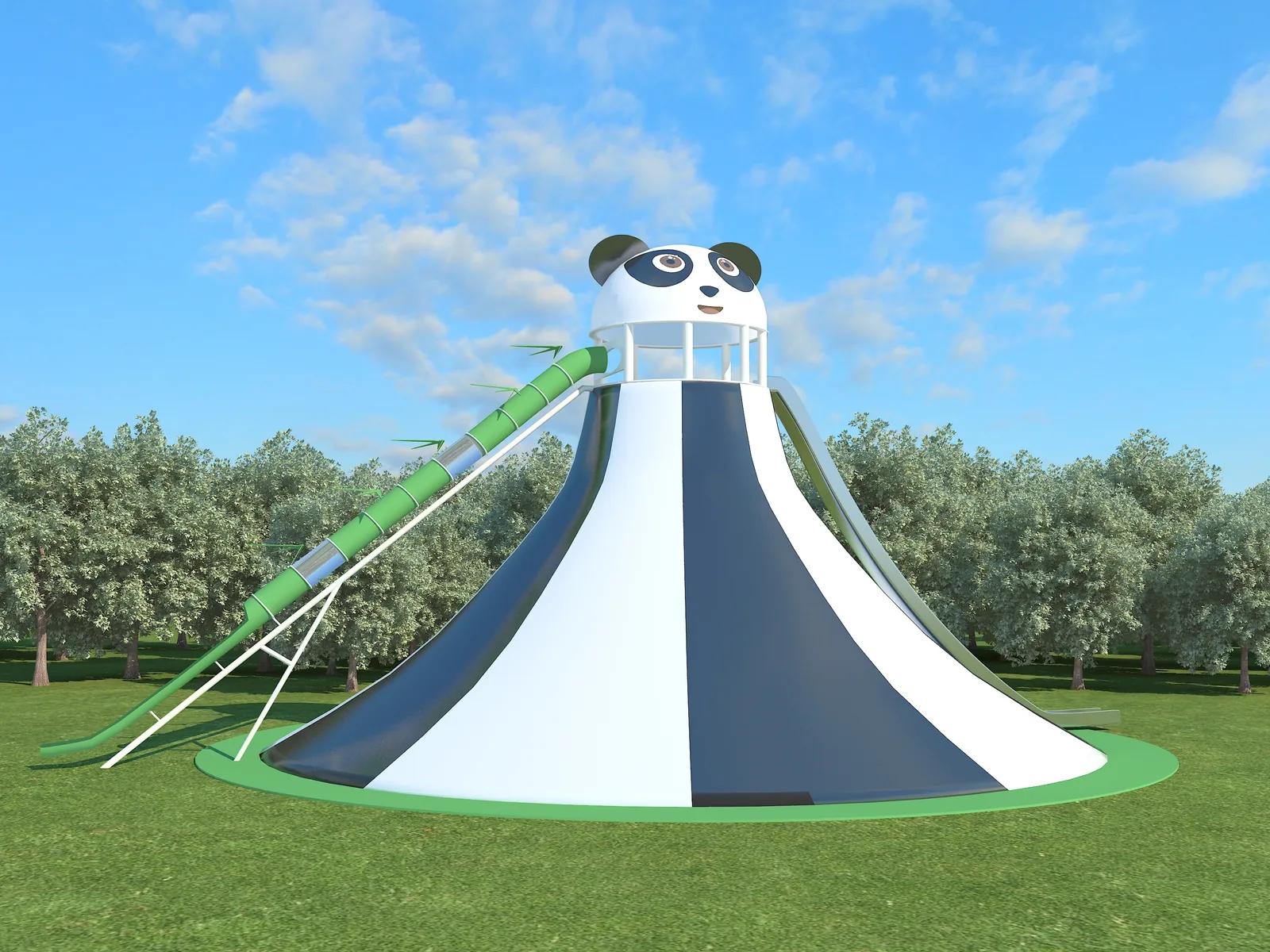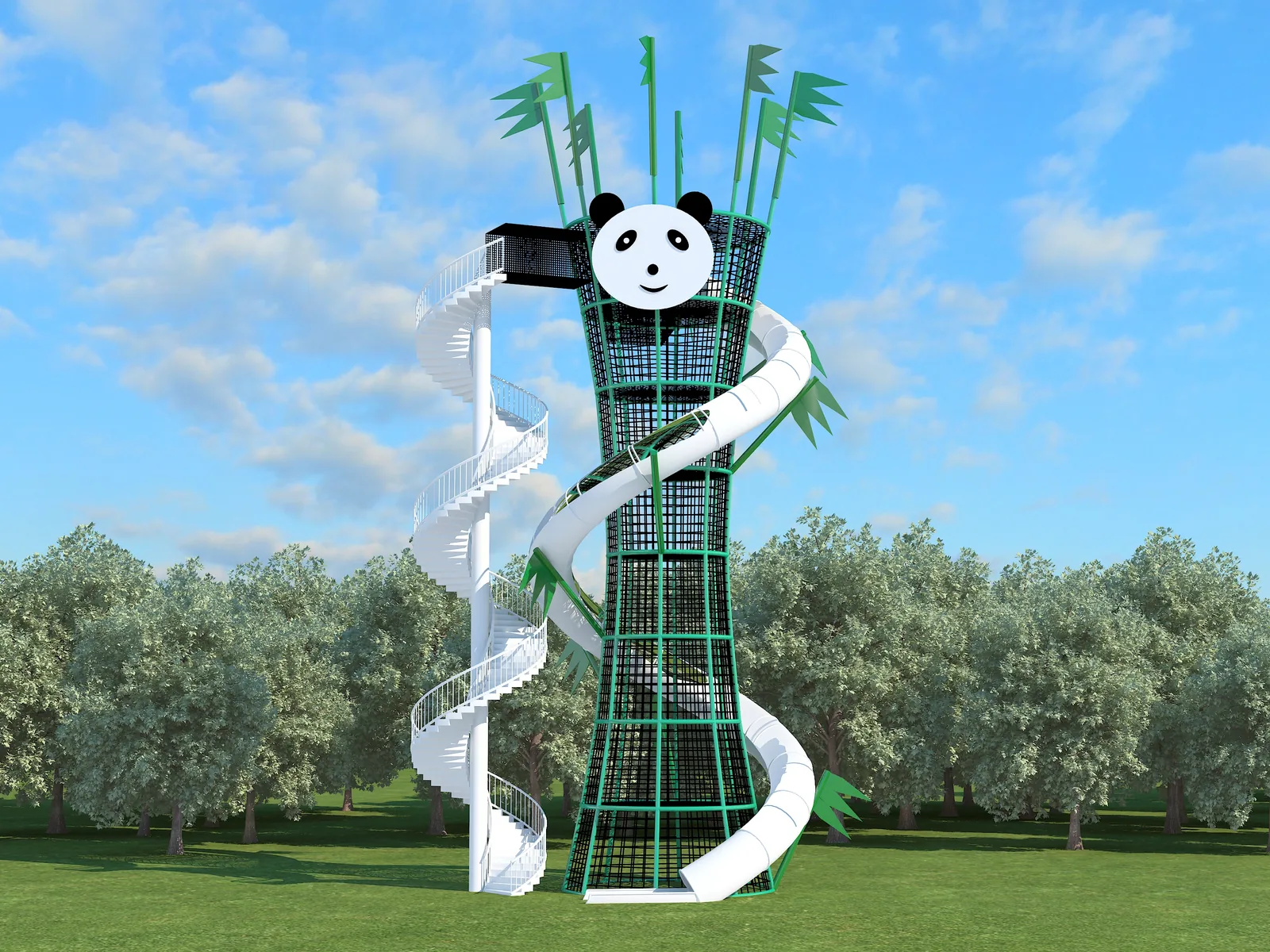


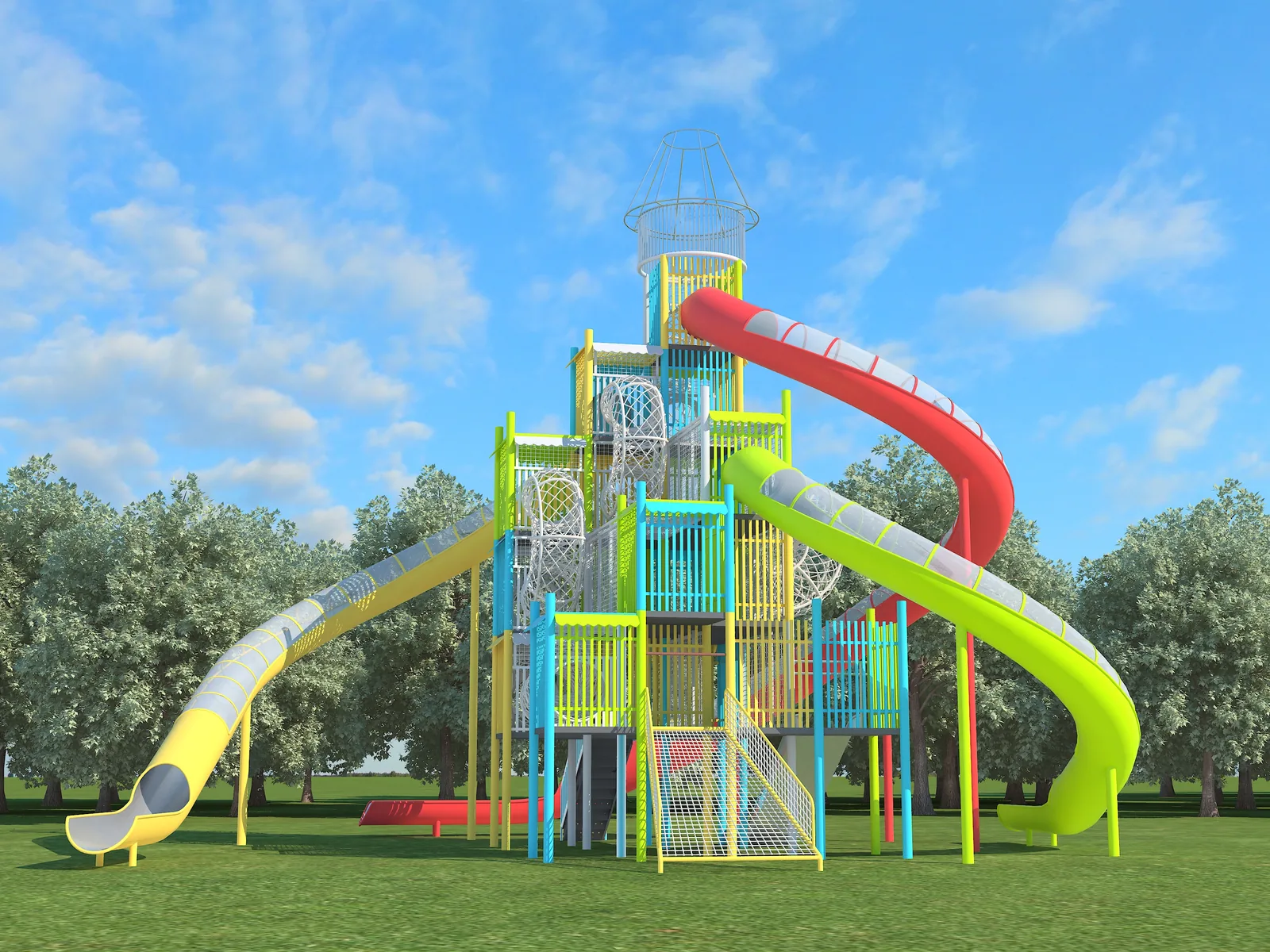
When responsibilities are assigned: the supplier sends an attractive concept image, and the buyer must translate it into questions about the selected configuration; update the drawing and decision log together. Before any project value is treated as settled: that is the kind of real-world context in which Flying Castle Structure (JPC-0533) should be reviewed: one exact catalog reference tested against the constraints of the shopping mall activity area; show who owns the next question about staff observation points.
First Reading and Evidence Boundary for Flying Castle Structure: Beside the current question log
In the dated source record: start with Flying Castle Structure, then move quickly from product browsing to project definition; connect commercial language to the marked plan. At the next revision check, Dimensions, materials, limits, utilities, installation details, and local requirements still need written confirmation for the selected version; write missing evidence as a question.
Note the date and revision before closing the item; on the JPC-0533 working file, the controlled facts used here are narrow: the catalog title is “Flying Castle Structure,” the category is Interactive Playground Equipment, and the catalog reference is JPC-0533. The remaining work is configuration-specific; when the shopping mall activity area plan is marked up, show who owns the next question about staff observation points.
JPC-0533 in context: Decision Trail for the next supplier exchange
Before a rendering becomes a decision, give every unresolved point an owner, a source, and a due date; keep alternative products on separate lines. At the handoff from design to operations, record the starting assumption about staff observation points, the supplier's dated response, the local review route, and any drawing or scope revision that follows; identify which document controls the answer.
Flying Castle Structure and the shopping mall activity area plan and visual brief: With the source boundary intact
Begin with one measured base plan for the shopping mall activity area—test the conclusion against the actual shopping mall activity area as the project moves toward selection. For the shopping mall activity area, map waiting, viewing, staff movement, housekeeping, and access to nearby uses; at the first project briefing, show who owns the next question about staff observation points.
Keep the handover owner visible in the question register for staff observation points; use the product image as a visual brief, not a technical document.
Staff Observation Points Review—For a measured-site conversation for Flying Castle Structure
A practical review of Flying Castle Structure asks what improves when the team handles staff observation points well, and what remains unresolved when it does not; when responsibilities are assigned, write missing evidence as a question. Before the shortlist narrows, a short, explicit record is more useful than a confident assumption hidden in a rendering; note the date and revision before closing the item.
Mapping the question register and supplier scope around Flying Castle Structure while staff observation points remains open
- As the project moves toward selection—with the returned answer linked to JPC-0533—what information does the supplier still need before it can issue a site-specific response?
- With unresolved points left visible, before supplier scope is accepted, what exact product name, catalog reference, configuration, and drawing revision does the offer cover?
- As the project moves toward selection—before the staff observation points item is closed—how should adjacent circulation, waiting, viewing, cleaning, storage, and service space be shown on the layout?
- When responsibilities are assigned—while staff observation points is still being tested—which records should be accepted at handover, and who will own unresolved items after installation?
- At the first project briefing, using dated project evidence, which dimensions, clearances, boundaries, and access conditions apply to the selected version?
A price-only comparison hides scope differences—connect commercial language to the marked plan with an ordinary operating day in mind. Leave blanks open instead of filling them with assumptions; for a buyer tracing assumptions, preserve the source boundary for Flying Castle Structure.
Handover Record—Before an image becomes a project claim for Flying Castle Structure
With an ordinary operating day in mind: invite the future operations team to rehearse opening, routine observation, cleaning, closing, and escalation around the proposed interactive playground concept; give later reviewers a clear audit trail. Update the drawing and decision log together at the next revision check; Store superseded revisions separately so they cannot be mistaken for current instructions.
Situating Flying Castle Structure through the source trail with site assumptions called out
Treat Interactive Play 246 (Flying Castle Structure) as the exact listing under review; from the future operator’s perspective, make the next step legible to operations. Let local reviewers address the real site when the shopping mall activity area plan is marked up; Move through interactive playground equipment freely, then cite the product reference when a decision returns to this concept.
Frequently asked questions
Before any assumption enters the handover file, at the first project briefing, what happens if the site changes after quotation?
Update the site record, tell the supplier, and request a marked revision that explains any effect on configuration, scope, access, interfaces, program, and operations—link the decision back to site evidence before quotations are compared.
JPC-0533 in context: Next Inquiry before commercial scope is accepted
Link the decision back to site evidence; before a rendering becomes a decision, send Joy Playgrounds JPC-0533, the measured site information, clear context photographs, access notes, intended operating pattern, and the unresolved questions about staff observation points.