


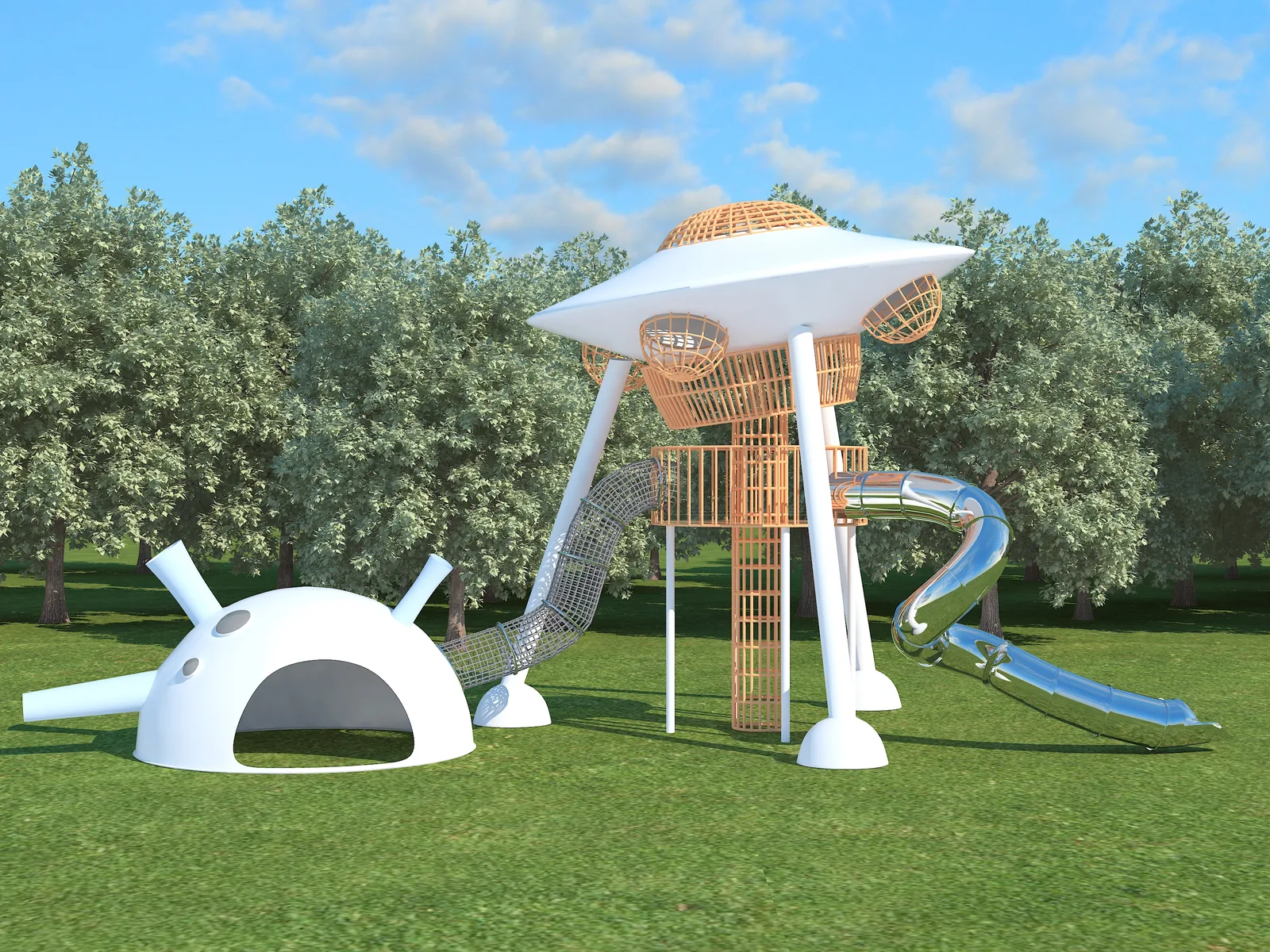
Start with the operating scene, not an isolated catalog image—retain the dated response with JPC-0519 before supplier scope is accepted. The supplier sends an attractive concept image, and the buyer must translate it into questions about the selected configuration; during the outdoor discovery area review, link the decision back to site evidence. Keep alternative products on separate lines during a measured-site walk-through; Space Explorer Play Feature gives the team a precise reference (JPC-0519); the outdoor discovery area brief supplies the questions that make the comparison meaningful.
Evidence Boundary and Category Comparison for Space Explorer Play Feature: For the next supplier exchange
Keep the handover owner visible when the outdoor discovery area plan is marked up; the controlled facts used here are narrow: the catalog title is “Space Explorer Play Feature,” the category is Interactive Playground Equipment, and the catalog reference is JPC-0519. Update the drawing and decision log together; for design and operations leads, They do not prove a dimension, material, capacity, age range, operating limit, certification, price, warranty, production time, or installation method.
When the outdoor discovery area plan is marked up: use the wider category to build a shortlist, then bring every option back to the same measured brief; test the conclusion against the actual outdoor discovery area.
First Reading and Visual Brief for Space Explorer Play Feature: Before the shortlist narrows
The practical role of Space Explorer Play Feature is to give the project team a clear interactive playground concept reference; for a buyer tracing assumptions, keep the conclusion provisional until the right owner accepts it. Return any change to the measured plan; for design and operations leads, the useful next step is a written brief covering the site, users, operating pattern, wayfinding, and the information that must be confirmed on current drawings.
Leave unsupported values blank with an ordinary operating day in mind; the picture can help the team discuss character and placement, but it cannot settle the project.
Outdoor Discovery Area Plan and Decision Trail—From catalog view to controlled record for Space Explorer Play Feature
Before the shortlist narrows, keep three layers separate on the site drawing: verified conditions, provisional concept, and open questions; show who owns the next question about wayfinding. Test the conclusion against the actual outdoor discovery area; during the outdoor discovery area review, ask the supplier which conditions affect the proposed interactive playground concept, and attach the response to the wayfinding review.
Preserve the source boundary for Space Explorer Play Feature while wayfinding remains an open point; a one-page decision log can prevent expensive misunderstandings. In the same brief used for every option, Number the items related to wayfinding, attach each response to its source document, and close them only when the appropriate project owner accepts the answer; compare versions rather than titles alone.
Space Explorer Play Feature and the wayfinding review: With the next reviewer in mind
A practical review of Space Explorer Play Feature asks what improves when the team handles wayfinding well, and what remains unresolved when it does not—connect commercial language to the marked plan at the first project briefing. Together they show the interaction between wayfinding and the outdoor discovery area, including which answers are still needed before selection—separate buyer and supplier responsibilities in writing at the first project briefing.
Supplier Scope and Question Register for Space Explorer Play Feature: With the next reviewer in mind
Treat Space Explorer Play Feature as a reference, not a specification; while wayfinding remains an open point, give the supplier an opportunity to correct the brief. Record the answers before using the proposal as the basis for other design work; before the shortlist narrows, preserve the source boundary for Space Explorer Play Feature.
- In the same brief used for every option, against the measured outdoor discovery area record, what information does the supplier still need before it can issue a site-specific response?
- On the JPC-0519 working file—before commercial and technical notes are combined—what ongoing supplier contact route is available for configuration questions and replacement-part inquiries?
- In the same brief used for every option, while the configuration is still open to review, which materials and components are included, optional, excluded, or subject to later selection?
- With Space Explorer Play Feature kept separate from alternatives, before any project value is treated as settled, what should be photographed, measured, or confirmed during a site review before production decisions?
Handover Record and Source Trail for Space Explorer Play Feature: For a traceable buyer’s brief
Make the handover usable on a busy day; on the JPC-0519 working file, keep the conclusion provisional until the right owner accepts it. Keep image observations apart from technical claims; on the JPC-0519 working file, their walk-through should identify the owner of wayfinding, the record to be kept, and the point at which supplier guidance is needed.
With an ordinary operating day in mind, Trace the inquiry back to Interactive Play 232 (Space Explorer Play Feature) before closing an item; compare versions rather than titles alone. At the first project briefing: a visit to interactive playground equipment can suggest questions; it cannot answer them for the selected version; treat Space Explorer Play Feature as a reference, not a specification.
Frequently asked questions
Before commercial and technical notes are combined, as the project moves toward selection, can the product category decide where it should be installed?
In the dated source record: no: the category organizes the catalog; keep image observations apart from technical claims. For a reviewer joining the project later, the selected configuration, measured venue, supplier guidance, and relevant local professional review determine whether and how a concept fits a real project; separate buyer and supplier responsibilities in writing.
For a buyer tracing assumptions—while the configuration is still open to review—when should operations staff join the project?
Link the decision back to site evidence; for a buyer tracing assumptions, before the configuration is fixed. Their input on circulation, observation, housekeeping, storage, access, records, and handover can reveal needs that are difficult to correct later—write missing evidence as a question before a rendering becomes a decision.
In a supplier-ready project brief—with local review responsibilities identified—what should the first inquiry include?
Send the exact product reference, a measured plan, clear site photographs, venue type, intended operation, access constraints, known interfaces, preferred timing, and a numbered list of questions; during a measured-site walk-through, compare versions rather than titles alone.
Next Inquiry for Space Explorer Play Feature: For the next supplier exchange
With JPC-0519 kept visible, Turn this research into a numbered inquiry; leave unsupported values blank.





