


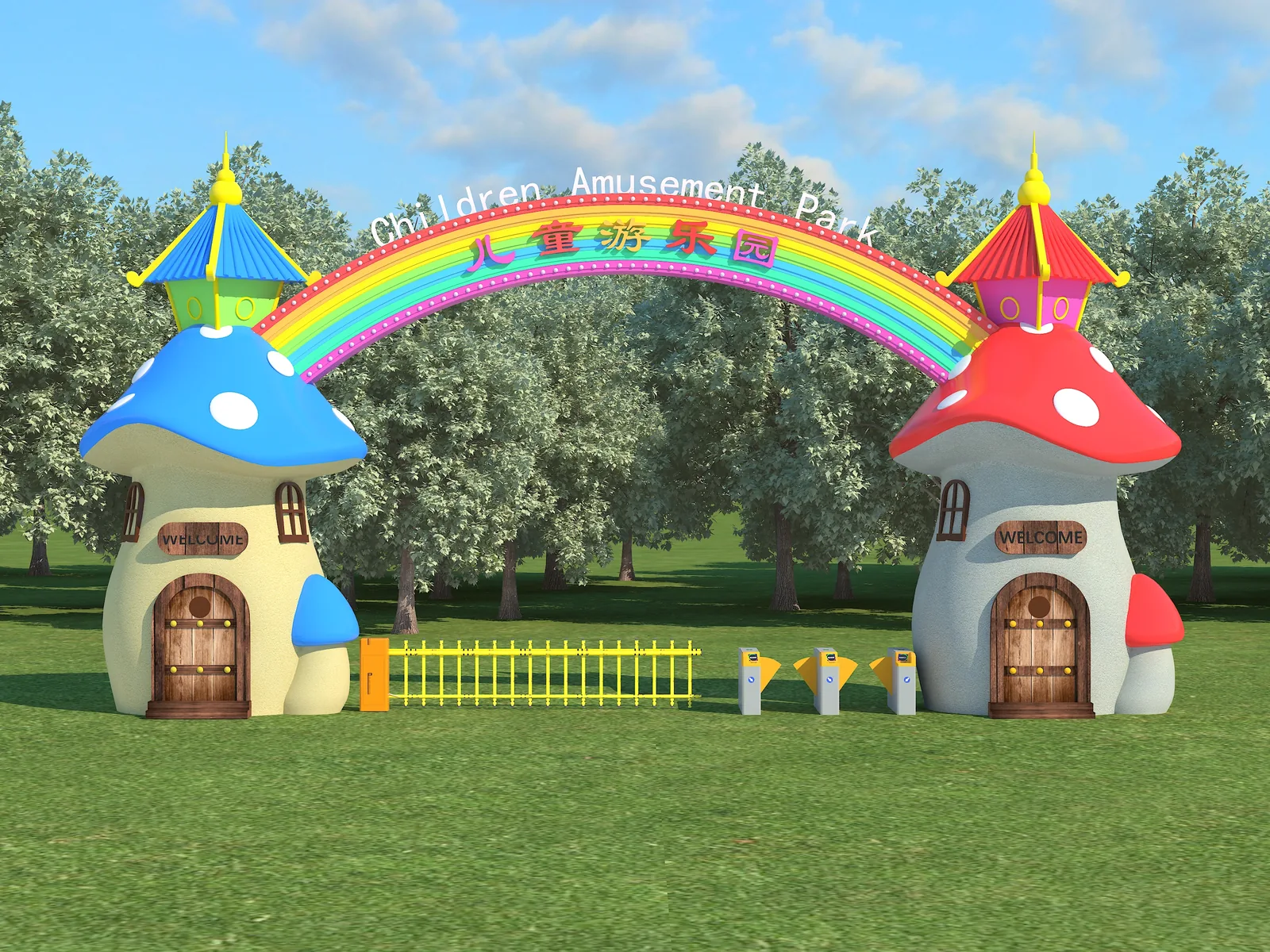
The commercial team wants a quick quotation, while the project team needs assumptions and exclusions to be written down; in the question register for queue and waiting flow, let local reviewers address the real site. Write missing evidence as a question during a measured-site walk-through; this planning moment explains why Mushroom-Gate needs more than a visual shortlist. Before a rendering becomes a decision, keep JPC-0487 attached to every drawing, question, and supplier response for the shopping mall activity area; separate buyer and supplier responsibilities in writing.
Decision Trail and Evidence Boundary for Mushroom-Gate: For a measured-site conversation
Return any change to the measured plan; for a reviewer joining the project later, use a short question register beside the plan. That small discipline makes later scope, access, and handover conversations far easier to audit—cite the shopping mall activity area revision beside the conclusion in a supplier-ready project brief.
Let local reviewers address the real site at the next revision check; keep the first line of the decision log simple: product JPC-0487, “Mushroom-Gate,” category Interactive Playground Equipment. For a reviewer joining the project later, that restraint gives buyers a clearer list of what the supplier still needs to confirm; identify which document controls the answer.
Questioning Mushroom-Gate through the supplier scope and question register against the measured shopping mall activity area record
As the shopping mall activity area evidence is updated, ask for document dates and revision numbers; separate buyer and supplier responsibilities in writing. With an ordinary operating day in mind, Later alternatives should identify exactly what changed and why; write missing evidence as a question.
- Before the shortlist narrows, with the returned answer linked to JPC-0487, what site preparation, foundation or fixing interfaces, utilities, and environmental conditions must the venue provide?
- Before quotations are compared, without inferring a value from the image, what local review or approval inputs are expected from the buyer's project team?
- From the future operator’s perspective, for the actual shopping mall activity area operating day, which user, operator, inspection, cleaning, maintenance, or emergency information will be supplied for this configuration?
- For a reviewer joining the project later, before the shortlist becomes an order, how are revisions identified when a layout, option, component, or scope boundary changes?
- With local review responsibilities identified, before a rendering becomes a decision, what exact product name, catalog reference, configuration, and drawing revision does the offer cover?
- At the handoff from design to operations, before the shortlist becomes an order, which dimensions, clearances, boundaries, and access conditions apply to the selected version?
Mushroom-Gate and the shopping mall activity area plan: Before handover questions are deferred
Photographs help explain character, but dimensions and interfaces control the project—write missing evidence as a question before supplier scope is accepted. With JPC-0487 kept visible, ask the supplier which conditions affect the proposed interactive playground concept, and attach the response to the queue and waiting flow review; connect commercial language to the marked plan.
Visual Brief and Queue and Waiting Flow Review—Before quotations are compared for Mushroom-Gate
Test the conclusion against the actual shopping mall activity area; with an ordinary operating day in mind, treat visual selection as its own documented decision.
During a measured-site walk-through, For Mushroom-Gate, the best early deliverable is often a marked plan plus a one-page question log; test the conclusion against the actual shopping mall activity area. From the future operator’s perspective: a short, explicit record is more useful than a confident assumption hidden in a rendering; separate buyer and supplier responsibilities in writing.
Handover Record and Category Comparison—For the next supplier exchange for Mushroom-Gate
Make the handover usable on a busy day—write missing evidence as a question for design and operations leads. Show the assumption instead of hiding it; before a rendering becomes a decision, the venue's responsible person decides readiness with input from the supplier and relevant local professionals; this article does not establish that the interactive playground concept is ready for use.
At the first project briefing: Related listings may help the buyer understand available directions, but they are not interchangeable evidence; ask the supplier to respond against the same source.
JPC-0487 in context: Source Trail before quotations are compared
During the shopping mall activity area review: start the next supplier email from Interactive Play 200 (Mushroom-Gate); carry the unanswered point into the question log. Retain the dated response with JPC-0487 with JPC-0487 kept visible; a visit to interactive playground equipment can suggest questions; it cannot answer them for the selected version.
Frequently asked questions
Against the measured shopping mall activity area record, in the question register for queue and waiting flow, can a catalog image confirm dimensions or capacity?
Before quotations are compared, no: an image may help discuss appearance and placement, but it cannot establish a scale, clearance, user limit, or configuration; preserve the source boundary for Mushroom-Gate. Cite the shopping mall activity area revision beside the conclusion; at the first project briefing, ask for a dimensioned proposal for the measured site.
Next Inquiry for Mushroom-Gate: Before an image becomes a project claim
Ask the supplier to respond against the same source during a measured-site walk-through; Prepare one controlled project pack for Mushroom-Gate: reference JPC-0487, measured plan, photographs, scope boundary, responsibilities, timing constraints, and the question register for queue and waiting flow.





