


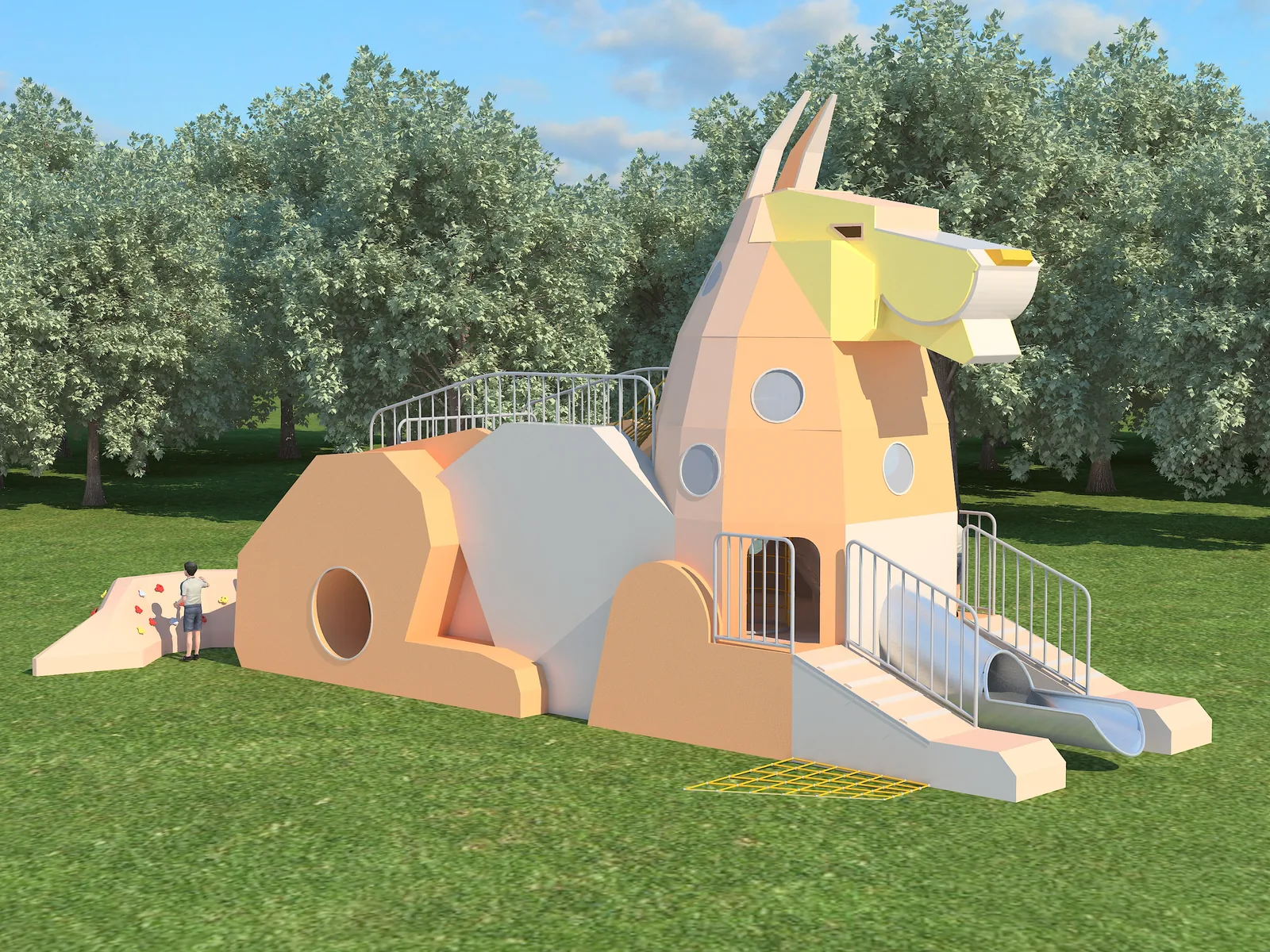
On the JPC-0465 working file: the project is moving between design, procurement, and operations teams, making a simple decision log unexpectedly valuable; link the decision back to site evidence. Test the conclusion against the actual public recreation project; when the current drawing is circulated, a disciplined review of Hero Dog-Slide therefore starts with two records—the exact product identity JPC-0465 and the current information for the public recreation project. Neither should be replaced by a generic assumption; in the question register for revision control, attach the response to the exact JPC-0465 record.
Mapping the evidence boundary and public recreation project plan around Hero Dog-Slide for the next supplier exchange
The evidence boundary is deliberate—leave unsupported values blank with JPC-0465 kept visible. Treat Hero Dog-Slide as a reference, not a specification; with an ordinary operating day in mind, the image and title can guide questions about visual direction and application, but final technical and commercial details must come from the selected configuration's current quotation, drawings, schedules, and manuals.
Test the concept during both a quiet hour and a realistic busy period—keep the handover owner visible in the question register for revision control. That operating overlay may change the best position for the interactive playground concept, especially when the review of revision control extends beyond the equipment footprint; before any project value is treated as settled, treat Hero Dog-Slide as a reference, not a specification.
Revision Control Review and Decision Trail and Visual Brief for Hero Dog-Slide: Before commercial scope is accepted
Note the date and revision before closing the item; in the dated source record, imagine the public recreation project on an ordinary operating day and note every moment connected to revision control. A short, explicit record is more useful than a confident assumption hidden in a rendering; on the JPC-0465 working file, keep the conclusion provisional until the right owner accepts it.
Write the unresolved revision control questions in plain language and keep the answers beside the exact product reference; during a measured-site walk-through, treat Hero Dog-Slide as a reference, not a specification. Before quotations are compared, a decision about revision control is not complete until the team records who confirmed it, which revision it affects, and what remains open; leave unsupported values blank.
When the current drawing is circulated, ask the design and operations teams to annotate the same image; compare versions rather than titles alone.
Hero Dog-Slide and the question register and supplier scope and handover record: At the current project revision
- Using the same brief issued to every supplier, with an ordinary operating day in mind, which materials and components are included, optional, excluded, or subject to later selection?
- While revision control is still being tested, for the team reviewing Hero Dog-Slide, what exact product name, catalog reference, configuration, and drawing revision does the offer cover?
- During the public recreation project review—using the same brief issued to every supplier—how will the product be divided, packed, delivered, moved through the site, assembled, and handed over?
- With an ordinary operating day in mind—with buyer and supplier work shown separately—how are revisions identified when a layout, option, component, or scope boundary changes?
Send every shortlisted supplier the same plan, photographs, intended use, access record, schedule, and question list; for the team reviewing Hero Dog-Slide, keep the outcome tied to JPC-0465. Before a rendering becomes a decision: record the answers before using the proposal as the basis for other design work; show the assumption instead of hiding it.
At the first project briefing, future changes deserve the same discipline as the first installation; show who owns the next question about revision control. Let local reviewers address the real site from the future operator’s perspective; Store superseded revisions separately so they cannot be mistaken for current instructions.
Reading the category comparison and source trail around Hero Dog-Slide before the shortlist narrows
During a measured-site walk-through, Category browsing is useful for alternatives, but the decision trail should always return to JPC-0465; keep the handover owner visible.
Anchor the working brief to Interactive Play 178 (Hero Dog-Slide)—keep the conclusion provisional until the right owner accepts it as the project moves toward selection. Keep notes from interactive playground equipment outside the product record until the supplier confirms which option they describe—let local reviewers address the real site before any project value is treated as settled.
Frequently asked questions
From the future operator’s perspective, while the configuration is still open to review, what happens if the site changes after quotation?
Update the site record, tell the supplier, and request a marked revision that explains any effect on configuration, scope, access, interfaces, program, and operations—keep alternative products on separate lines in a supplier-ready project brief.
At the current drawing revision, before a rendering becomes a decision, when should operations staff join the project?
At the next revision check: before the configuration is fixed; compare versions rather than titles alone. On the JPC-0465 working file: their input on circulation, observation, housekeeping, storage, access, records, and handover can reveal needs that are difficult to correct later; treat Hero Dog-Slide as a reference, not a specification.
With an ordinary operating day in mind—with JPC-0465 as the product key—what belongs in a useful handover file?
Keep image observations apart from technical claims for a reviewer joining the project later; include the accepted configuration record, current drawings, supplier instructions, training and inspection information, responsibility notes, escalation contacts, and a list of open or later actions.
Hero Dog-Slide and the next inquiry: At the current project revision
A useful next email names Hero Dog-Slide and JPC-0465 in the subject line, attaches the current site record, and lists the revision control decisions still awaiting evidence—treat Hero Dog-Slide as a reference, not a specification during a measured-site walk-through.





