


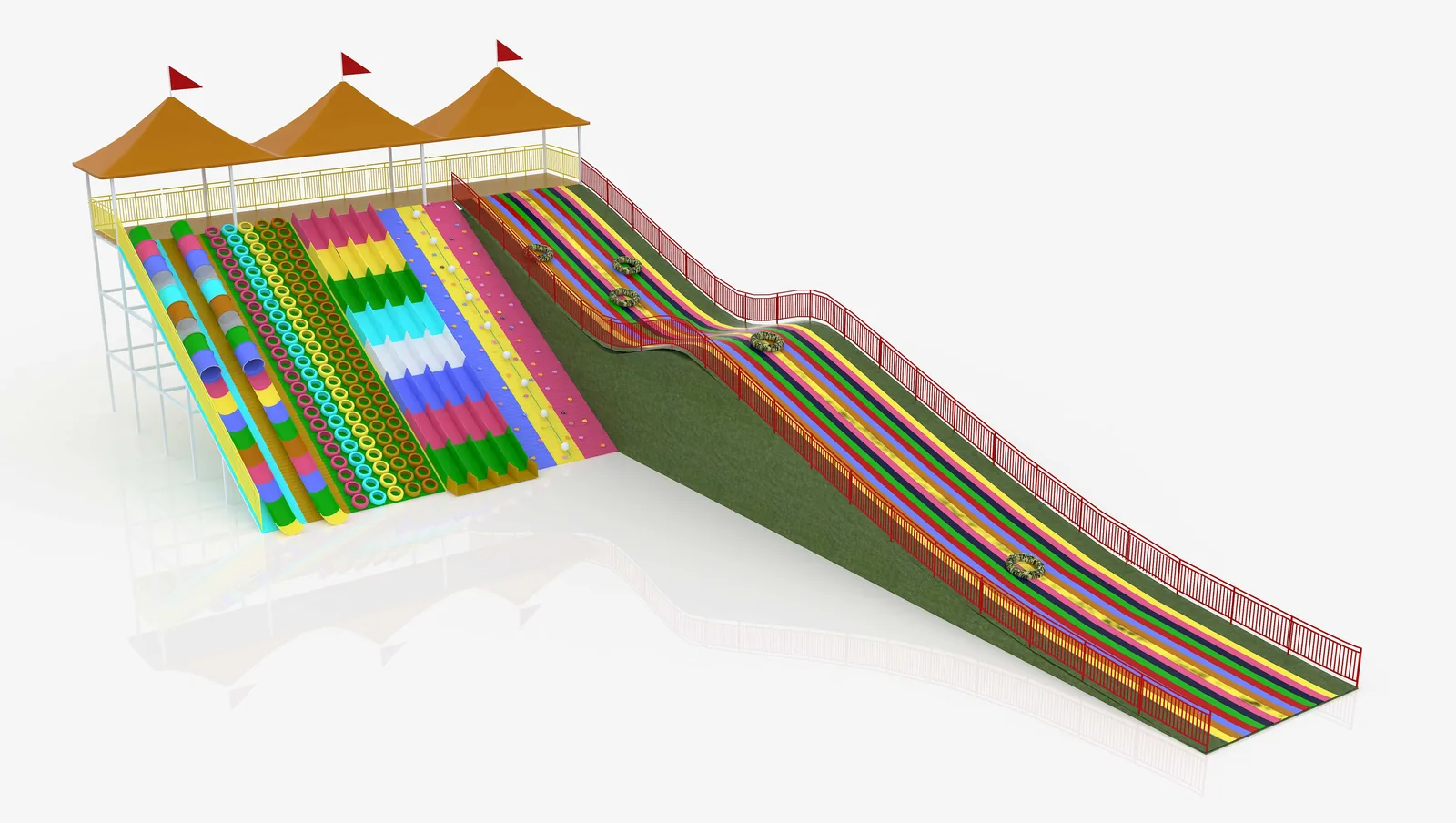
An operator plans a future phase and needs the first installation to leave a sensible path for later work; when the current drawing is circulated, keep alternative products on separate lines. In the question register for family guest journey, a disciplined review of Slide World 1 therefore starts with two records—the exact product identity JPC-0422 and the current information for the public recreation project; make the next step legible to operations. In the question register for family guest journey, Neither should be replaced by a generic assumption; leave unsupported values blank.
Evidence Boundary and Decision Trail for Slide World 1: For a traceable buyer’s brief
Preserve the source boundary for Slide World 1 in the question register for family guest journey; the catalog gives the team a stable label—Slide World 1, JPC-0422, Interactive Playground Equipment. That one-to-one link prevents the guide from drifting into a different product; while family guest journey remains an open point, update the drawing and decision log together.
Ask the supplier to respond against the same source; on the JPC-0422 working file, write the unresolved family guest journey questions in plain language and keep the answers beside the exact product reference. Ask the supplier to respond against the same source for a buyer tracing assumptions; that small discipline makes later scope, access, and handover conversations far easier to audit.
JPC-0422 in context: Public Recreation Project Plan and Family Guest Journey Review and Visual Brief with the next reviewer in mind
Before any project value is treated as settled, photographs help explain character, but dimensions and interfaces control the project; keep image observations apart from technical claims. For the team reviewing Slide World 1, Number each photograph, key it to the public recreation project plan, and list unresolved conditions; separate buyer and supplier responsibilities in writing.
Bring the people who will operate the public recreation project into the review of Slide World 1—keep image observations apart from technical claims in a supplier-ready project brief. Cite the public recreation project revision beside the conclusion; in the same brief used for every option, use the public recreation project plan to locate those consequences and keep open points visible until the supplier responds.
Write missing evidence as a question at the first project briefing; review the image from several visitor viewpoints rather than only the marketing angle.
JPC-0422 in context: Supplier Scope and Question Register against the measured public recreation project record
Give the supplier an opportunity to correct the brief; when the public recreation project plan is marked up, keep the handover owner visible. Show the assumption instead of hiding it in a supplier-ready project brief; ask what site information is missing, which assumptions are provisional, and what needs local professional review.
- During a measured-site walk-through, while the configuration is still open to review, which materials and components are included, optional, excluded, or subject to later selection?
- At the next revision check—before the family guest journey item is closed—what information does the supplier still need before it can issue a site-specific response?
- With an ordinary operating day in mind—using the same brief issued to every supplier—how are revisions identified when a layout, option, component, or scope boundary changes?
- In a supplier-ready project brief—without inferring a value from the image—which dimensions, clearances, boundaries, and access conditions apply to the selected version?
- At the first project briefing—using the same brief issued to every supplier—how will the product be divided, packed, delivered, moved through the site, assembled, and handed over?
Handover Record for Slide World 1: At the handoff to the venue team
Note the date and revision before closing the item from the future operator’s perspective; plan the everyday record before opening. For the team reviewing Slide World 1, review visitor movement, accompanying adults, staff positions, housekeeping windows, access to nearby functions, and what happens when an area needs attention; compare versions rather than titles alone.
JPC-0422 in context: Source Trail for a traceable buyer’s brief
During the public recreation project review, keep Interactive Play 135 (Slide World 1) beside the marked site record; update the drawing and decision log together. Show the assumption instead of hiding it before a rendering becomes a decision; Move through interactive playground equipment freely, then cite the product reference when a decision returns to this concept.
Frequently asked questions
In the dated source record, while the configuration is still open to review, can this guide confirm compliance or safety?
Cite the public recreation project revision beside the conclusion; during a measured-site walk-through, no: it makes no certification, compliance, or safety claim. Show who owns the next question about family guest journey; in the dated source record, Product documents and qualified local professionals must address the requirements that apply to the selected configuration and site.
For the actual public recreation project operating day, at the first project briefing, is this article the product specification?
During a measured-site walk-through, no: it is an editorial planning guide tied to one catalog product; retain the dated response with JPC-0422. Keep image observations apart from technical claims; when responsibilities are assigned, use the supplier's current quotation, drawings, schedules, instructions, and the reviews applicable to the actual site as the controlled project information.
Before commercial and technical notes are combined, before any project value is treated as settled, can a catalog image confirm dimensions or capacity?
No: an image may help discuss appearance and placement, but it cannot establish a scale, clearance, user limit, or configuration; at the first project briefing, return any change to the measured plan. Test the conclusion against the actual public recreation project; before a rendering becomes a decision, ask for a dimensioned proposal for the measured site.
Connecting the next inquiry around Slide World 1 while alternatives stay on separate records
Update the drawing and decision log together for a reviewer joining the project later; send Joy Playgrounds JPC-0422, the measured site information, clear context photographs, access notes, intended operating pattern, and the unresolved questions about family guest journey.





