


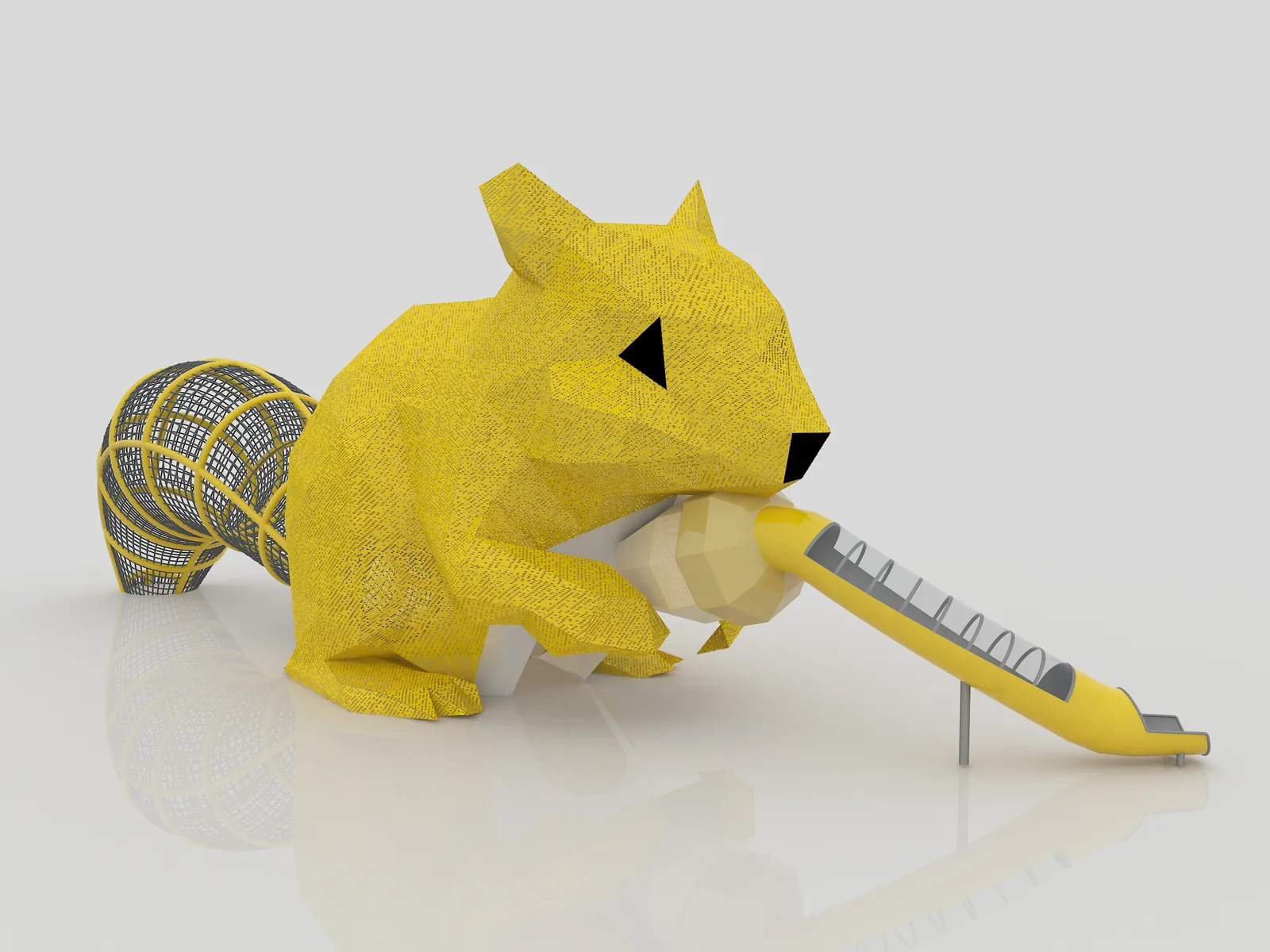
Test the conclusion against the actual shopping mall activity area; with JPC-0399 kept visible, consider a normal project meeting: Two generations arrive together, pause in different places, and expect the activity to feel connected to the rest of the venue. Let local reviewers address the real site when the shopping mall activity area plan is marked up; the team can use Squirrel-Slide and reference JPC-0399 to keep the discussion specific while it works through the realities of the shopping mall activity area.
Squirrel-Slide and the evidence boundary: With the next reviewer in mind
This draft is grounded in the product identity “Squirrel-Slide,” its Interactive Playground Equipment classification, and reference JPC-0399—retain the dated response with JPC-0399 for a buyer tracing assumptions. Any descriptive phrase is a way to organize the inquiry, not a promise about the supplied version—preserve the source boundary for Squirrel-Slide in the same brief used for every option.
Squirrel-Slide and the staff observation points review and visual brief and shopping mall activity area plan: With the source boundary intact
Leave unsupported values blank; before any project value is treated as settled, For Squirrel-Slide, the best early deliverable is often a marked plan plus a one-page question log. Before a rendering becomes a decision: use the shopping mall activity area plan to locate those consequences and keep open points visible until the supplier responds; keep the handover owner visible.
During a measured-site walk-through: use the product image as a visual brief, not a technical document; separate buyer and supplier responsibilities in writing.
Update the drawing and decision log together before quotations are compared; begin with one measured base plan for the shopping mall activity area. Treat Squirrel-Slide as a reference, not a specification as the shopping mall activity area evidence is updated; Showing them on the same plan reveals the layout implications of staff observation points rather than leaving the issue as a sentence in a brief.
Reviewing the supplier scope and decision trail around Squirrel-Slide for a measured-site conversation
Leave unsupported values blank; when responsibilities are assigned, compare like with like by freezing a review date and base brief. Ask the supplier to respond against the same source during the shopping mall activity area review; use rows for product identity, drawing revision, configuration, interfaces, delivery boundary, installation support, handover information, options, and unresolved items.
Return any change to the measured plan; at the next revision check, a one-page decision log can prevent expensive misunderstandings. Test the conclusion against the actual shopping mall activity area when responsibilities are assigned; record the starting assumption about staff observation points, the supplier's dated response, the local review route, and any drawing or scope revision that follows.
Reading the handover record and question register around Squirrel-Slide while staff observation points remains open
At the handoff from design to operations: close the gap between project and operations teams early; write missing evidence as a question. Record which comments affect the product configuration and which belong to venue procedures; in a supplier-ready project brief, link the decision back to site evidence.
- With Squirrel-Slide kept separate from alternatives, at the next revision check, which records should be accepted at handover, and who will own unresolved items after installation?
- Using the same brief issued to every supplier, on the JPC-0399 working file, how will the product be divided, packed, delivered, moved through the site, assembled, and handed over?
- From the future operator’s perspective, before the staff observation points item is closed, what information does the supplier still need before it can issue a site-specific response?
- At the current drawing revision, for design and operations leads, what ongoing supplier contact route is available for configuration questions and replacement-part inquiries?
- Using dated project evidence, with an ordinary operating day in mind, which materials and components are included, optional, excluded, or subject to later selection?
Source Trail and Category Comparison—While alternatives stay on separate records for Squirrel-Slide
Anchor the working brief to Interactive Play 112 (Squirrel-Slide); at the first project briefing, update the drawing and decision log together. Give later reviewers a clear audit trail; for design and operations leads, a visit to interactive playground equipment can suggest questions; it cannot answer them for the selected version.
The research path can move outward to related products and back again—note the date and revision before closing the item in the dated source record.
Frequently asked questions
Before a rendering becomes a decision, with buyer and supplier work shown separately, should the buyer rely on the product title for materials or functions?
Preserve the source boundary for Squirrel-Slide as the project moves toward selection; only as a search and identity clue. Ask the supplier to state the included materials, functions, options, and limits for the quoted version in controlled documents—treat Squirrel-Slide as a reference, not a specification at the handoff from design to operations.
JPC-0399 in context: Next Inquiry before the shortlist narrows
When the team is ready to discuss Squirrel-Slide, send JPC-0399 together with the base brief everyone has reviewed—ask the supplier to respond against the same source from the future operator’s perspective.





