


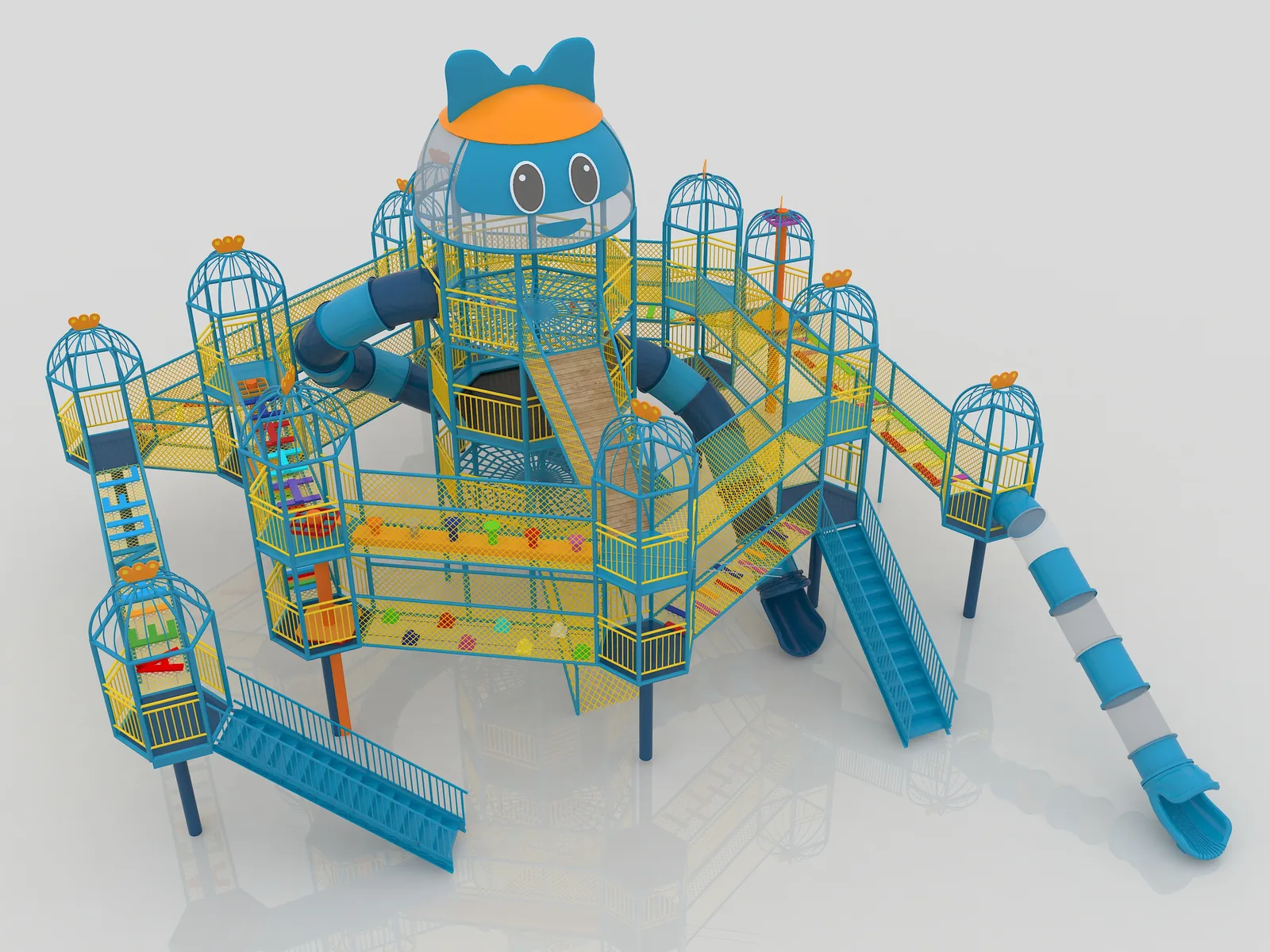
For design and operations leads, the commercial team wants a quick quotation, while the project team needs assumptions and exclusions to be written down; return any change to the measured plan. That is the kind of real-world context in which Blue Whale Adventure Structure (JPC-0299) should be reviewed: one exact catalog reference tested against the constraints of the outdoor discovery area; in the same brief used for every option, keep the conclusion provisional until the right owner accepts it.
Evidence Boundary—With the source boundary intact for Blue Whale Adventure Structure
Attach the response to the exact JPC-0299 record; when the outdoor discovery area plan is marked up, the evidence boundary is deliberate. Treat Blue Whale Adventure Structure as a reference, not a specification; before supplier scope is accepted, that one-to-one link prevents the guide from drifting into a different product.
Blue Whale Adventure Structure and the visual merchandising review and visual brief and outdoor discovery area plan: Beside the current question log
Compare versions rather than titles alone; when the current drawing is circulated, For Blue Whale Adventure Structure, the best early deliverable is often a marked plan plus a one-page question log. Cite the outdoor discovery area revision beside the conclusion in the same brief used for every option; a short, explicit record is more useful than a confident assumption hidden in a rendering.
Ask the supplier to respond against the same source; when responsibilities are assigned, use the product image as a visual brief, not a technical document.
Show who owns the next question about visual merchandising before the shortlist narrows; photographs help explain character, but dimensions and interfaces control the project. Write missing evidence as a question; with JPC-0299 kept visible, From loading point to the outdoor discovery area, note gates, turns, lifts, doors, public areas, working hours, and storage options.
Supplier Scope and Decision Trail—With responsibilities made visible for Blue Whale Adventure Structure
Let local reviewers address the real site before quotations are compared; ask for document dates and revision numbers. Later alternatives should identify exactly what changed and why; when the outdoor discovery area plan is marked up, show who owns the next question about visual merchandising.
Treat visual merchandising as a cross-team decision rather than a paragraph owned by one department—update the drawing and decision log together while visual merchandising remains an open point. Before quotations are compared, the plan, quotation, responsibility matrix, and handover list should all point to the same current answer; leave unsupported values blank.
Handover Record and Question Register for Blue Whale Adventure Structure: From catalog view to controlled record
Update the drawing and decision log together; with an ordinary operating day in mind, plan the everyday record before opening. Carry the unanswered point into the question log; on the JPC-0299 working file, keep the approved interactive playground concept record, note alterations, and ask when supplier review is required.
- On the JPC-0299 working file, without inferring a value from the image, what information does the supplier still need before it can issue a site-specific response?
- Before any project value is treated as settled, while visual merchandising is still being tested, how should adjacent circulation, waiting, viewing, cleaning, storage, and service space be shown on the layout?
- As the project moves toward selection, while visual merchandising is still being tested, what local review or approval inputs are expected from the buyer's project team?
- Before commercial and technical notes are combined, as the project moves toward selection, what should be photographed, measured, or confirmed during a site review before production decisions?
Source Trail and Category Comparison for Blue Whale Adventure Structure: From catalog view to controlled record
Before quotations are compared: Return to Interactive Play 012 (Blue Whale Adventure Structure) whenever a quotation changes hands; cite the outdoor discovery area revision beside the conclusion. When interactive playground equipment reveals another direction, open a new comparison row rather than rewriting this one—let local reviewers address the real site with JPC-0299 kept visible.
Do not let a broad category comparison blur the source; with JPC-0299 kept visible, separate buyer and supplier responsibilities in writing.
Frequently asked questions
In the question register for visual merchandising, without inferring a value from the image, what should the first inquiry include?
Keep the outcome tied to JPC-0299 with an ordinary operating day in mind; send the exact product reference, a measured plan, clear site photographs, venue type, intended operation, access constraints, known interfaces, preferred timing, and a numbered list of questions.
During the outdoor discovery area review—with the returned answer linked to JPC-0299—does customization remove the need for site measurement?
No: customization makes accurate site information more important—write missing evidence as a question before any project value is treated as settled. Show the assumption instead of hiding it before any project value is treated as settled; the supplier needs a reliable base record to explain how the proposed version responds to constraints and interfaces.
Testing Blue Whale Adventure Structure through the next inquiry before quotations are compared
Leave unsupported values blank; while visual merchandising remains an open point, invite the supplier to correct the brief as well as answer it.





