


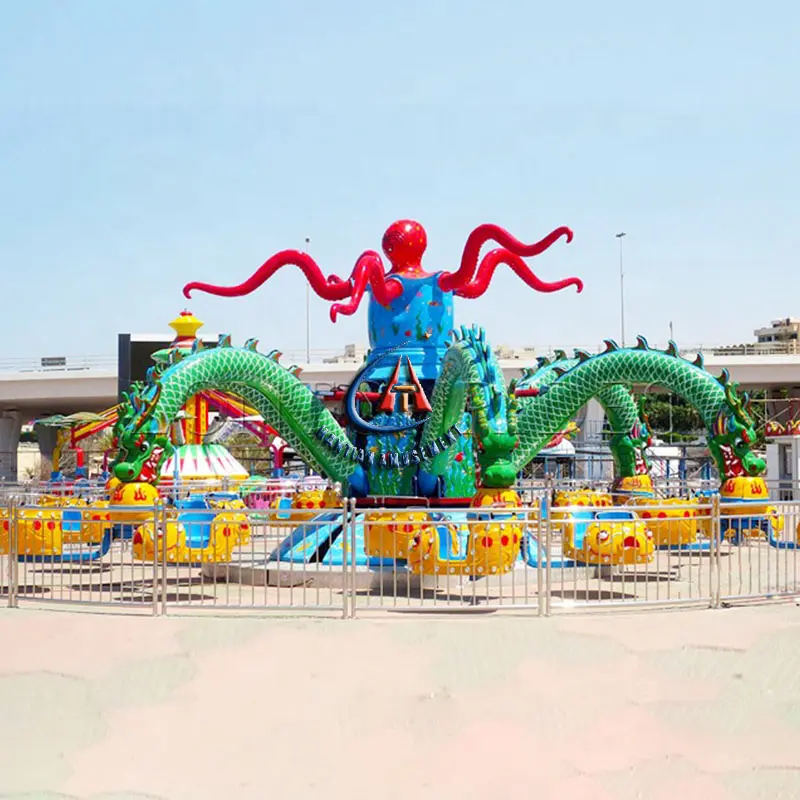
Before a rendering becomes a decision: the project is moving between design, procurement, and operations teams, making a simple decision log unexpectedly valuable; leave unsupported values blank. As the project moves toward selection, For the team considering Ocean-Themed Octopus, the next move is to connect reference JPC-0033 to a measured visitor center plaza plan without treating early assumptions as confirmed facts; carry the unanswered point into the question log.
Reviewing the evidence boundary and first reading around Ocean-Themed Octopus while wayfinding remains open
Attach the response to the exact JPC-0033 record in the question register for wayfinding; Reference JPC-0033 links this article to Ocean-Themed Octopus in Amusement Park Equipment. The remaining work is configuration-specific—keep image observations apart from technical claims during a measured-site walk-through.
A buyer can shortlist Ocean-Themed Octopus for a visitor center plaza by testing the concept against circulation, adjacent uses, staff tasks, and wayfinding; from the future operator’s perspective, give later reviewers a clear audit trail. With JPC-0033 kept visible, the commercial decision should follow only after the visitor center plaza brief explains wayfinding, access, operation, and responsibilities and the supplier responds against that same brief; carry the unanswered point into the question log.
Anchoring Ocean-Themed Octopus through the visitor center plaza plan at the current project revision
Walk the visitor center plaza in the order a visitor, staff member, cleaner, installer, and service technician would use it; while wayfinding remains an open point, write missing evidence as a question. Showing them on the same plan reveals the layout implications of wayfinding rather than leaving the issue as a sentence in a brief—separate buyer and supplier responsibilities in writing with an ordinary operating day in mind.
JPC-0033 in context: Wayfinding Review and Decision Trail before an image becomes a project claim
Before the shortlist narrows, treat wayfinding as a shared task between design, commercial, and operations teams; return any change to the measured plan. Treat Ocean-Themed Octopus as a reference, not a specification when the visitor center plaza plan is marked up; Together they show the interaction between wayfinding and the visitor center plaza, including which answers are still needed before selection.
Leave unsupported values blank for design and operations leads; treat wayfinding as a cross-team decision rather than a paragraph owned by one department. For design and operations leads, that small discipline makes later scope, access, and handover conversations far easier to audit; update the drawing and decision log together.
Documenting Ocean-Themed Octopus through the supplier scope with the next reviewer in mind
Link the decision back to site evidence; in the dated source record, send every shortlisted supplier the same plan, photographs, intended use, access record, schedule, and question list. Ask each response to separate included work, optional work, buyer responsibilities, venue responsibilities, exclusions, and documents supplied for review; during the visitor center plaza review, attach the response to the exact JPC-0033 record.
Carrying the handover record and visual brief around Ocean-Themed Octopus before quotations are compared
Cite the visitor center plaza revision beside the conclusion; before a rendering becomes a decision, future changes deserve the same discipline as the first installation. Keep alternative products on separate lines at the next revision check; keep the approved amusement attraction concept record, note alterations, and ask when supplier review is required.
From the future operator’s perspective: use the product image as a visual brief, not a technical document; note the date and revision before closing the item.
Reviewing the category comparison and source trail around Ocean-Themed Octopus with responsibilities made visible
The research path can move outward to related products and back again; at the first project briefing, show who owns the next question about wayfinding.
Anchor the working brief to Amusement Ride 011 (Ocean-Themed Octopus); in the same brief used for every option, keep the conclusion provisional until the right owner accepts it. During a measured-site walk-through: Move through commercial amusement park equipment freely, then cite the product reference when a decision returns to this concept; show the assumption instead of hiding it.
Frequently asked questions
With an ordinary operating day in mind—before the shortlist becomes an order—what should the first inquiry include?
When responsibilities are assigned: send the exact product reference, a measured plan, clear site photographs, venue type, intended operation, access constraints, known interfaces, preferred timing, and a numbered list of questions; leave unsupported values blank.
Tracing Ocean-Themed Octopus through the next inquiry before quotations are compared
Preserve the source boundary for Ocean-Themed Octopus; before the shortlist narrows, invite the supplier to correct the brief as well as answer it.





