


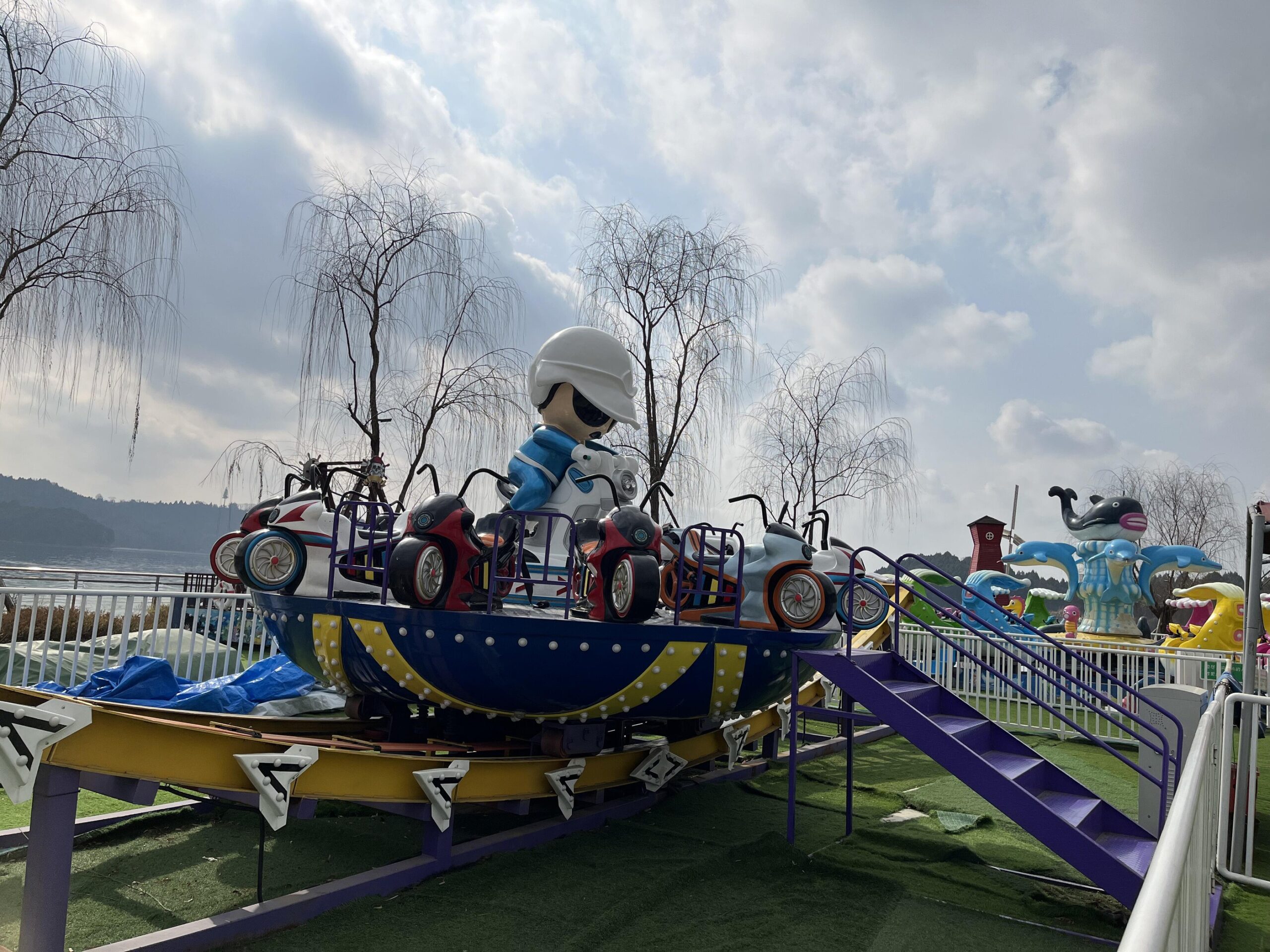
A small site has enough floor area on paper, but doors, boundaries, and waiting space reduce what is genuinely usable; in a supplier-ready project brief, note the date and revision before closing the item. At the handoff from design to operations: this planning moment explains why Mini UFO needs more than a visual shortlist; write missing evidence as a question. In the dated source record, keep JPC-0289 attached to every drawing, question, and supplier response for the waterfront leisure site; keep the conclusion provisional until the right owner accepts it.
Evidence Boundary and Decision Trail—From concept review to a dated decision for Mini UFO
For a buyer tracing assumptions, Mini UFO is the exact catalog subject of this page, tracked as JPC-0289 in Amusement Park Equipment; note the date and revision before closing the item. When responsibilities are assigned: the image and title can guide questions about visual direction and application, but final technical and commercial details must come from the selected configuration's current quotation, drawings, schedules, and manuals; return any change to the measured plan.
Attach the response to the exact JPC-0289 record; for a buyer tracing assumptions, treat site measurement as a cross-team decision rather than a paragraph owned by one department. That small discipline makes later scope, access, and handover conversations far easier to audit—write missing evidence as a question while site measurement remains an open point.
Anchoring the waterfront leisure site plan and site measurement review and visual brief around Mini UFO with site assumptions called out
In the question register for site measurement: measure the real access route, not only the final room; treat Mini UFO as a reference, not a specification. Keep the conclusion provisional until the right owner accepts it; in a supplier-ready project brief, ask how the selected amusement attraction concept is divided for delivery and how the installation plan protects site measurement.
When the waterfront leisure site plan is marked up, Bring the people who will operate the waterfront leisure site into the review of Mini UFO; ask the supplier to respond against the same source. Write the desired outcome, the evidence available, the responsible person, and the supplier question; for the team reviewing Mini UFO, let local reviewers address the real site.
As the project moves toward selection: Appearance matters because visitors read the whole setting before they read a product name; ask the supplier to respond against the same source.
Supplier Scope and Question Register—Before handover questions are deferred for Mini UFO
Show who owns the next question about site measurement; before a rendering becomes a decision, create a responsibility matrix covering the supplier, buyer, venue, installer, and local project team. Ask what site information is missing, which assumptions are provisional, and what needs local professional review; during the waterfront leisure site review, retain the dated response with JPC-0289.
- With the returned answer linked to JPC-0289, before the shortlist narrows, what exact product name, catalog reference, configuration, and drawing revision does the offer cover?
- Using the current product link and source record, for design and operations leads, how will the product be divided, packed, delivered, moved through the site, assembled, and handed over?
- For a reviewer joining the project later—with Mini UFO kept separate from alternatives—what information does the supplier still need before it can issue a site-specific response?
- As the waterfront leisure site evidence is updated, at the current drawing revision, which statements in the current proposal are confirmed facts and which are assumptions awaiting review?
- With Mini UFO kept separate from alternatives, for the team reviewing Mini UFO, which dimensions, clearances, boundaries, and access conditions apply to the selected version?
- During the waterfront leisure site review—before the shortlist becomes an order—what work belongs to the supplier, buyer, venue, installer, and local professional team?
Handover Record—Before quotations are compared for Mini UFO
A normal operating day can expose issues a product image cannot; at the first project briefing, leave unsupported values blank. Before quotations are compared, a short index should point staff to the current drawing, configuration record, routine information, escalation contacts, and the person responsible for site measurement; write missing evidence as a question.
Source Trail—For a traceable buyer’s brief for Mini UFO
Check the title and reference on Amusement Ride 068 (Mini UFO) at each revision; in the same brief used for every option, identify which document controls the answer. Before supplier scope is accepted, Let commercial amusement park equipment widen the shortlist while the product reference keeps the evidence narrow; treat Mini UFO as a reference, not a specification.
Frequently asked questions
At the handoff from design to operations—using the current product link and source record—what happens if the site changes after quotation?
Connect commercial language to the marked plan; from the future operator’s perspective, update the site record, tell the supplier, and request a marked revision that explains any effect on configuration, scope, access, interfaces, program, and operations.
Next Inquiry for Mini UFO: Against the measured waterfront leisure site record
Return any change to the measured plan at the first project briefing; close the research loop with a product-specific conversation.





