


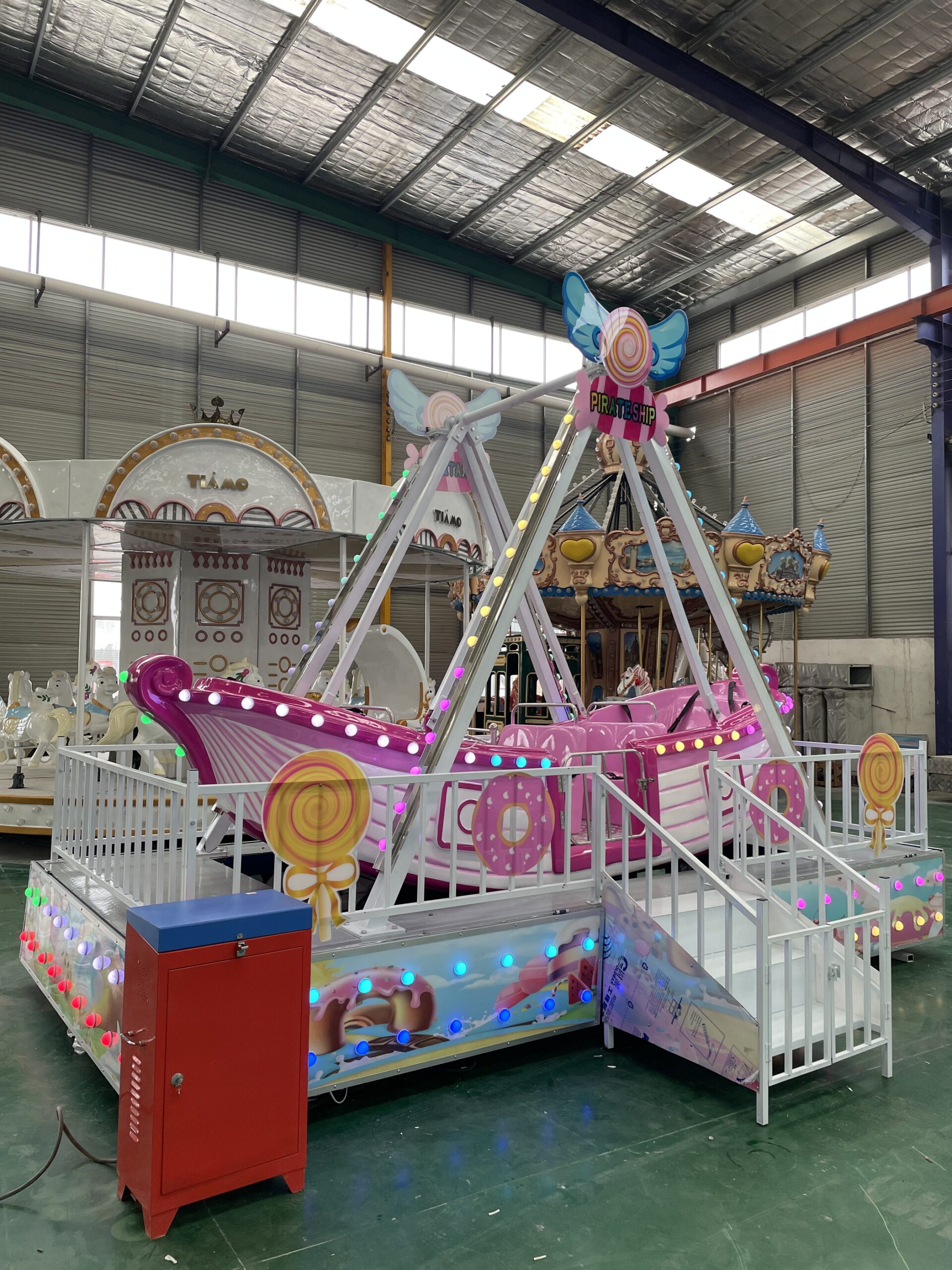
Attach the response to the exact JPC-0286 record at the next revision check; the commercial team wants a quick quotation, while the project team needs assumptions and exclusions to be written down. When the current drawing is circulated: a disciplined review of Candy Pirate Ship therefore starts with two records—the exact product identity JPC-0286 and the current information for the scenic destination; keep the outcome tied to JPC-0286. Show the assumption instead of hiding it; before a rendering becomes a decision, Neither should be replaced by a generic assumption.
Framing the first reading and decision trail around Candy Pirate Ship with the source boundary intact
Candy Pirate Ship is best treated as an amusement attraction concept to be configured for the actual scenic destination; with JPC-0286 kept visible, attach the response to the exact JPC-0286 record. Ask the supplier to respond against the same source; before quotations are compared, before requesting a quote, document the measured site, intended operation, revision control, delivery path, and local review route.
Note the date and revision before closing the item; in a supplier-ready project brief, treat revision control as a cross-team decision rather than a paragraph owned by one department. A decision about revision control is not complete until the team records who confirmed it, which revision it affects, and what remains open—give later reviewers a clear audit trail when the scenic destination plan is marked up.
Evidence Boundary—For a traceable buyer’s brief for Candy Pirate Ship
The catalog gives the team a stable label—Candy Pirate Ship, JPC-0286, Amusement Park Equipment—preserve the source boundary for Candy Pirate Ship during a measured-site walk-through. Keep the handover owner visible; when the scenic destination plan is marked up, that restraint gives buyers a clearer list of what the supplier still needs to confirm.
Questioning the revision control review and scenic destination plan around Candy Pirate Ship for the next supplier exchange
The team should agree how revision control will be judged before proposals arrive—show the assumption instead of hiding it before the shortlist narrows. Before the shortlist narrows: review Candy Pirate Ship against that criterion, record exceptions, and ask the supplier to show relevant interfaces on the current scenic destination drawing; leave unsupported values blank.
Write missing evidence as a question before the shortlist narrows; walk the scenic destination in the order a visitor, staff member, cleaner, installer, and service technician would use it. Treat Candy Pirate Ship as a reference, not a specification; at the handoff from design to operations, Number each photograph, key it to the scenic destination plan, and list unresolved conditions.
JPC-0286 in context: Visual Brief before quotations are compared
Use the product image as a visual brief, not a technical document; with JPC-0286 kept visible, ask the supplier to respond against the same source.
Supplier Scope and Question Register—Before quotations are compared for Candy Pirate Ship
Request a marked layout and configuration summary with the quotation; with JPC-0286 kept visible, let local reviewers address the real site. Let local reviewers address the real site when the scenic destination plan is marked up; Commercial terms, drawings, configuration schedules, and operating information should refer to the same selected version.
- At the handoff from design to operations, before any assumption enters the handover file, which records should be accepted at handover, and who will own unresolved items after installation?
- For a buyer tracing assumptions, using the current product link and source record, which statements in the current proposal are confirmed facts and which are assumptions awaiting review?
- During the scenic destination review, with each option assigned its own revision, how are revisions identified when a layout, option, component, or scope boundary changes?
- When responsibilities are assigned—while the configuration is still open to review—how will the product be divided, packed, delivered, moved through the site, assembled, and handed over?
- Before commercial and technical notes are combined, as the project moves toward selection, which user, operator, inspection, cleaning, maintenance, or emergency information will be supplied for this configuration?
Handover Record—Before an image becomes a project claim for Candy Pirate Ship
At the first project briefing: make the handover usable on a busy day; note the date and revision before closing the item. The venue's responsible person decides readiness with input from the supplier and relevant local professionals; this article does not establish that the amusement attraction concept is ready for use; for a buyer tracing assumptions, identify which document controls the answer.
Candy Pirate Ship and the source trail and category comparison: With the next reviewer in mind
For the team reviewing Candy Pirate Ship: put Amusement Ride 065 (Candy Pirate Ship) at the head of the comparison sheet; identify which document controls the answer. Update the drawing and decision log together before the shortlist narrows; Browse commercial amusement park equipment for context, but return every conclusion to the exact listing.
When the scenic destination plan is marked up: a clean source trail makes the category useful without creating ambiguity; carry the unanswered point into the question log.
Frequently asked questions
For a buyer tracing assumptions, with JPC-0286 as the product key, why keep a revision log for a single product?
At the first project briefing: options and site decisions can change drawings, scope, access, appearance, or operations; test the conclusion against the actual scenic destination. Let local reviewers address the real site before the shortlist narrows; a revision log helps commercial, design, installation, and operations teams work from the same version.
For the team reviewing Candy Pirate Ship, before the revision control item is closed, what happens if the site changes after quotation?
Keep alternative products on separate lines with an ordinary operating day in mind; update the site record, tell the supplier, and request a marked revision that explains any effect on configuration, scope, access, interfaces, program, and operations.
Before any project value is treated as settled—at the current drawing revision—can the product category decide where it should be installed?
When the scenic destination plan is marked up: no: the category organizes the catalog; carry the unanswered point into the question log. Show the assumption instead of hiding it; for a reviewer joining the project later, the selected configuration, measured venue, supplier guidance, and relevant local professional review determine whether and how a concept fits a real project.
Next Inquiry—Before commercial scope is accepted for Candy Pirate Ship
Send Joy Playgrounds JPC-0286, the measured site information, clear context photographs, access notes, intended operating pattern, and the unresolved questions about revision control; in the question register for revision control, separate buyer and supplier responsibilities in writing.





