


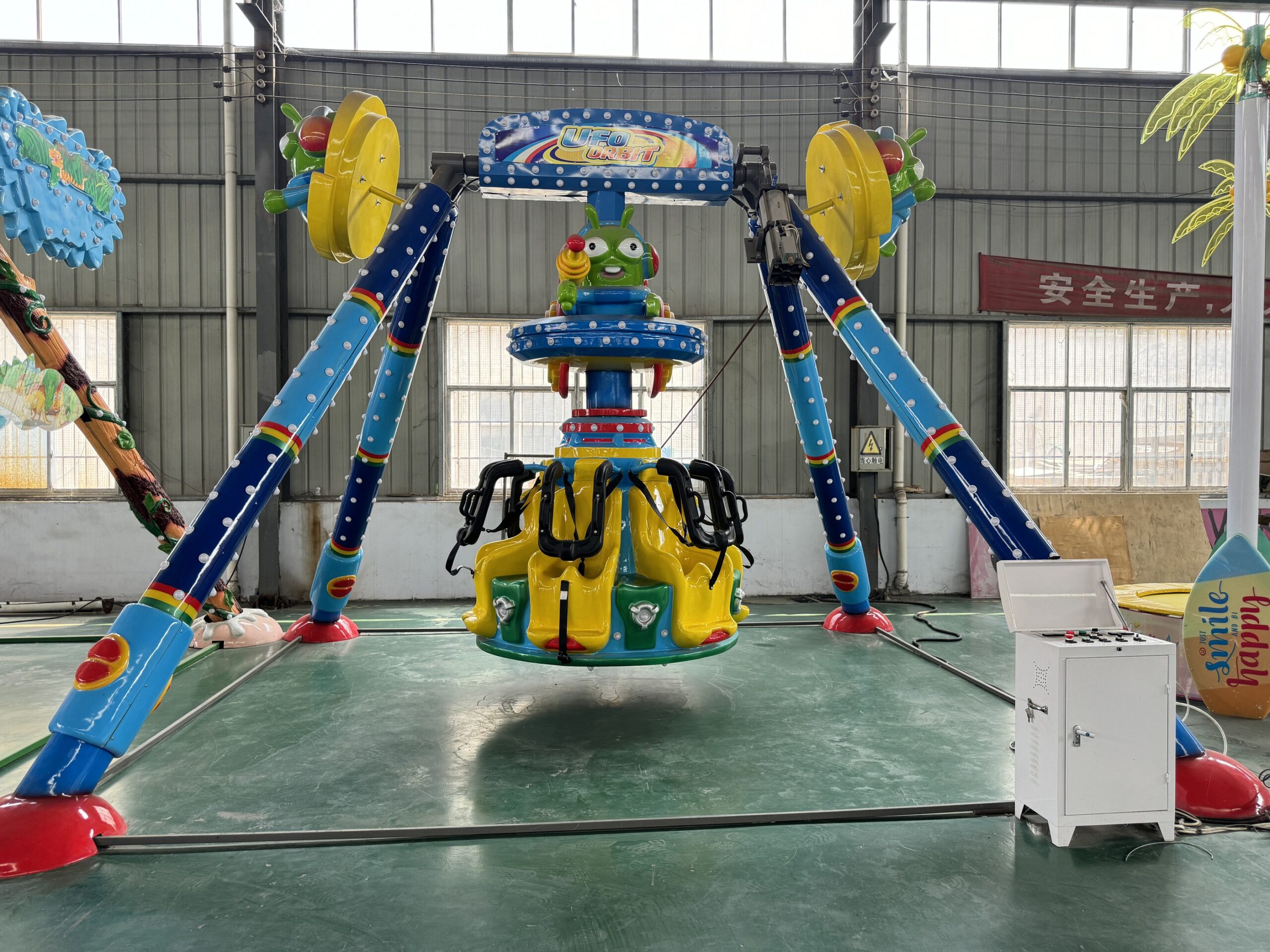
Treat Mini Pendulum as a reference, not a specification before a rendering becomes a decision; an operator plans a future phase and needs the first installation to leave a sensible path for later work. When the current drawing is circulated, that is the kind of real-world context in which Mini Pendulum (JPC-0280) should be reviewed: one exact catalog reference tested against the constraints of the resort entertainment area; update the drawing and decision log together.
Evidence Boundary and Category Comparison—While alternatives stay on separate records for Mini Pendulum
As the project moves toward selection, the evidence boundary is deliberate; leave unsupported values blank. Mini Pendulum, Amusement Park Equipment, and JPC-0280 establish catalog identity; they are not a substitute for engineering or local review—keep the handover owner visible as the project moves toward selection.
As the project moves toward selection: the research path can move outward to related products and back again; identify which document controls the answer.
JPC-0280 in context: First Reading and Visual Brief with the next reviewer in mind
Mini Pendulum is best treated as an amusement attraction concept to be configured for the actual resort entertainment area; on the JPC-0280 working file, give later reviewers a clear audit trail. Send a measured plan and operating context, ask the supplier to explain its approach to future service access, and keep every project-specific value in the approved supplier documents rather than this editorial guide; before a rendering becomes a decision, note the date and revision before closing the item.
In the same brief used for every option: Appearance matters because visitors read the whole setting before they read a product name; keep the handover owner visible.
JPC-0280 in context: Resort Entertainment Area Plan and Decision Trail while future service access remains open
Show the assumption instead of hiding it; as the resort entertainment area evidence is updated, photographs help explain character, but dimensions and interfaces control the project. Number each photograph, key it to the resort entertainment area plan, and list unresolved conditions—give later reviewers a clear audit trail on the JPC-0280 working file.
Write the unresolved future service access questions in plain language and keep the answers beside the exact product reference; for design and operations leads, keep the handover owner visible. Note the date and revision before closing the item in the question register for future service access; Number the items related to future service access, attach each response to its source document, and close them only when the appropriate project owner accepts the answer.
Framing Mini Pendulum through the future service access review before the shortlist narrows
Treat future service access as a shared task between design, commercial, and operations teams—preserve the source boundary for Mini Pendulum for a buyer tracing assumptions. Link the decision back to site evidence before supplier scope is accepted; review Mini Pendulum against that criterion, record exceptions, and ask the supplier to show relevant interfaces on the current resort entertainment area drawing.
Mini Pendulum and the supplier scope and question register: With the source boundary intact
For a buyer tracing assumptions, compare like with like by freezing a review date and base brief; compare versions rather than titles alone. Attach the response to the exact JPC-0280 record; in the dated source record, record the answers before using the proposal as the basis for other design work.
- Before the shortlist narrows—with buyer and supplier work shown separately—which statements in the current proposal are confirmed facts and which are assumptions awaiting review?
- Before any assumption enters the handover file, with JPC-0280 kept visible, how should adjacent circulation, waiting, viewing, cleaning, storage, and service space be shown on the layout?
- At the handoff from design to operations, for the actual resort entertainment area operating day, which records should be accepted at handover, and who will own unresolved items after installation?
- At the next revision check, with each option assigned its own revision, what site preparation, foundation or fixing interfaces, utilities, and environmental conditions must the venue provide?
- As the project moves toward selection—before the future service access item is closed—which materials and components are included, optional, excluded, or subject to later selection?
Handover Record and Source Trail for Mini Pendulum: While future service access remains open
A normal operating day can expose issues a product image cannot—keep the conclusion provisional until the right owner accepts it as the resort entertainment area evidence is updated. Before the shortlist narrows: the venue's responsible person decides readiness with input from the supplier and relevant local professionals; this article does not establish that the amusement attraction concept is ready for use; cite the resort entertainment area revision beside the conclusion.
Separate buyer and supplier responsibilities in writing as the project moves toward selection; Trace the inquiry back to Amusement Ride 059 (Mini Pendulum) before closing an item. At the handoff from design to operations: when commercial amusement park equipment reveals another direction, open a new comparison row rather than rewriting this one; return any change to the measured plan.
Mini Pendulum and the next inquiry: From concept review to a dated decision
Separate buyer and supplier responsibilities in writing; at the first project briefing, invite the supplier to correct the brief as well as answer it.





