


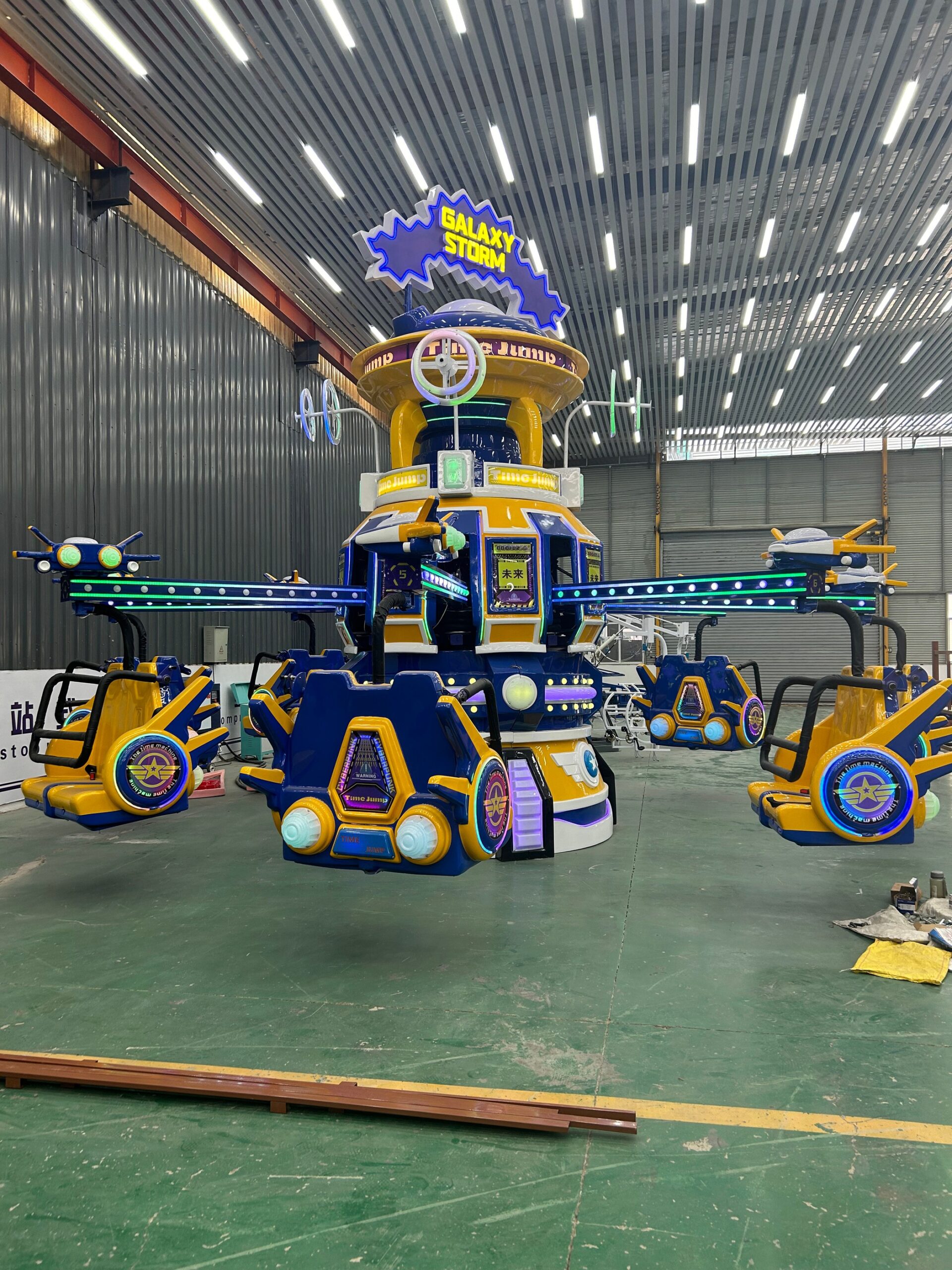
Separate buyer and supplier responsibilities in writing; during the family amusement park review, the first inquiry contains only an image; the improved brief adds site context, intended use, access, and unresolved questions. Make the next step legible to operations for a reviewer joining the project later; that is the kind of real-world context in which Space-Time Jump (JPC-0271) should be reviewed: one exact catalog reference tested against the constraints of the family amusement park.
Reading Space-Time Jump through the evidence boundary and first reading for a measured-site conversation
When responsibilities are assigned, Space-Time Jump is the exact catalog subject of this page, tracked as JPC-0271 in Amusement Park Equipment; keep image observations apart from technical claims. The article intentionally leaves unverified specifications blank; at the next revision check, keep the outcome tied to JPC-0271.
Keep image observations apart from technical claims on the JPC-0271 working file; Space-Time Jump answers the question “which concept are we discussing?” It does not answer “what exactly will be supplied?” For a family amusement park, turn future service access and every other unknown into a controlled inquiry, marked plan, and revision log before approval. Before supplier scope is accepted: a useful family amusement park inquiry states the physical constraints, visitor journey, future service access, documentation needs, and questions that cannot be answered from a photograph; return any change to the measured plan.
Situating Space-Time Jump through the family amusement park plan before a drawing is treated as final
Ask the supplier to respond against the same source in the same brief used for every option; consider the space immediately outside the proposed equipment boundary. With JPC-0271 kept visible: For the family amusement park, map waiting, viewing, staff movement, housekeeping, and access to nearby uses; let local reviewers address the real site.
Anchoring Space-Time Jump through the future service access review and decision trail while alternatives stay on separate records
Imagine the family amusement park on an ordinary operating day and note every moment connected to future service access; at the handoff from design to operations, preserve the source boundary for Space-Time Jump. Ask the supplier to respond against the same source in a supplier-ready project brief; For Space-Time Jump, convert each observation into either a layout note, an operating action, or a configuration question.
Retain the dated response with JPC-0271; as the family amusement park evidence is updated, the brief should be readable by design, procurement, installation, and operations teams. The plan, quotation, responsibility matrix, and handover list should all point to the same current answer—return any change to the measured plan in a supplier-ready project brief.
Framing Space-Time Jump through the supplier scope before a drawing is treated as final
Create a responsibility matrix covering the supplier, buyer, venue, installer, and local project team—note the date and revision before closing the item before the shortlist narrows. Ask each response to separate included work, optional work, buyer responsibilities, venue responsibilities, exclusions, and documents supplied for review—retain the dated response with JPC-0271 while future service access remains an open point.
Reading Space-Time Jump through the handover record and visual brief with site assumptions called out
At the handoff from design to operations, make the handover usable on a busy day; keep alternative products on separate lines. Show who owns the next question about future service access at the handoff from design to operations; the venue's responsible person decides readiness with input from the supplier and relevant local professionals; this article does not establish that the amusement attraction concept is ready for use.
Compare versions rather than titles alone from the future operator’s perspective; a strong visual concept should still belong to its venue.
Framing the category comparison and source trail around Space-Time Jump with site assumptions called out
At the first project briefing, Related listings may help the buyer understand available directions, but they are not interchangeable evidence; separate buyer and supplier responsibilities in writing.
Update the drawing and decision log together before any project value is treated as settled; begin the source trail at Amusement Ride 050 (Space-Time Jump), not a saved image. In the question register for future service access, Browse commercial amusement park equipment for context, but return every conclusion to the exact listing; write missing evidence as a question.
Space-Time Jump and the next inquiry: Before a drawing is treated as final
As the family amusement park evidence is updated, a useful next email names Space-Time Jump and JPC-0271 in the subject line, attaches the current site record, and lists the future service access decisions still awaiting evidence; preserve the source boundary for Space-Time Jump.





