


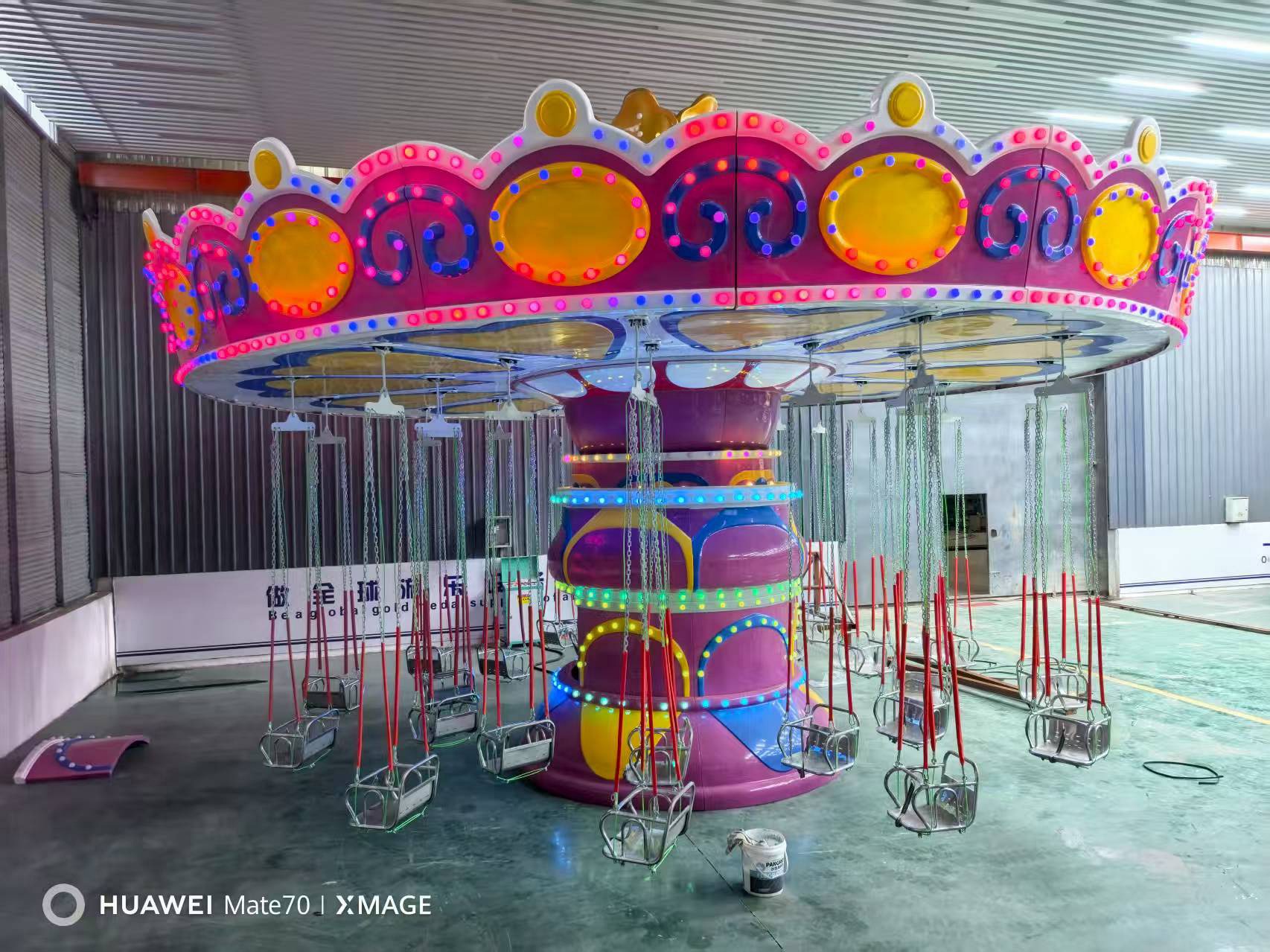
A school or family venue needs a calm arrival sequence before visitors reach the more energetic part of the experience—note the date and revision before closing the item in the question register for visual merchandising. In a supplier-ready project brief, For the team considering Pink Flying Chair, the next move is to connect reference JPC-0267 to a measured family amusement park plan without treating early assumptions as confirmed facts; preserve the source boundary for Pink Flying Chair.
First Reading and Family Amusement Park Plan for Pink Flying Chair: Beside the current question log
While visual merchandising remains an open point, For a family amusement park, Pink Flying Chair can anchor an early concept discussion, but it is not a finished specification; retain the dated response with JPC-0267. Match it to the measured family amusement park, then resolve visual merchandising, access, interfaces, responsibilities, and handover records with the supplier and the professionals responsible for the real site; for a buyer tracing assumptions, preserve the source boundary for Pink Flying Chair.
For the team reviewing Pink Flying Chair: walk the family amusement park in the order a visitor, staff member, cleaner, installer, and service technician would use it; carry the unanswered point into the question log. Link the decision back to site evidence; for a reviewer joining the project later, Mark usable boundaries, level changes, doors, columns, overhead constraints, routes, and adjacent functions.
Questioning Pink Flying Chair through the visual brief before quotations are compared
Show the assumption instead of hiding it in the dated source record; a strong visual concept should still belong to its venue.
Tracing the visual merchandising review and question register around Pink Flying Chair without guessing at specifications
A practical review of Pink Flying Chair asks what improves when the team handles visual merchandising well, and what remains unresolved when it does not; before supplier scope is accepted, cite the family amusement park revision beside the conclusion. In a supplier-ready project brief: Together they show the interaction between visual merchandising and the family amusement park, including which answers are still needed before selection; update the drawing and decision log together.
- Against the measured family amusement park record, as the project moves toward selection, how should adjacent circulation, waiting, viewing, cleaning, storage, and service space be shown on the layout?
- For the actual family amusement park operating day, for design and operations leads, what local review or approval inputs are expected from the buyer's project team?
- For design and operations leads—while the configuration is still open to review—which options change the appearance, footprint, access, program, documentation, or operating plan?
- Before any project value is treated as settled, before the visual merchandising item is closed, what should be photographed, measured, or confirmed during a site review before production decisions?
- Before supplier scope is accepted, before commercial and technical notes are combined, how are revisions identified when a layout, option, component, or scope boundary changes?
JPC-0267 in context: Evidence Boundary and Decision Trail before quotations are compared
From the future operator’s perspective, this draft is grounded in the product identity “Pink Flying Chair,” its Amusement Park Equipment classification, and reference JPC-0267; carry the unanswered point into the question log. While visual merchandising remains an open point: the image and title can guide questions about visual direction and application, but final technical and commercial details must come from the selected configuration's current quotation, drawings, schedules, and manuals; keep the conclusion provisional until the right owner accepts it.
For a buyer tracing assumptions, a one-page decision log can prevent expensive misunderstandings; keep the outcome tied to JPC-0267. In the same brief used for every option, that small discipline makes later scope, access, and handover conversations far easier to audit; let local reviewers address the real site.
Testing the supplier scope and handover record around Pink Flying Chair while alternatives stay on separate records
At the next revision check, compare like with like by freezing a review date and base brief; retain the dated response with JPC-0267. For the team reviewing Pink Flying Chair: ask each response to separate included work, optional work, buyer responsibilities, venue responsibilities, exclusions, and documents supplied for review; return any change to the measured plan.
Future changes deserve the same discipline as the first installation; at the next revision check, compare versions rather than titles alone. A short index should point staff to the current drawing, configuration record, routine information, escalation contacts, and the person responsible for visual merchandising; before any project value is treated as settled, separate buyer and supplier responsibilities in writing.
Carrying the source trail and category comparison around Pink Flying Chair with the source boundary intact
Begin the source trail at Amusement Ride 046 (Pink Flying Chair), not a saved image; before quotations are compared, identify which document controls the answer. Keep notes from commercial amusement park equipment outside the product record until the supplier confirms which option they describe—show who owns the next question about visual merchandising at the handoff from design to operations.
Link the decision back to site evidence; as the family amusement park evidence is updated, use the wider category to build a shortlist, then bring every option back to the same measured brief.
Frequently asked questions
With unresolved points left visible, for design and operations leads, should the buyer rely on the product title for materials or functions?
Only as a search and identity clue; at the first project briefing, link the decision back to site evidence. Ask the supplier to state the included materials, functions, options, and limits for the quoted version in controlled documents—carry the unanswered point into the question log at the handoff from design to operations.
During the family amusement park review, with unresolved points left visible, can the product category decide where it should be installed?
No: the category organizes the catalog—show who owns the next question about visual merchandising while visual merchandising remains an open point. Before a rendering becomes a decision, the selected configuration, measured venue, supplier guidance, and relevant local professional review determine whether and how a concept fits a real project; compare versions rather than titles alone.
Before supplier scope is accepted—using dated project evidence—what should the first inquiry include?
When responsibilities are assigned: send the exact product reference, a measured plan, clear site photographs, venue type, intended operation, access constraints, known interfaces, preferred timing, and a numbered list of questions; keep alternative products on separate lines.
Mapping Pink Flying Chair through the next inquiry from concept review to a dated decision
Before a rendering becomes a decision: Turn this research into a numbered inquiry; keep alternative products on separate lines.





