


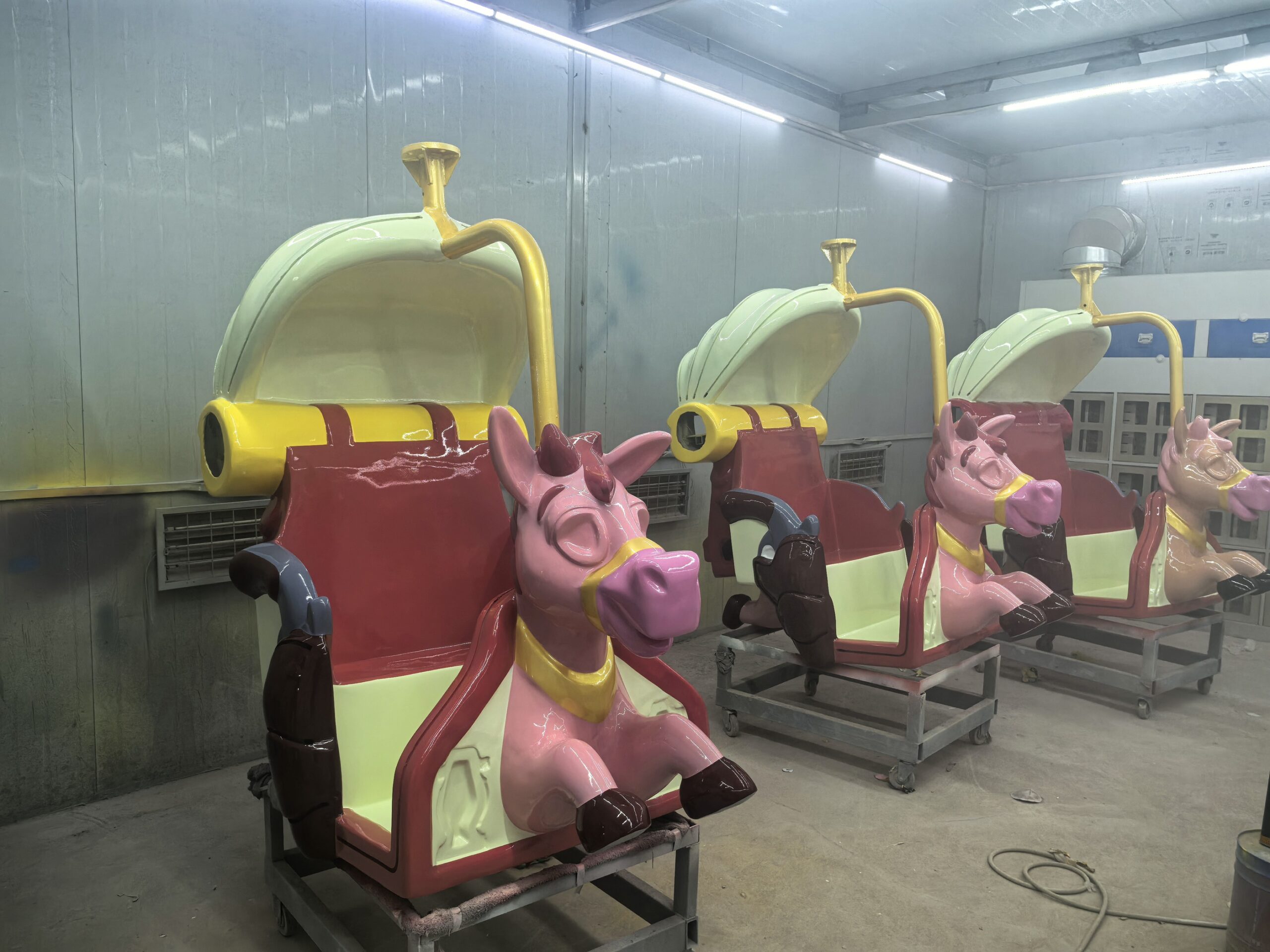
A maintenance lead joins the concept meeting early and asks how staff will reach every routine service point later; for the team reviewing Cowboy Theme, give later reviewers a clear audit trail. This planning moment explains why Cowboy Theme needs more than a visual shortlist; at the next revision check, ask the supplier to respond against the same source. At the first project briefing: keep JPC-0263 attached to every drawing, question, and supplier response for the festival midway; let local reviewers address the real site.
Cowboy Theme and the festival midway plan and first reading and evidence boundary: With the operating day in view
Consider the space immediately outside the proposed equipment boundary—leave unsupported values blank from the future operator’s perspective. In the question register for space priorities, From loading point to the festival midway, note gates, turns, lifts, doors, public areas, working hours, and storage options; carry the unanswered point into the question log.
A buyer can shortlist Cowboy Theme for a festival midway by testing the concept against circulation, adjacent uses, staff tasks, and space priorities; before any project value is treated as settled, keep alternative products on separate lines. Send a measured plan and operating context, ask the supplier to explain its approach to space priorities, and keep every project-specific value in the approved supplier documents rather than this editorial guide—keep image observations apart from technical claims with JPC-0263 kept visible.
Ask the supplier to respond against the same source; during a measured-site walk-through, keep the first line of the decision log simple: product JPC-0263, “Cowboy Theme,” category Amusement Park Equipment. A responsible review distinguishes what can be observed or named from what must be documented before procurement or public use—let local reviewers address the real site before a rendering becomes a decision.
Connecting the space priorities review and visual brief and decision trail around Cowboy Theme before commercial scope is accepted
With JPC-0263 kept visible: the team should agree how space priorities will be judged before proposals arrive; note the date and revision before closing the item. Review Cowboy Theme against that criterion, record exceptions, and ask the supplier to show relevant interfaces on the current festival midway drawing—show the assumption instead of hiding it when the festival midway plan is marked up.
The picture can help the team discuss character and placement, but it cannot settle the project; before any project value is treated as settled, keep the outcome tied to JPC-0263.
Cite the festival midway revision beside the conclusion; with an ordinary operating day in mind, give every unresolved point an owner, a source, and a due date. In a supplier-ready project brief, Number the items related to space priorities, attach each response to its source document, and close them only when the appropriate project owner accepts the answer; note the date and revision before closing the item.
JPC-0263 in context: Question Register and Supplier Scope and Handover Record and Source Trail from catalog view to controlled record
- As the project moves toward selection—with unresolved points left visible—how are revisions identified when a layout, option, component, or scope boundary changes?
- Using the current product link and source record, when responsibilities are assigned, how should adjacent circulation, waiting, viewing, cleaning, storage, and service space be shown on the layout?
- With JPC-0263 kept visible—with Cowboy Theme kept separate from alternatives—which dimensions, clearances, boundaries, and access conditions apply to the selected version?
- In the question register for space priorities, with buyer and supplier work shown separately, which materials and components are included, optional, excluded, or subject to later selection?
At the handoff from design to operations, compare like with like by freezing a review date and base brief; give later reviewers a clear audit trail. If an option changes the footprint, appearance, utility, access, program, or operating plan, ask the supplier to state that effect clearly and issue a revised document when the option changes—treat Cowboy Theme as a reference, not a specification for design and operations leads.
Close the gap between project and operations teams early—treat Cowboy Theme as a reference, not a specification when the current drawing is circulated. The amusement attraction concept file can include approved revisions, handover notes, staff responsibilities, routine logs, supplier correspondence, and a controlled route for changes—identify which document controls the answer in a supplier-ready project brief.
At the handoff from design to operations: keep Amusement Ride 042 (Cowboy Theme) beside the marked site record; keep alternative products on separate lines. Before quotations are compared: keep notes from commercial amusement park equipment outside the product record until the supplier confirms which option they describe; leave unsupported values blank.
Frequently asked questions
While the configuration is still open to review, in a supplier-ready project brief, can this guide confirm compliance or safety?
During a measured-site walk-through, no: it makes no certification, compliance, or safety claim; attach the response to the exact JPC-0263 record. Preserve the source boundary for Cowboy Theme before the shortlist narrows; Product documents and qualified local professionals must address the requirements that apply to the selected configuration and site.
At the first project briefing—while space priorities is still being tested—why keep a revision log for a single product?
For the team reviewing Cowboy Theme, options and site decisions can change drawings, scope, access, appearance, or operations; link the decision back to site evidence. A revision log helps commercial, design, installation, and operations teams work from the same version; as the festival midway evidence is updated, test the conclusion against the actual festival midway.
While space priorities is still being tested, during the festival midway review, is this article the product specification?
Before the shortlist narrows, no: it is an editorial planning guide tied to one catalog product; ask the supplier to respond against the same source. With JPC-0263 kept visible, use the supplier's current quotation, drawings, schedules, instructions, and the reviews applicable to the actual site as the controlled project information; attach the response to the exact JPC-0263 record.
JPC-0263 in context: Next Inquiry for the next supplier exchange
Prepare one controlled project pack for Cowboy Theme: reference JPC-0263, measured plan, photographs, scope boundary, responsibilities, timing constraints, and the question register for space priorities—note the date and revision before closing the item from the future operator’s perspective.





