


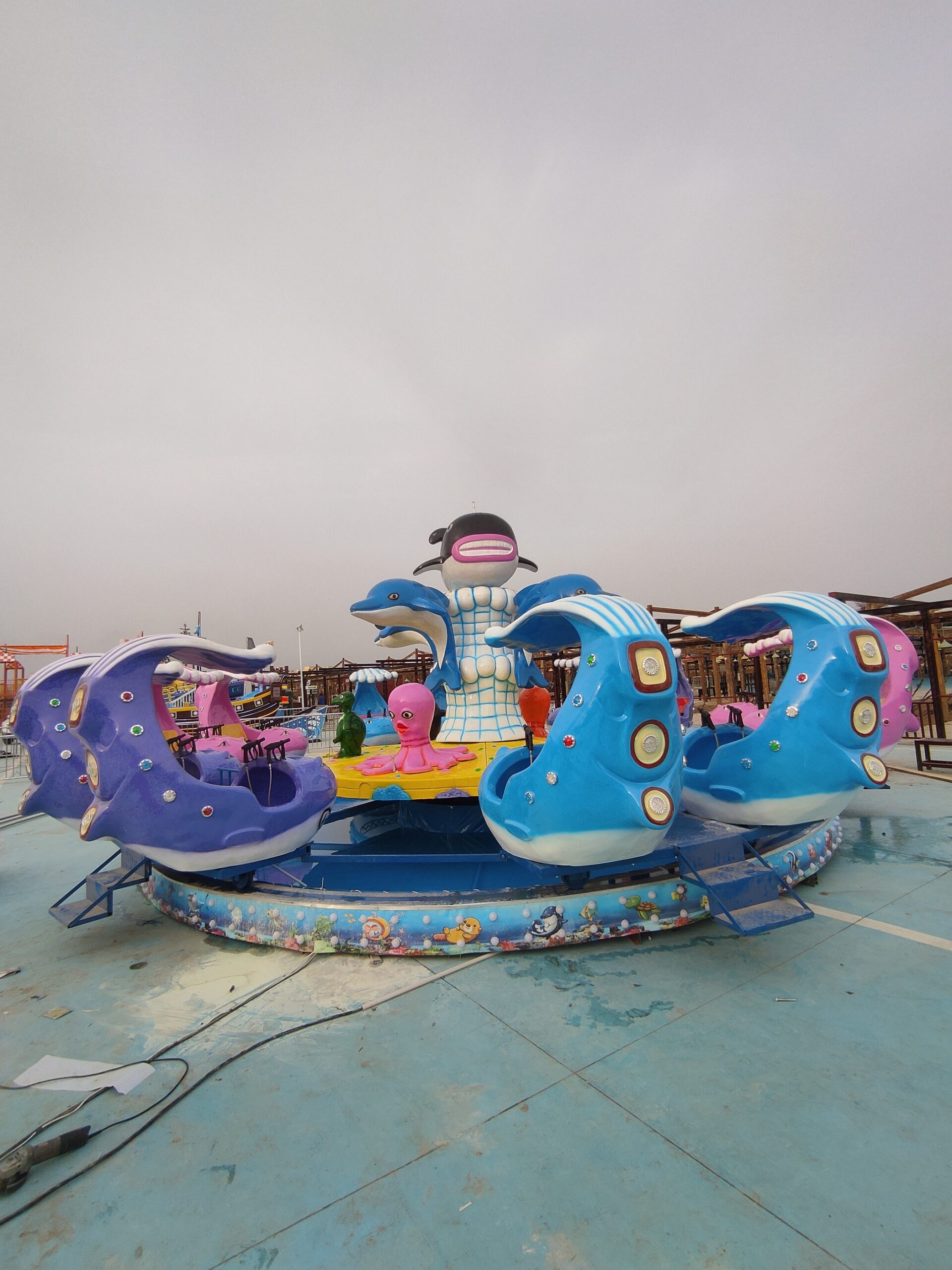
Ask the supplier to respond against the same source; when the current drawing is circulated, an operator plans a future phase and needs the first installation to leave a sensible path for later work. In the dated source record, that is the kind of real-world context in which Shark Island Battle (JPC-0262) should be reviewed: one exact catalog reference tested against the constraints of the shopping mall attraction zone; keep the conclusion provisional until the right owner accepts it.
First Reading and Evidence Boundary—Against the measured shopping mall attraction zone record for Shark Island Battle
For design and operations leads: For a shopping mall attraction zone, Shark Island Battle can anchor an early concept discussion, but it is not a finished specification; give later reviewers a clear audit trail. Cite the shopping mall attraction zone revision beside the conclusion; at the next revision check, the commercial decision should follow only after the shopping mall attraction zone brief explains concept review, access, operation, and responsibilities and the supplier responds against that same brief.
Connect commercial language to the marked plan; in the same brief used for every option, this draft is grounded in the product identity “Shark Island Battle,” its Amusement Park Equipment classification, and reference JPC-0262. That one-to-one link prevents the guide from drifting into a different product—show the assumption instead of hiding it before a rendering becomes a decision.
Concept Review Review and Shopping Mall Attraction Zone Plan and Decision Trail for Shark Island Battle: Before quotations are compared
The team should agree how concept review will be judged before proposals arrive—show who owns the next question about concept review with an ordinary operating day in mind. Carry the unanswered point into the question log before any project value is treated as settled; Shark Island Battle is the product reference; the shopping mall attraction zone brief must explain who confirms the condition, who approves it, and which document records the decision.
Consider the space immediately outside the proposed equipment boundary—keep the outcome tied to JPC-0262 during a measured-site walk-through. In a supplier-ready project brief, Mark usable boundaries, level changes, doors, columns, overhead constraints, routes, and adjacent functions; let local reviewers address the real site.
Keep the outcome tied to JPC-0262 for the team reviewing Shark Island Battle; before comparing alternatives, agree on the evidence required for concept review. Record the starting assumption about concept review, the supplier's dated response, the local review route, and any drawing or scope revision that follows; with an ordinary operating day in mind, separate buyer and supplier responsibilities in writing.
Reviewing Shark Island Battle through the supplier scope and handover record for a traceable buyer’s brief
Keep the conclusion provisional until the right owner accepts it; at the first project briefing, treat every attractive rendering as a proposal, not evidence that the site has been checked. Before any project value is treated as settled, Leave blanks open instead of filling them with assumptions; test the conclusion against the actual shopping mall attraction zone.
Separate buyer and supplier responsibilities in writing; at the handoff from design to operations, make the handover usable on a busy day. Compare versions rather than titles alone; when responsibilities are assigned, record which comments affect the product configuration and which belong to venue procedures.
Reviewing Shark Island Battle through the category comparison and source trail beside the current question log
Cite the shopping mall attraction zone revision beside the conclusion at the handoff from design to operations; Related listings may help the buyer understand available directions, but they are not interchangeable evidence.
Before quotations are compared, use Amusement Ride 041 (Shark Island Battle) as the first source in the decision log; give later reviewers a clear audit trail. Identify which document controls the answer; at the first project briefing, Browse commercial amusement park equipment for context, but return every conclusion to the exact listing.
Frequently asked questions
With the returned answer linked to JPC-0262, before any project value is treated as settled, what belongs in a useful handover file?
At the first project briefing, include the accepted configuration record, current drawings, supplier instructions, training and inspection information, responsibility notes, escalation contacts, and a list of open or later actions; keep alternative products on separate lines.
When responsibilities are assigned—with the returned answer linked to JPC-0262—how should two supplier quotations be compared?
Issue the same base brief to both suppliers, then compare configuration, revision, inclusions, exclusions, interfaces, responsibilities, documents, options, and unresolved questions—not price alone; when the shopping mall attraction zone plan is marked up, keep alternative products on separate lines.
With an ordinary operating day in mind—using dated project evidence—does customization remove the need for site measurement?
Leave unsupported values blank with an ordinary operating day in mind; no: customization makes accurate site information more important. When the current drawing is circulated, the supplier needs a reliable base record to explain how the proposed version responds to constraints and interfaces; connect commercial language to the marked plan.
Shark Island Battle and the next inquiry: While alternatives stay on separate records
Give later reviewers a clear audit trail with an ordinary operating day in mind; send Joy Playgrounds JPC-0262, the measured site information, clear context photographs, access notes, intended operating pattern, and the unresolved questions about concept review.





