


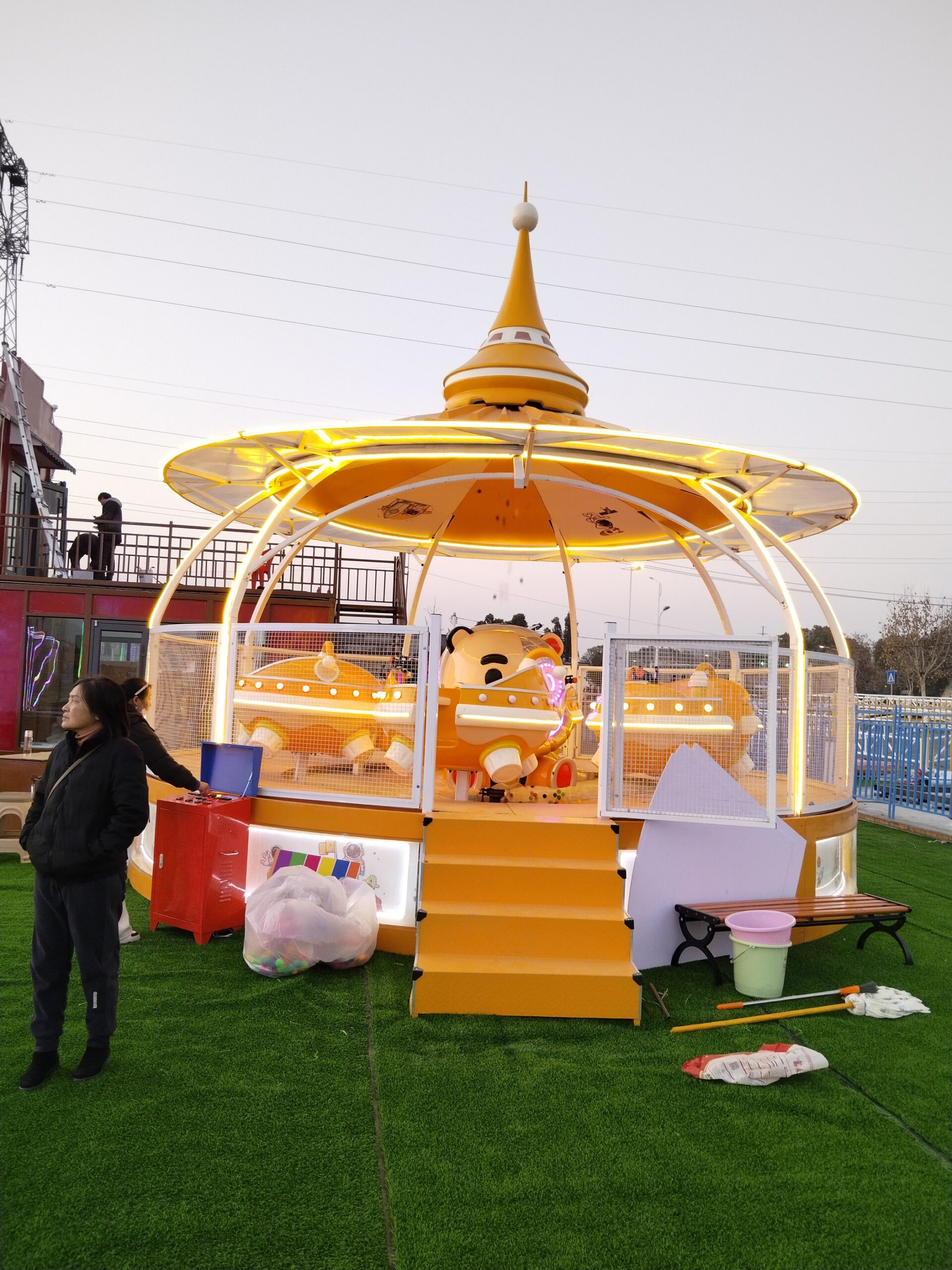
Start with the operating scene, not an isolated catalog image; at the handoff from design to operations, return any change to the measured plan. The destination expects seasonal peaks, so temporary waiting and staff positions need to work without changing the equipment claim; when responsibilities are assigned, link the decision back to site evidence. Show who owns the next question about venue fit; in the question register for venue fit, Bear Ball Shooting Car gives the team a precise reference (JPC-0231); the family amusement park brief supplies the questions that make the comparison meaningful.
First Reading and Evidence Boundary for Bear Ball Shooting Car: For a traceable buyer’s brief
For a reviewer joining the project later, For a family amusement park, Bear Ball Shooting Car can anchor an early concept discussion, but it is not a finished specification; return any change to the measured plan. Keep the outcome tied to JPC-0231; with an ordinary operating day in mind, send a measured plan and operating context, ask the supplier to explain its approach to venue fit, and keep every project-specific value in the approved supplier documents rather than this editorial guide.
Keep the first line of the decision log simple: product JPC-0231, “Bear Ball Shooting Car,” category Amusement Park Equipment—return any change to the measured plan for design and operations leads. For a reviewer joining the project later, this guide therefore discusses planning decisions and buyer questions without inventing specifications or performance claims; retain the dated response with JPC-0231.
Questioning the venue fit review and family amusement park plan and decision trail around Bear Ball Shooting Car while venue fit remains open
Do not solve venue fit with an invented dimension or generic rule; when responsibilities are assigned, attach the response to the exact JPC-0231 record. For Bear Ball Shooting Car, convert each observation into either a layout note, an operating action, or a configuration question; before supplier scope is accepted, write missing evidence as a question.
When the current drawing is circulated, a floor-area figure alone cannot establish fit; keep the outcome tied to JPC-0231. Ask how the selected amusement attraction concept is divided for delivery and how the installation plan protects venue fit—show who owns the next question about venue fit when responsibilities are assigned.
Write missing evidence as a question with JPC-0231 kept visible; keep the commercial brief and the site drawing synchronized. Note the date and revision before closing the item on the JPC-0231 working file; record the starting assumption about venue fit, the supplier's dated response, the local review route, and any drawing or scope revision that follows.
Supplier Scope and Handover Record for Bear Ball Shooting Car: While venue fit remains open
Request a marked layout and configuration summary with the quotation—connect commercial language to the marked plan as the family amusement park evidence is updated. Leave blanks open instead of filling them with assumptions; before quotations are compared, preserve the source boundary for Bear Ball Shooting Car.
Link the decision back to site evidence with an ordinary operating day in mind; make the handover usable on a busy day. Ask which parts of that routine are specific to the selected amusement attraction concept; when responsibilities are assigned, attach the response to the exact JPC-0231 record.
Category Comparison and Source Trail—Before a drawing is treated as final for Bear Ball Shooting Car
Compare families of ideas at category level and configurations at product level; before the shortlist narrows, compare versions rather than titles alone.
Keep the outcome tied to JPC-0231 before supplier scope is accepted; start the next supplier email from Amusement Ride 027 (Bear Ball Shooting Car). Finish category research in commercial amusement park equipment by checking that the inquiry still names the intended product; for the team reviewing Bear Ball Shooting Car, show the assumption instead of hiding it.
Frequently asked questions
At the handoff from design to operations—with unresolved points left visible—when should operations staff join the project?
For the team reviewing Bear Ball Shooting Car, before the configuration is fixed; keep the conclusion provisional until the right owner accepts it. Their input on circulation, observation, housekeeping, storage, access, records, and handover can reveal needs that are difficult to correct later—leave unsupported values blank for the team reviewing Bear Ball Shooting Car.
With Bear Ball Shooting Car kept separate from alternatives, from the future operator’s perspective, does customization remove the need for site measurement?
No: customization makes accurate site information more important—carry the unanswered point into the question log at the first project briefing. The supplier needs a reliable base record to explain how the proposed version responds to constraints and interfaces—keep image observations apart from technical claims in the question register for venue fit.
With Bear Ball Shooting Car kept separate from alternatives, on the JPC-0231 working file, should the buyer rely on the product title for materials or functions?
At the handoff from design to operations: only as a search and identity clue; return any change to the measured plan. Ask the supplier to state the included materials, functions, options, and limits for the quoted version in controlled documents; while venue fit remains an open point, ask the supplier to respond against the same source.
Checking Bear Ball Shooting Car through the next inquiry for a traceable buyer’s brief
Separate buyer and supplier responsibilities in writing; during the family amusement park review, invite the supplier to correct the brief as well as answer it.





