


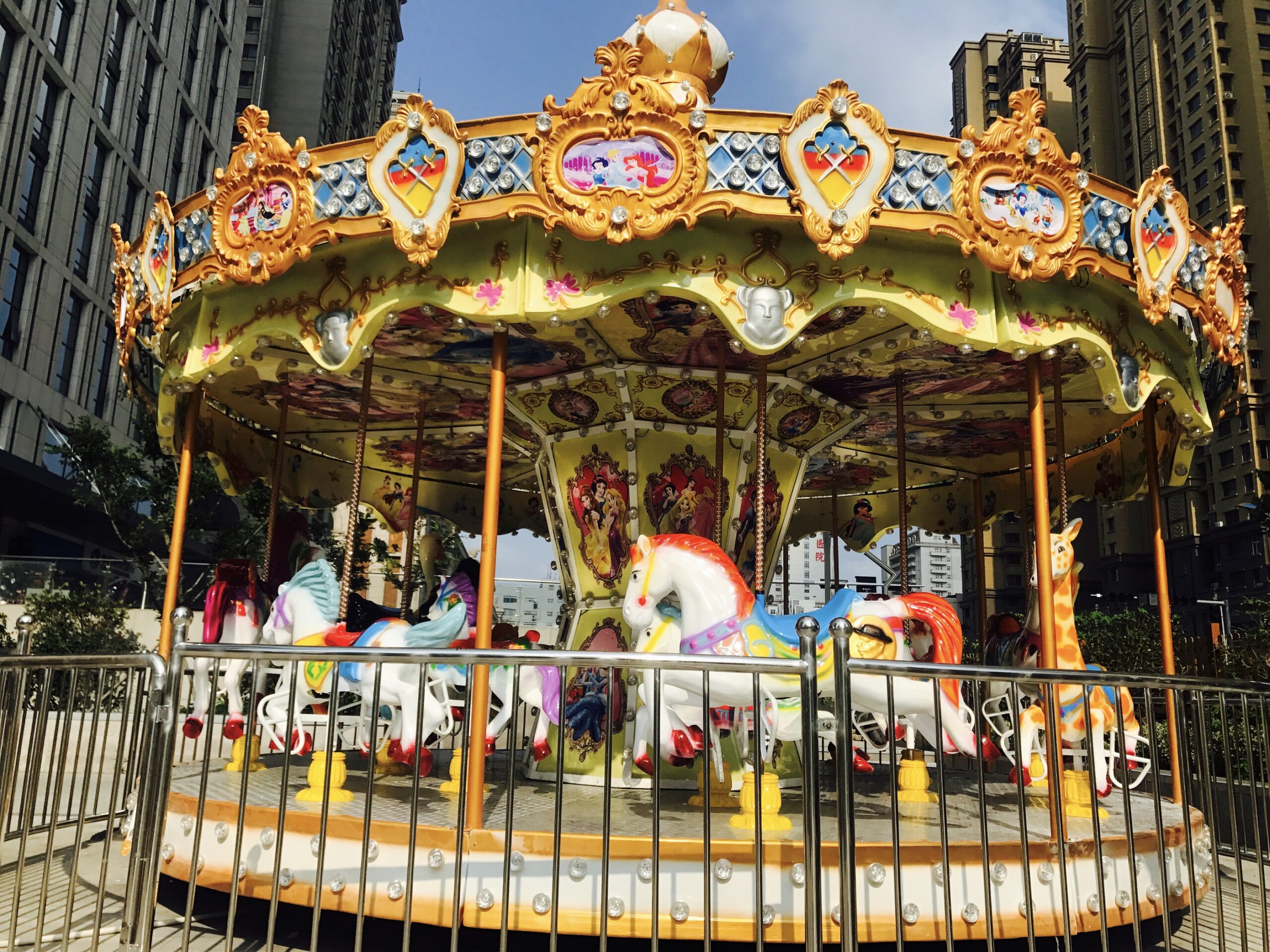
Show the assumption instead of hiding it; as the project moves toward selection, a useful buyer's guide begins where the project team is actually making decisions. An operator plans a future phase and needs the first installation to leave a sensible path for later work; at the handoff from design to operations, write missing evidence as a question. When the resort entertainment area plan is marked up: In that setting, 24-Seat Carousel (JPC-0217) is the subject of the review, while the resort entertainment area defines what still needs to be resolved; connect commercial language to the marked plan.
Decision Trail and Evidence Boundary—While alternatives stay on separate records for 24-Seat Carousel
Let local reviewers address the real site; when the resort entertainment area plan is marked up, keep the commercial brief and the site drawing synchronized. Keep the outcome tied to JPC-0217 before quotations are compared; when a supplier answer changes the team's understanding of supplier scope, revise the marked plan and decision log together so later reviewers can follow the reasoning.
Connect commercial language to the marked plan for design and operations leads; the evidence boundary is deliberate. Identify which document controls the answer before supplier scope is accepted; that one-to-one link prevents the guide from drifting into a different product.
Reviewing 24-Seat Carousel through the supplier scope and question register before a drawing is treated as final
Create a responsibility matrix covering the supplier, buyer, venue, installer, and local project team—compare versions rather than titles alone for the team reviewing 24-Seat Carousel. Let local reviewers address the real site as the project moves toward selection; ask what site information is missing, which assumptions are provisional, and what needs local professional review.
- On the JPC-0217 working file, for the actual resort entertainment area operating day, how are revisions identified when a layout, option, component, or scope boundary changes?
- In a supplier-ready project brief, with local review responsibilities identified, what work belongs to the supplier, buyer, venue, installer, and local professional team?
- When responsibilities are assigned—before the shortlist becomes an order—which statements in the current proposal are confirmed facts and which are assumptions awaiting review?
- Before any project value is treated as settled—before commercial and technical notes are combined—which materials and components are included, optional, excluded, or subject to later selection?
- Before the shortlist becomes an order, from the future operator’s perspective, what information does the supplier still need before it can issue a site-specific response?
Comparing the resort entertainment area plan around 24-Seat Carousel at the current project revision
Measure the real access route, not only the final room—test the conclusion against the actual resort entertainment area before a rendering becomes a decision. Those supporting functions often decide whether the amusement attraction concept and supplier scope can work comfortably together; at the first project briefing, keep alternative products on separate lines.
Questioning 24-Seat Carousel through the visual brief and supplier scope review before the shortlist narrows
While supplier scope remains an open point, ask the design and operations teams to annotate the same image; keep the conclusion provisional until the right owner accepts it.
Bring the people who will operate the resort entertainment area into the review of 24-Seat Carousel—keep the conclusion provisional until the right owner accepts it for design and operations leads. Treat 24-Seat Carousel as a reference, not a specification from the future operator’s perspective; their routine reveals the space, access, visibility, storage, or documented procedure required for supplier scope—details the initial concept may not show.
24-Seat Carousel and the handover record and category comparison: From concept review to a dated decision
Separate buyer and supplier responsibilities in writing as the resort entertainment area evidence is updated; the final pre-opening review should distinguish completed work, accepted documents, staff actions, and unresolved items. Before supplier scope is accepted: keep the approved amusement attraction concept record, note alterations, and ask when supplier review is required; retain the dated response with JPC-0217.
At the first project briefing, do not let a broad category comparison blur the source; identify which document controls the answer.
Source Trail—Beside the current question log for 24-Seat Carousel
Open Amusement Ride 014 (24-Seat Carousel) before comparing any neighboring listing; in the question register for supplier scope, give later reviewers a clear audit trail. For design and operations leads: Related ideas in commercial amusement park equipment need their own links, questions, and revision trail; show the assumption instead of hiding it.
Next Inquiry—Without guessing at specifications for 24-Seat Carousel
At the handoff from design to operations, Turn this research into a numbered inquiry; link the decision back to site evidence.





