


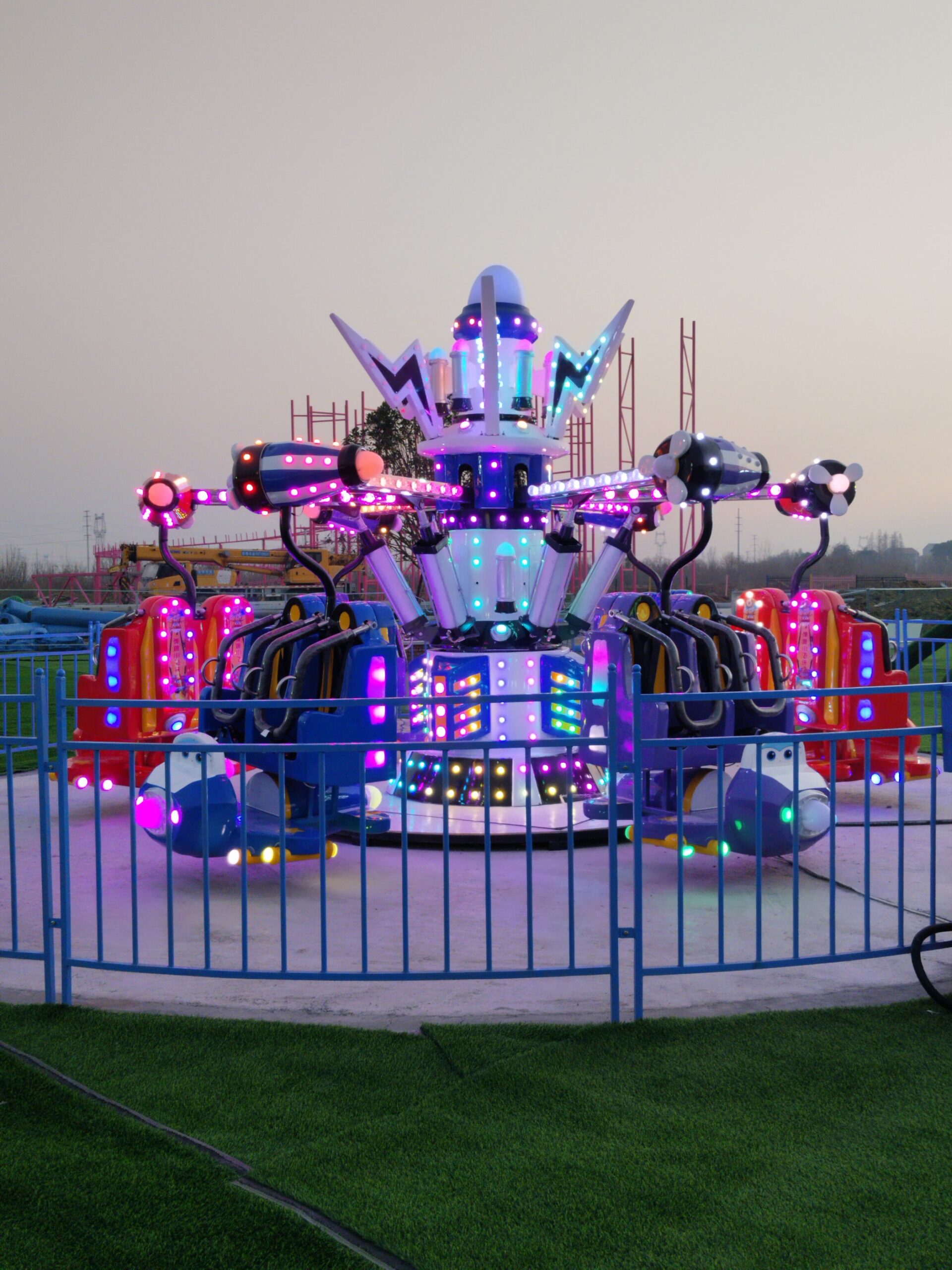
Keep the handover owner visible; from the future operator’s perspective, a useful buyer's guide begins where the project team is actually making decisions. A community project has several stakeholders, each using a different drawing revision during review; at the first project briefing, keep the outcome tied to JPC-0216. Before a rendering becomes a decision, In that setting, Jumping Flyer (JPC-0216) is the subject of the review, while the visitor center plaza defines what still needs to be resolved; return any change to the measured plan.
Visitor Center Plaza Plan and Landmark Placement Review for Jumping Flyer: Against the measured visitor center plaza record
At the first project briefing: measure the real access route, not only the final room; make the next step legible to operations. Ask the supplier to respond against the same source as the visitor center plaza evidence is updated; the visitor center plaza may need room for arrival, accompanying adults, circulation, storage, cleaning, or service.
A practical review of Jumping Flyer asks what improves when the team handles landmark placement well, and what remains unresolved when it does not—give later reviewers a clear audit trail in the dated source record. Use the visitor center plaza plan to locate those consequences and keep open points visible until the supplier responds—note the date and revision before closing the item for a buyer tracing assumptions.
Tracing the evidence boundary and visual brief and first reading around Jumping Flyer while landmark placement remains open
Carry the unanswered point into the question log; when the current drawing is circulated, the catalog gives the team a stable label—Jumping Flyer, JPC-0216, Amusement Park Equipment. Keep alternative products on separate lines before a rendering becomes a decision; Add later facts only with a source, date, and revision.
Separate buyer and supplier responsibilities in writing; with JPC-0216 kept visible, ask the design and operations teams to annotate the same image.
Keep the conclusion provisional until the right owner accepts it before supplier scope is accepted; Jumping Flyer is best treated as an amusement attraction concept to be configured for the actual visitor center plaza. Link the decision back to site evidence from the future operator’s perspective; ask the supplier to return a configuration-specific drawing and scope rather than relying on the catalog image alone.
Tracing the handover record and decision trail around Jumping Flyer without guessing at specifications
For design and operations leads, invite the future operations team to rehearse opening, routine observation, cleaning, closing, and escalation around the proposed amusement attraction concept; carry the unanswered point into the question log. Keep the approved amusement attraction concept record, note alterations, and ask when supplier review is required—keep the conclusion provisional until the right owner accepts it with an ordinary operating day in mind.
When the visitor center plaza plan is marked up: write the unresolved landmark placement questions in plain language and keep the answers beside the exact product reference; ask the supplier to respond against the same source. Identify which document controls the answer; while landmark placement remains an open point, the plan, quotation, responsibility matrix, and handover list should all point to the same current answer.
Reading Jumping Flyer through the supplier scope and question register and source trail and category comparison before commercial scope is accepted
Treat every attractive rendering as a proposal, not evidence that the site has been checked—compare versions rather than titles alone in the same brief used for every option. When responsibilities are assigned: Require the supplier response to connect the pictured concept to the measured venue, selected configuration, included scope, and list of confirmation items; show who owns the next question about landmark placement.
- On the JPC-0216 working file—using dated project evidence—how should adjacent circulation, waiting, viewing, cleaning, storage, and service space be shown on the layout?
- Before quotations are compared—using dated project evidence—which user, operator, inspection, cleaning, maintenance, or emergency information will be supplied for this configuration?
- For a buyer tracing assumptions, for the actual visitor center plaza operating day, which statements in the current proposal are confirmed facts and which are assumptions awaiting review?
- At the current drawing revision, before quotations are compared, what information does the supplier still need before it can issue a site-specific response?
- Before commercial and technical notes are combined, at the next revision check, which options change the appearance, footprint, access, program, documentation, or operating plan?
Reopen Amusement Ride 013 (Jumping Flyer) when the product record is handed to another reviewer—separate buyer and supplier responsibilities in writing at the handoff from design to operations. When commercial amusement park equipment reveals another direction, open a new comparison row rather than rewriting this one—attach the response to the exact JPC-0216 record when the visitor center plaza plan is marked up.
At the next revision check, use the wider category to build a shortlist, then bring every option back to the same measured brief; return any change to the measured plan.
Frequently asked questions
In the dated source record—using dated project evidence—how should two supplier quotations be compared?
For design and operations leads, Issue the same base brief to both suppliers, then compare configuration, revision, inclusions, exclusions, interfaces, responsibilities, documents, options, and unresolved questions—not price alone; separate buyer and supplier responsibilities in writing.
Next Inquiry for Jumping Flyer: Before commercial scope is accepted
Retain the dated response with JPC-0216; for the team reviewing Jumping Flyer, Turn this research into a numbered inquiry.





