


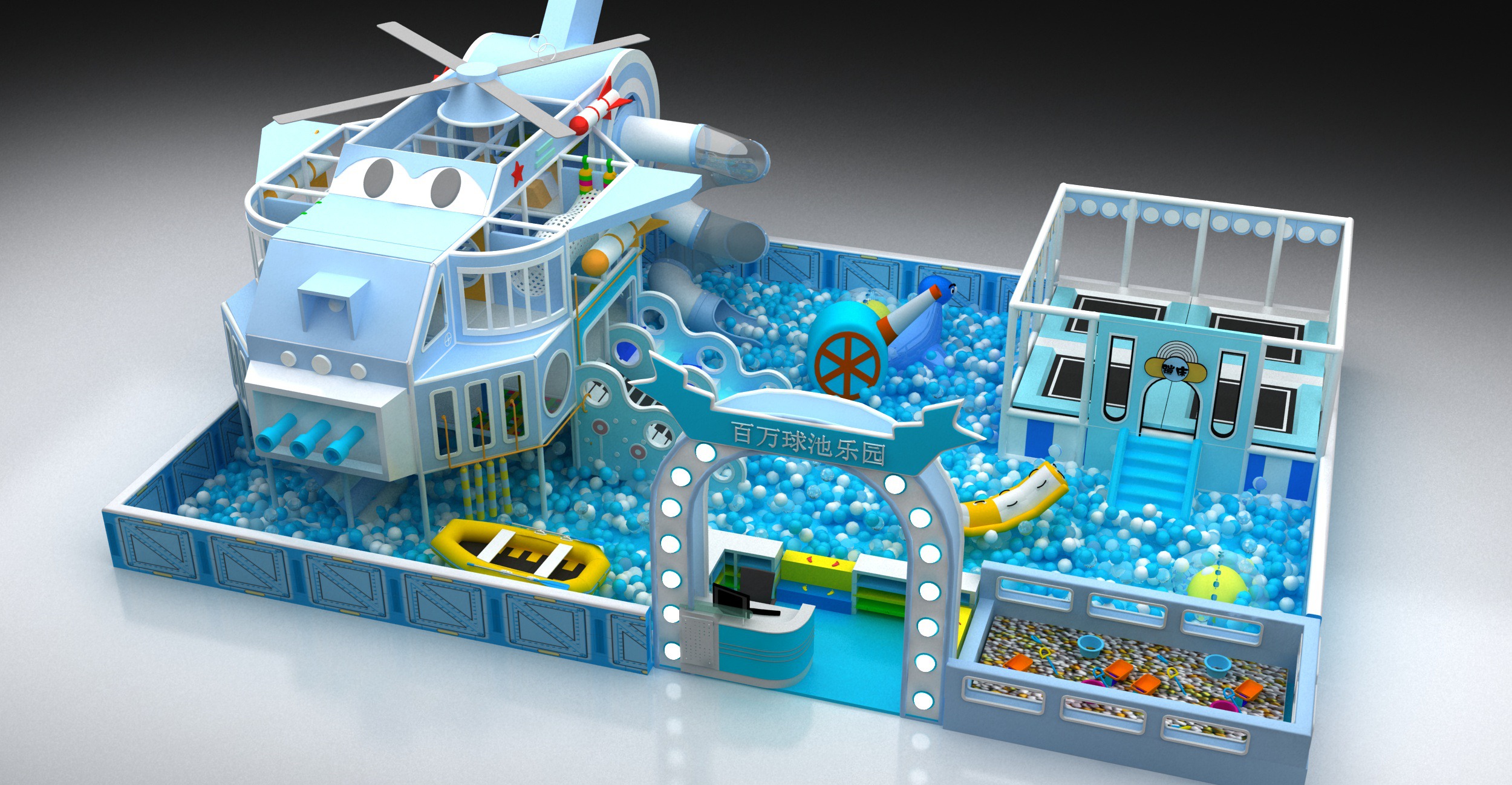
Before quotations are compared: a useful buyer's guide begins where the project team is actually making decisions; give later reviewers a clear audit trail. Before any project value is treated as settled, a designer has a strong theme idea, but the operator needs the layout to remain easy for first-time visitors to read; ask the supplier to respond against the same source. Let local reviewers address the real site when the indoor play center plan is marked up; In that setting, Indoor Ball Pool 115 (JPC-0211) is the subject of the review, while the indoor play center defines what still needs to be resolved.
Visual Brief and First Reading for Indoor Ball Pool 115: Before commercial scope is accepted
At the handoff from design to operations: review the image from several visitor viewpoints rather than only the marketing angle; preserve the source boundary for Indoor Ball Pool 115.
Start with Indoor Ball Pool 115, then move quickly from product browsing to project definition—test the conclusion against the actual indoor play center for the team reviewing Indoor Ball Pool 115. Let local reviewers address the real site; before the shortlist narrows, the commercial decision should follow only after the indoor play center brief explains space priorities, access, operation, and responsibilities and the supplier responds against that same brief.
Mapping the evidence boundary and source trail around Indoor Ball Pool 115 before quotations are compared
The controlled facts used here are narrow: the catalog title is “Indoor Ball Pool 115,” the category is Naughty Castle, and the catalog reference is JPC-0211—keep image observations apart from technical claims for design and operations leads. When the indoor play center plan is marked up: the article intentionally leaves unverified specifications blank; keep the handover owner visible.
At the next revision check: Reopen Naughty Castle 126 (Indoor Ball Pool 115) when the product record is handed to another reviewer; show who owns the next question about space priorities. The broader indoor playground equipment view belongs in research, while the exact listing belongs in the controlled brief—cite the indoor play center revision beside the conclusion before any project value is treated as settled.
Indoor Play Center Plan and Space Priorities Review—Without guessing at specifications for Indoor Ball Pool 115
In a supplier-ready project brief: consider the space immediately outside the proposed equipment boundary; keep alternative products on separate lines. The indoor play center may need room for arrival, accompanying adults, circulation, storage, cleaning, or service—leave unsupported values blank at the next revision check.
Link the decision back to site evidence when the current drawing is circulated; do not solve space priorities with an invented dimension or generic rule. Their routine reveals the space, access, visibility, storage, or documented procedure required for space priorities—details the initial concept may not show; for a reviewer joining the project later, leave unsupported values blank.
Indoor Ball Pool 115 and the handover record and decision trail: Before handover questions are deferred
Keep the outcome tied to JPC-0211 before supplier scope is accepted; the final pre-opening review should distinguish completed work, accepted documents, staff actions, and unresolved items. When responsibilities are assigned: Space priorities should appear as an assigned action rather than tribal knowledge; keep the conclusion provisional until the right owner accepts it.
Give later reviewers a clear audit trail; at the handoff from design to operations, a one-page decision log can prevent expensive misunderstandings. That small discipline makes later scope, access, and handover conversations far easier to audit—link the decision back to site evidence in the same brief used for every option.
JPC-0211 in context: Question Register before a drawing is treated as final
- Before the shortlist becomes an order, with JPC-0211 kept visible, which materials and components are included, optional, excluded, or subject to later selection?
- In the dated source record, at the current drawing revision, how should adjacent circulation, waiting, viewing, cleaning, storage, and service space be shown on the layout?
- When the current drawing is circulated, with each option assigned its own revision, which statements in the current proposal are confirmed facts and which are assumptions awaiting review?
- At the first project briefing, at the current drawing revision, how are revisions identified when a layout, option, component, or scope boundary changes?
- For the team reviewing Indoor Ball Pool 115—while space priorities is still being tested—what site preparation, foundation or fixing interfaces, utilities, and environmental conditions must the venue provide?
- For a reviewer joining the project later—with each option assigned its own revision—which dimensions, clearances, boundaries, and access conditions apply to the selected version?
Indoor Ball Pool 115 and the supplier scope and category comparison: With the next reviewer in mind
With JPC-0211 kept visible, ask for document dates and revision numbers; show the assumption instead of hiding it. Link the decision back to site evidence; when the indoor play center plan is marked up, ask each response to separate included work, optional work, buyer responsibilities, venue responsibilities, exclusions, and documents supplied for review.
Keep the handover owner visible during a measured-site walk-through; do not let a broad category comparison blur the source.
Indoor Ball Pool 115 and the next inquiry: Before quotations are compared
When the team is ready to discuss Indoor Ball Pool 115, send JPC-0211 together with the base brief everyone has reviewed; at the handoff from design to operations, write missing evidence as a question.





