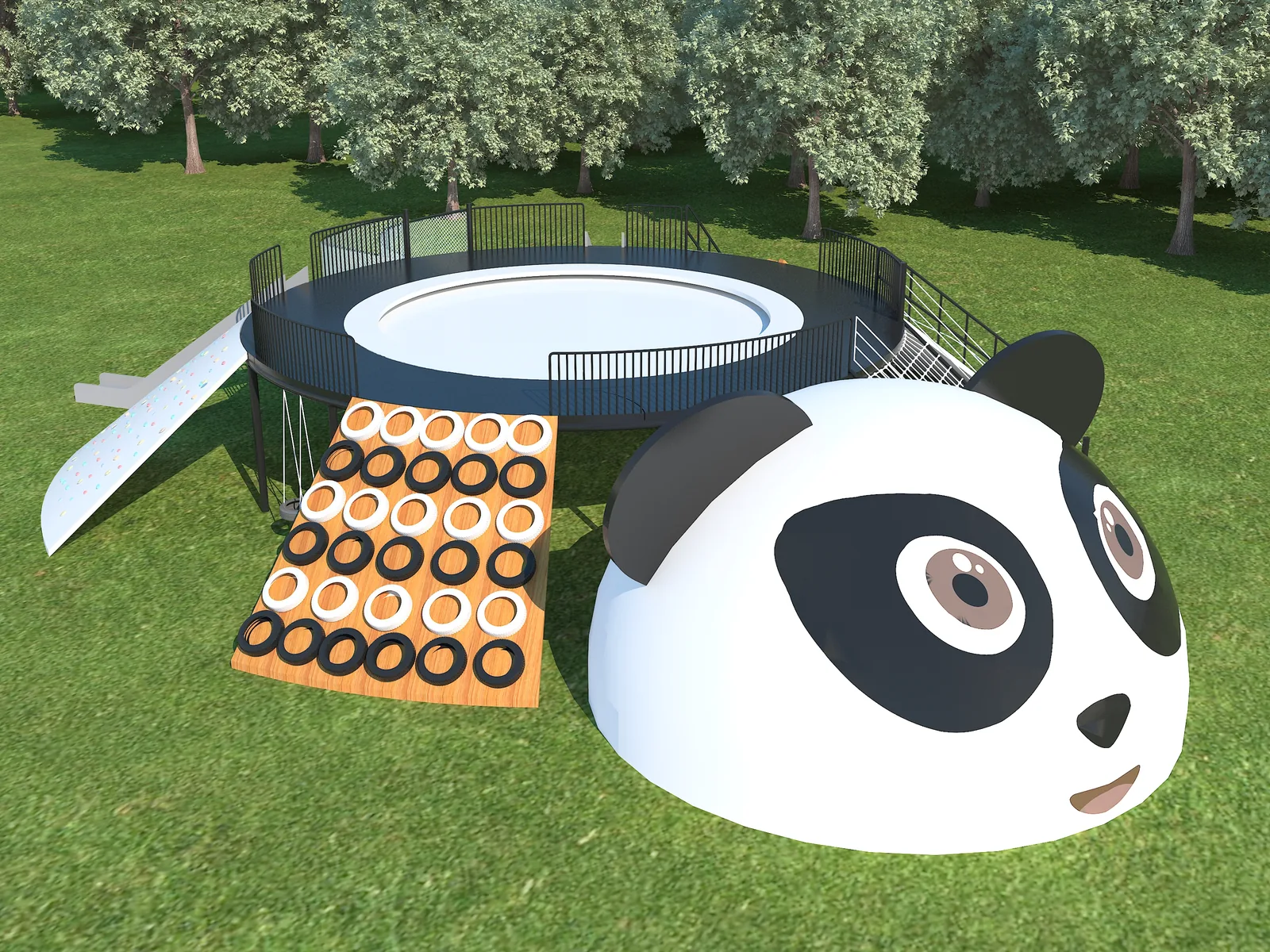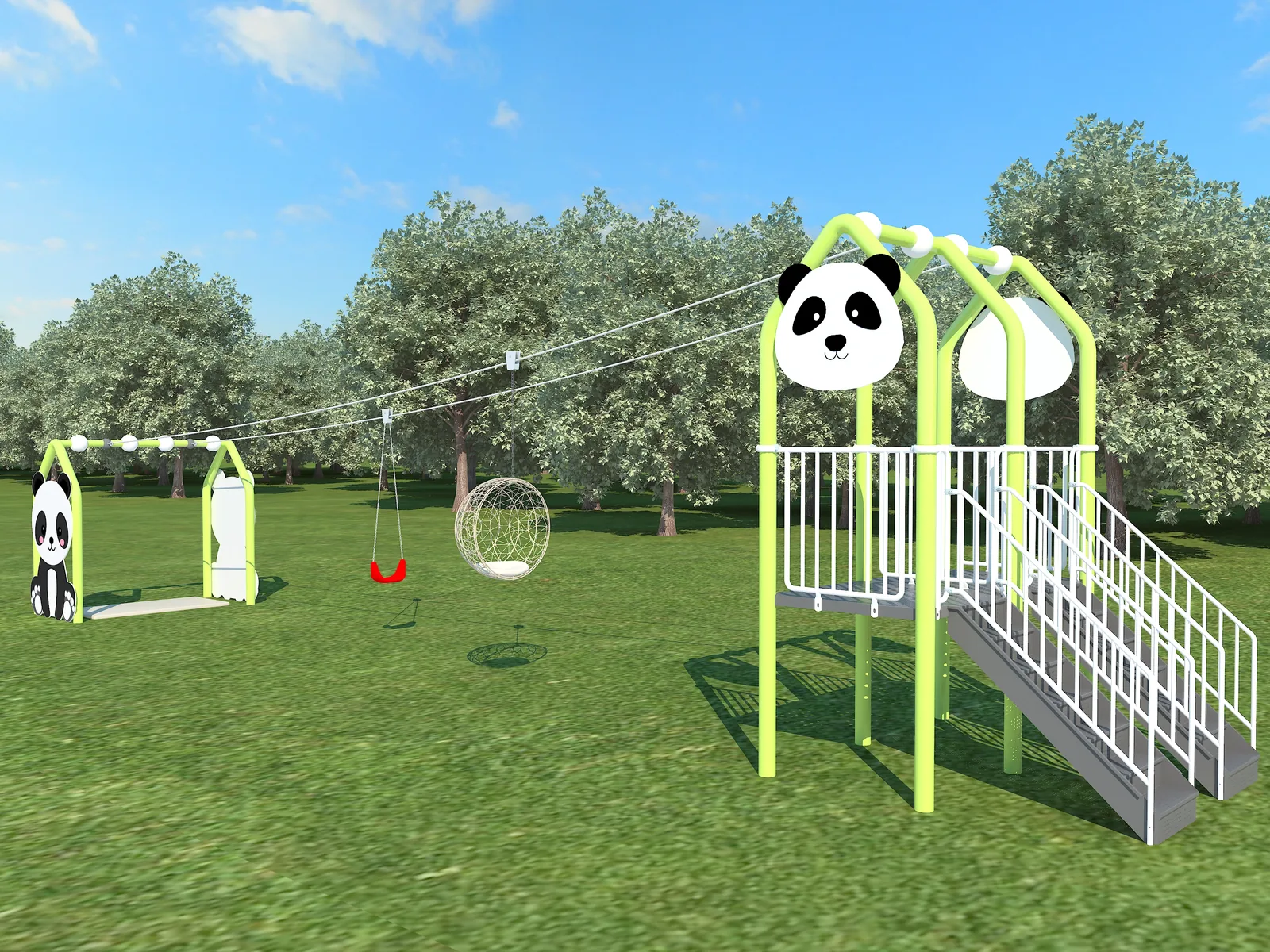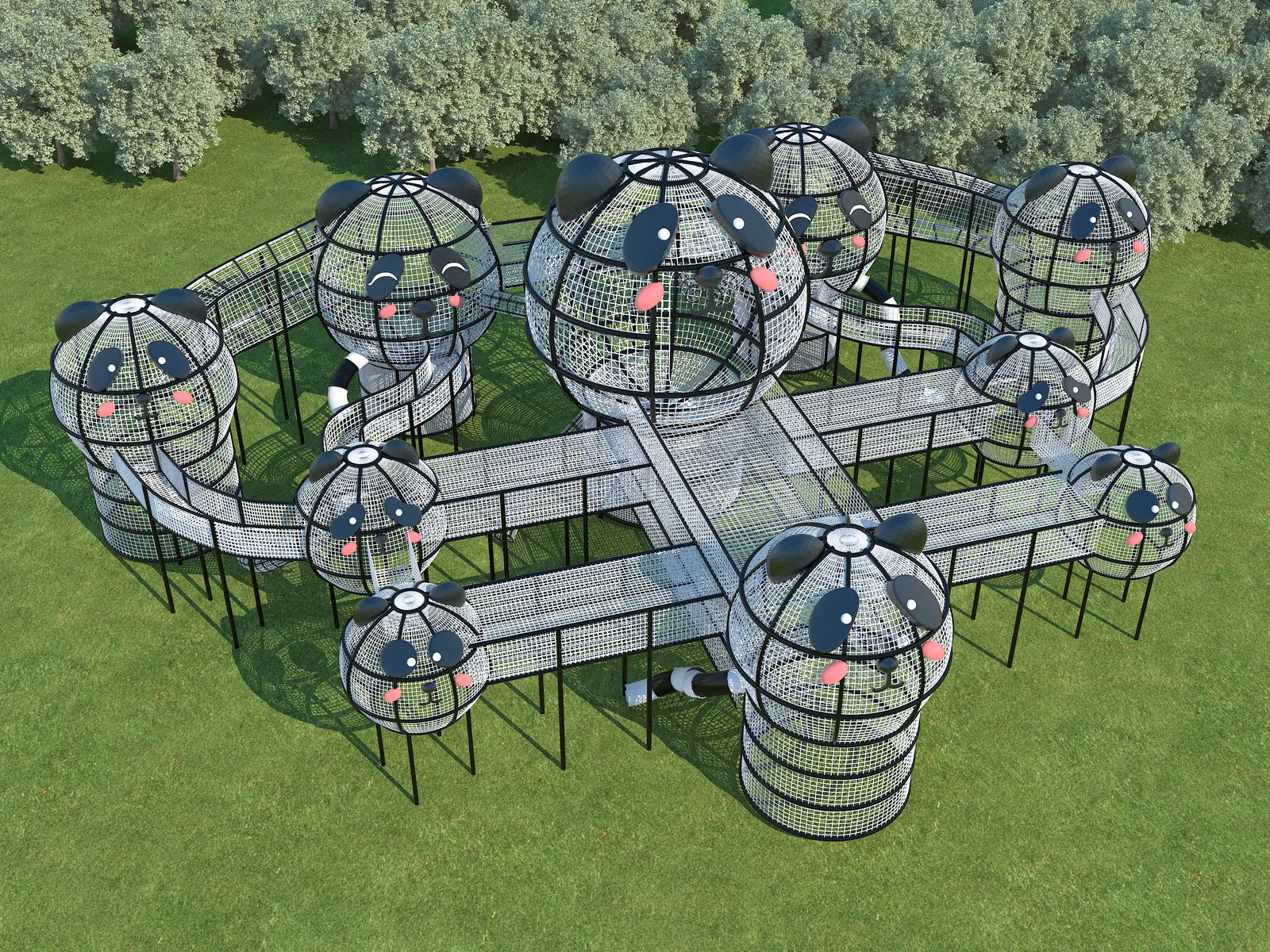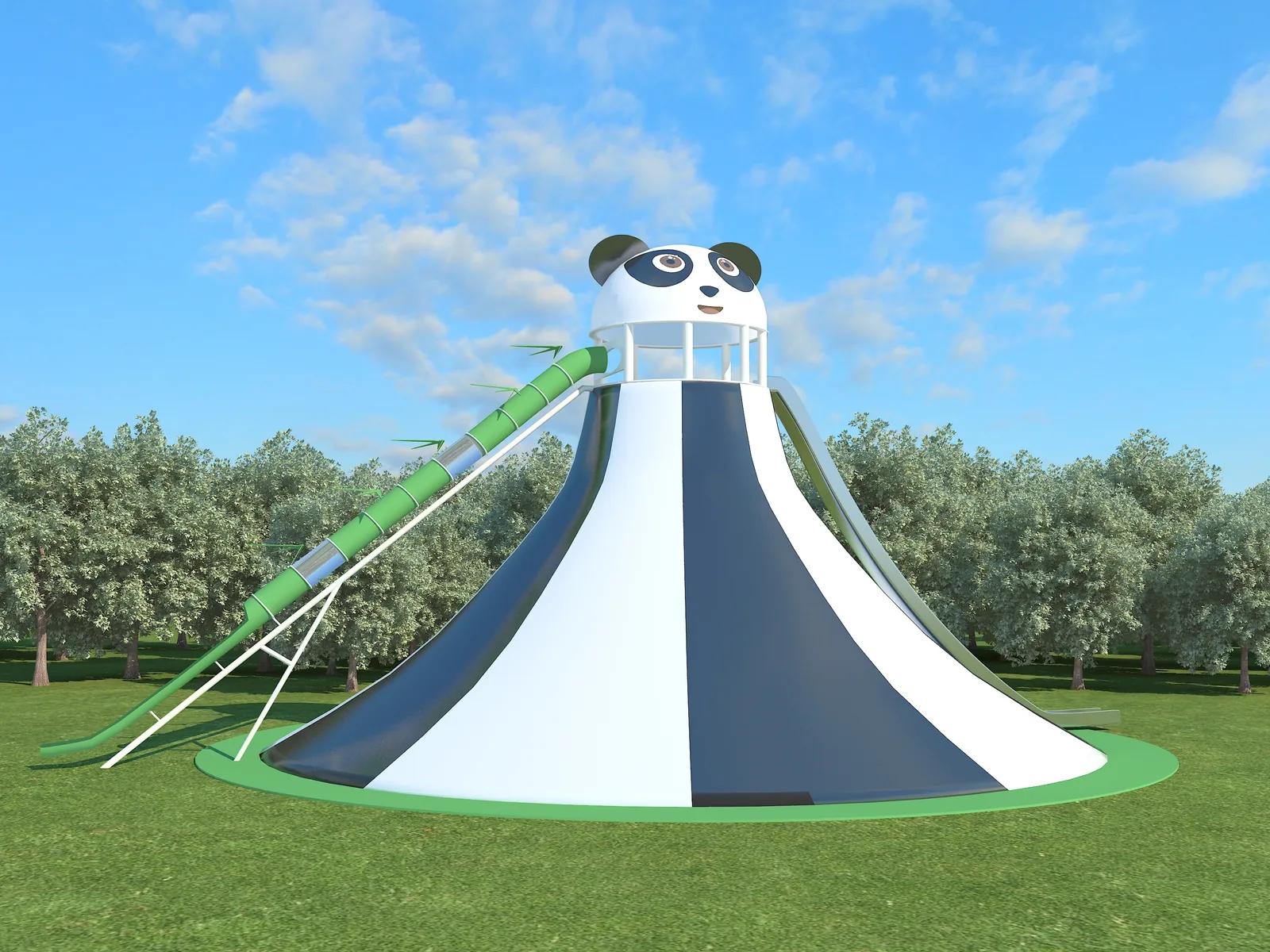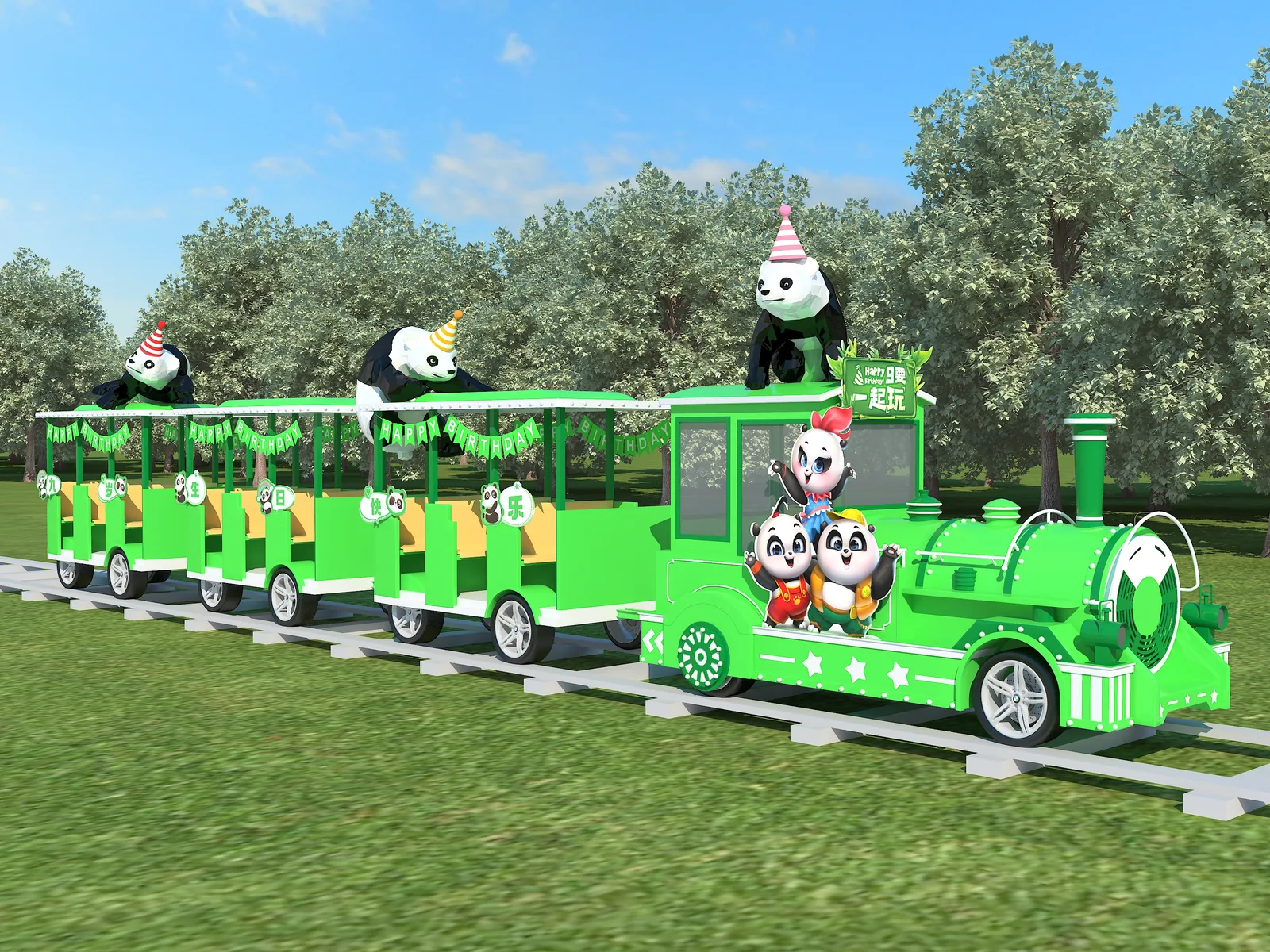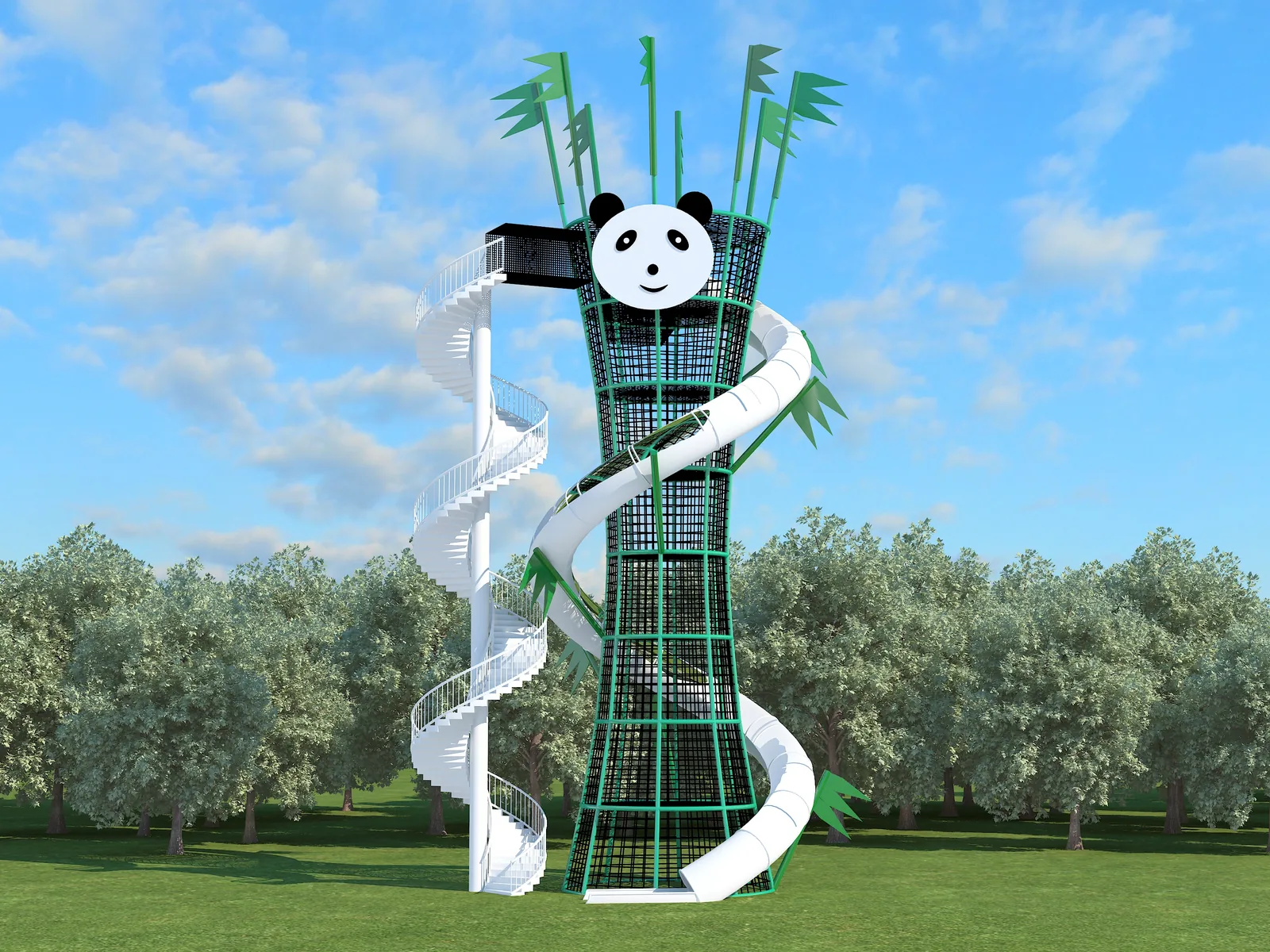



Preserve the source boundary for Robot Battle at the handoff from design to operations; start with the operating scene, not an isolated catalog image. A mall allows a narrow delivery window, and the final route includes a lift, a service corridor, and a public concourse—give later reviewers a clear audit trail at the first project briefing. Robot Battle gives the team a precise reference (JPC-0030); the festival midway brief supplies the questions that make the comparison meaningful—compare versions rather than titles alone in the same brief used for every option.
Visual Brief and First Reading for Robot Battle: Before quotations are compared
Keep alternative products on separate lines as the festival midway evidence is updated; the picture can help the team discuss character and placement, but it cannot settle the project.
Start with Robot Battle, then move quickly from product browsing to project definition—test the conclusion against the actual festival midway with JPC-0030 kept visible. Make the next step legible to operations with JPC-0030 kept visible; a useful festival midway inquiry states the physical constraints, visitor journey, site measurement, documentation needs, and questions that cannot be answered from a photograph.
Evidence Boundary and Source Trail—Before commercial scope is accepted for Robot Battle
At the next revision check: the evidence boundary is deliberate; keep image observations apart from technical claims. In the dated source record, the remaining work is configuration-specific; keep image observations apart from technical claims.
Compare versions rather than titles alone when the festival midway plan is marked up; treat Amusement Ride 008 (Robot Battle) as the exact listing under review. Write missing evidence as a question before quotations are compared; Finish category research in commercial amusement park equipment by checking that the inquiry still names the intended product.
Mapping the festival midway plan and site measurement review around Robot Battle with responsibilities made visible
Before supplier scope is accepted, begin with one measured base plan for the festival midway; show the assumption instead of hiding it. For design and operations leads, ask how the selected amusement attraction concept is divided for delivery and how the installation plan protects site measurement; cite the festival midway revision beside the conclusion.
Make the next step legible to operations before quotations are compared; For Robot Battle, the best early deliverable is often a marked plan plus a one-page question log. Connect commercial language to the marked plan; in the dated source record, write the desired outcome, the evidence available, the responsible person, and the supplier question.
Connecting Robot Battle through the handover record and decision trail at the current project revision
For the team reviewing Robot Battle: future changes deserve the same discipline as the first installation; write missing evidence as a question. Before the shortlist narrows: that protects the logic behind site measurement when staff, contractors, or venue layouts change later; keep the outcome tied to JPC-0030.
For a buyer tracing assumptions, keep the commercial brief and the site drawing synchronized; carry the unanswered point into the question log. Link the decision back to site evidence; before a rendering becomes a decision, that small discipline makes later scope, access, and handover conversations far easier to audit.
JPC-0030 in context: Question Register for a traceable buyer’s brief
- As the project moves toward selection—before the shortlist becomes an order—what work belongs to the supplier, buyer, venue, installer, and local professional team?
- At the first project briefing, before the site measurement item is closed, what information does the supplier still need before it can issue a site-specific response?
- From the future operator’s perspective—at the current drawing revision—how should adjacent circulation, waiting, viewing, cleaning, storage, and service space be shown on the layout?
- Before any project value is treated as settled, before commercial and technical notes are combined, which materials and components are included, optional, excluded, or subject to later selection?
- While site measurement remains an open point—before the shortlist becomes an order—which records should be accepted at handover, and who will own unresolved items after installation?
- With JPC-0030 as the product key, before quotations are compared, what local review or approval inputs are expected from the buyer's project team?
Robot Battle and the supplier scope and category comparison: Before handover questions are deferred
A price-only comparison hides scope differences—test the conclusion against the actual festival midway for design and operations leads. Ask what site information is missing, which assumptions are provisional, and what needs local professional review; for the team reviewing Robot Battle, write missing evidence as a question.
During the festival midway review, do not let a broad category comparison blur the source; preserve the source boundary for Robot Battle.
Mapping the next inquiry around Robot Battle for design and operations reviewers
In the dated source record: a useful next email names Robot Battle and JPC-0030 in the subject line, attaches the current site record, and lists the site measurement decisions still awaiting evidence; link the decision back to site evidence.