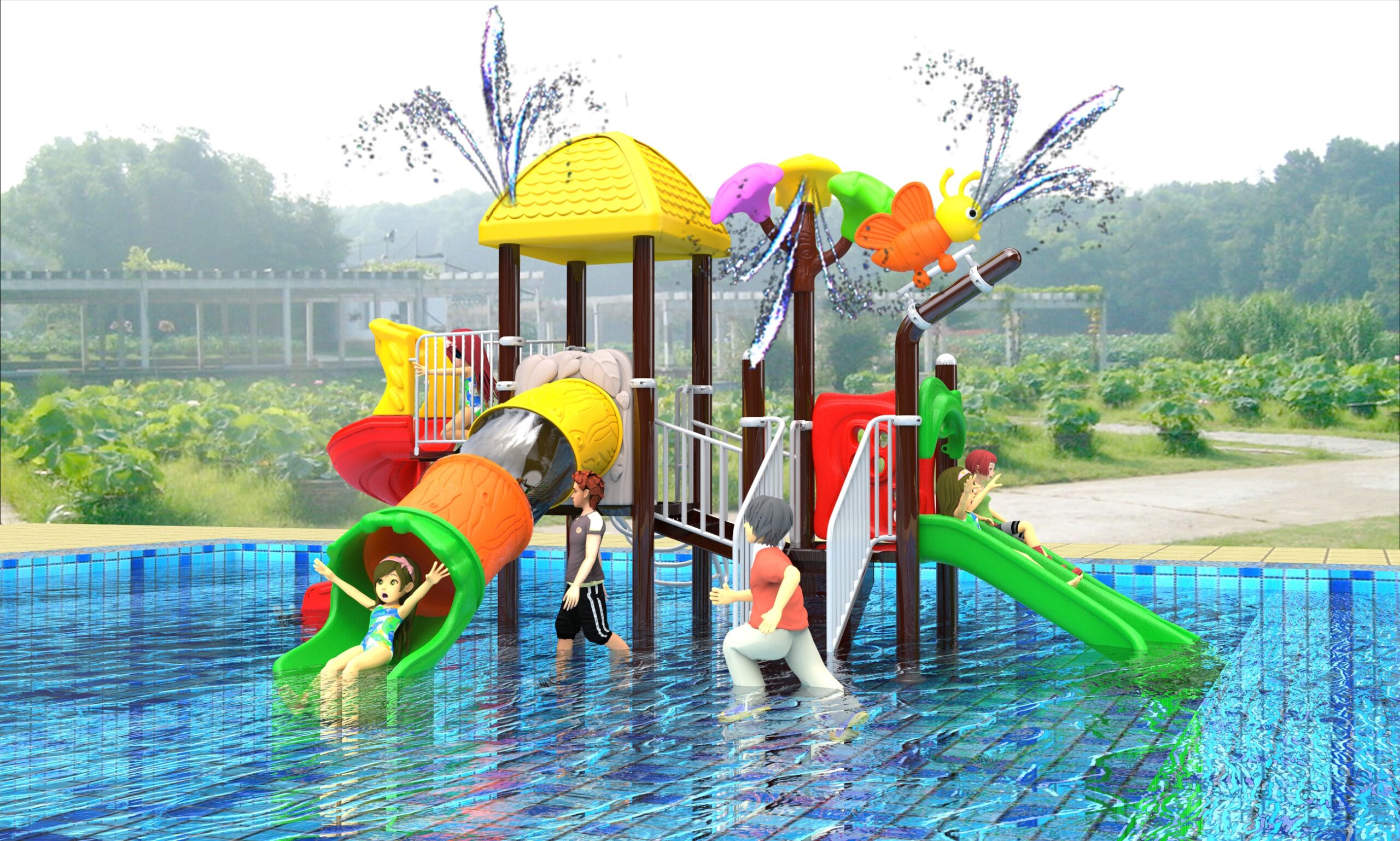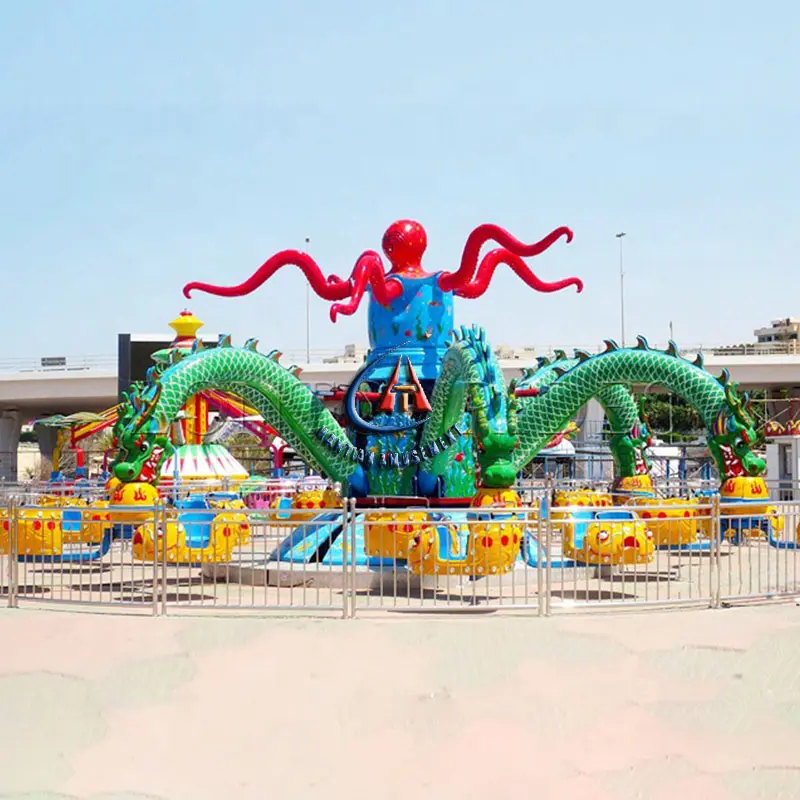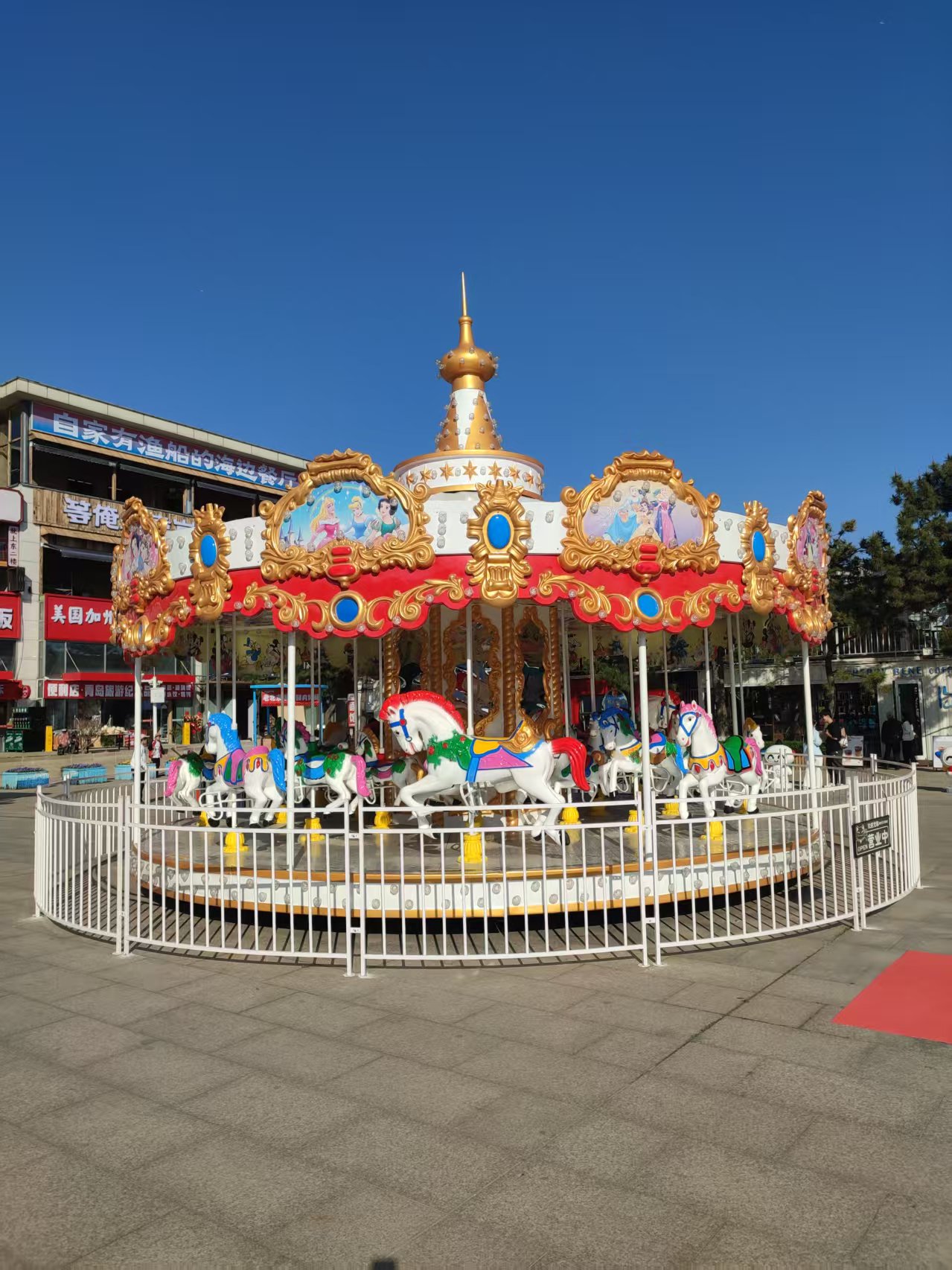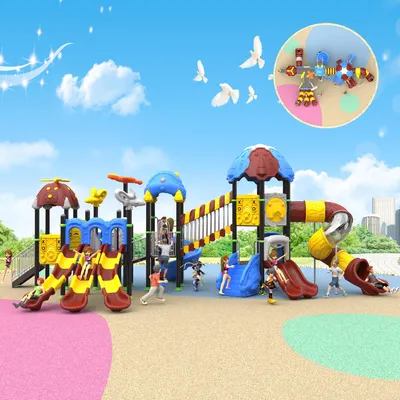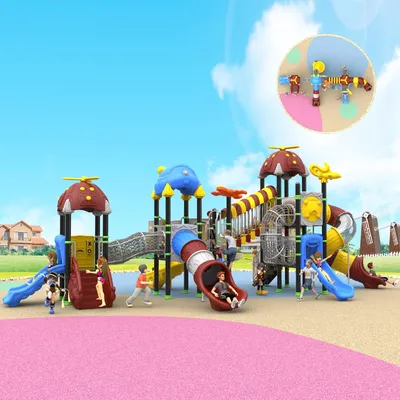


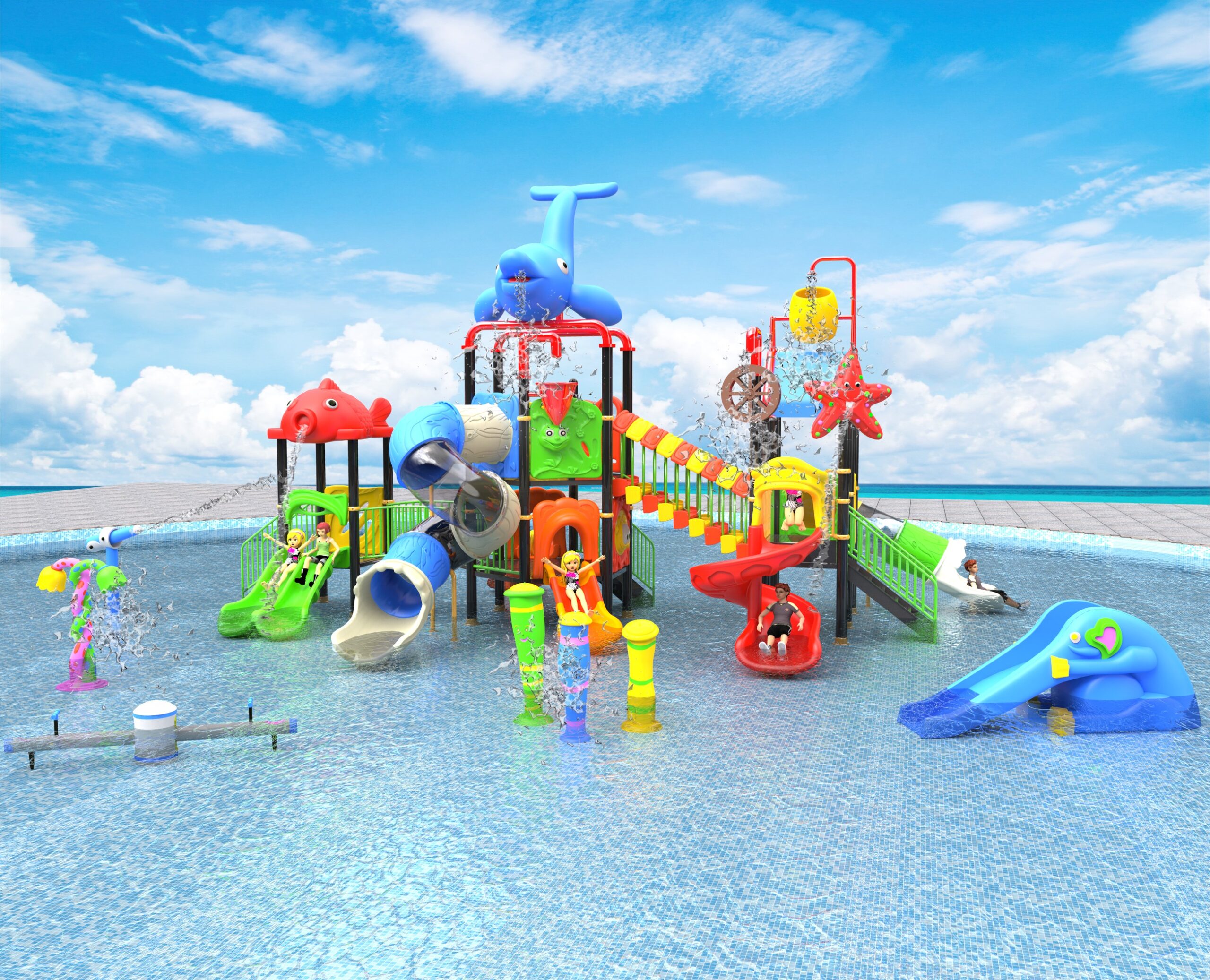
The C26 outdoor play structure needs a site-first brief that connects its slide-and-climbing functions to circulation, supervision and installation realities. The best time to find a playground constraint is while it is still a line on a site plan. Drainage, slopes, utilities, tree roots, service access and the relationship to classrooms or guest rooms can all affect whether a play structure fits comfortably. The C26 listing describes a customizable commercial outdoor play structure with sliding, climbing, crawling, balancing and interactive play, making it a useful model around which to explain a site-first process.
There is an important catalog nuance: C26 is grouped under a Water Slide category in the normalized export, yet its title, short description and detailed specification describe a park-style outdoor play structure, and no aquatic or hydraulic requirements are supplied. This article therefore treats it as dry-play equipment. A buyer considering wet use should pause and obtain explicit written confirmation and technical information rather than relying on the category label.
A project story: from empty space to purposeful play
Imagine a campus with two candidate locations. The school option is close to classrooms but crosses a busy dismissal route; the resort option has more open space but slopes toward guest villas. A colorful C26 structure could suit either context visually. The responsible choice depends on how users approach, where caregivers or teachers stand, how noise and activity relate to neighbors, and whether site levels support the final plan.
In a hypothetical layout, the structure is oriented so the most active slide exits face an internal play zone rather than the main path. A visible gathering point sits near the entrance, and the service route reaches the structure without cutting through play. Shade and seating are considered outside required clearances. These decisions come from the site and operating model, not from a catalog rendering.
What the product data actually establishes
The following snapshot is limited to information supplied in the source catalog for this product. It is a useful briefing reference, not a substitute for the final quotation, technical drawings, manuals or local professional review.
- Product type in description: Commercial outdoor play structure
- Materials: Galvanized steel, engineering plastic and PE components
- Listed age range: 3–12 years
- Functions: Sliding, climbing, crawling, balancing and interactive play
- Layout: Customized to the project
Before relying on any figure, ask the supplier to connect it to the exact configuration being quoted. Custom colors, modules, dimensions or options can change the project interfaces. Keeping the approved product schedule, drawings and operating documents together also helps designers, installers and the future operations team work from the same information.
Plan the experience before fixing the layout
Commission a survey before fixing the design. Record boundaries, levels, overhead and underground services, drainage, existing surfaces, trees, access width and nearby uses. Add all required equipment and use-zone clearances from the final technical package. Because size is listed as customized, the approved plan should identify every platform, slide, bridge, climb and activity panel, along with their relationship to the surveyed base.
Plan movement for both children and adults. Children may circulate between open and tube slides, platforms and bridges; adults need a clear approach, viewing positions and a direct route to assist when appropriate. Schools may prioritize class gathering and controlled entry, while resorts may prioritize visibility from a family seating area. The same equipment can require a different layout because supervision and arrival patterns differ.
Buyer questions that improve the project brief
A useful inquiry explains the site and intended operation instead of asking only for a price. Send measurements, photographs, user groups, preferred activities, opening context and known constraints. Then use the answers below as documented decision points. Any limit or technical requirement should come from the final product package and the professionals responsible for the actual site.
- Confirm in writing whether the proposed C26 is intended for dry play, wet play or another configuration.
- Request exact dimensions, elevations, clearances, foundations and component schedule for the quoted layout.
- Verify listed materials and obtain finish and maintenance information for the local climate.
- Ask how age guidance and user limits are established for the final combination of modules.
- Coordinate surfacing, drainage, accessibility, utilities and landscape with qualified local professionals.
- Define delivery, installation, testing, training and handover-document responsibilities.
Installation, handover and everyday operation
Site installation needs a sequencing plan. Complete earthwork, drainage, foundations and service coordination to the approved information, while maintaining access for delivery and assembly. Protect finished components from other trades and confirm who verifies the installed layout. If wet use is ever proposed, a separate aquatic design scope would be necessary because the available product data does not provide one.
After opening, inspect the approach and ground conditions as well as the equipment. Follow the manufacturer’s procedures for structural components, platforms, connections, slides and activity elements. Keep drainage paths clear and record damage, closures and repairs. School and resort operators should assign ownership clearly across shifts or departments so maintenance observations do not disappear between teams.
Keep a controlled record of revisions from first concept through handover. At completion, reconcile the installed equipment with the approved component schedule and collect the documents, training records and contact routes that the operating team will need. This is also the right time to confirm which changes require supplier input rather than an improvised local modification.
For broader project research, explore our commercial outdoor play structures collection and the related outdoor playground planning guide.
Frequently asked questions
Is C26 a water slide?
The export category includes Water Slide, but the supplied title and description call C26 a commercial outdoor play structure and list no water-system data. Confirm intended use directly before specifying it.
What are the exact dimensions?
The listing says size is customized according to the project and supplies no fixed dimensions. A dimensioned proposal tied to a survey is required.
Which ages is it listed for?
The catalog states 3–12 years. The final design should still define appropriate modules, user guidance and operating rules with qualified review.
Can colors and modules be changed?
Custom color, size, layout and combinations of slides, climbing, bridges and panels are listed. Record the final component schedule in the approved documents.
Discuss the exact product for your site
Review the exact C26 product page, then ask Joy Playgrounds to confirm intended dry or wet use and prepare a dimensioned proposal from your surveyed school or resort site. View Outdoor Playground Slide C26.